
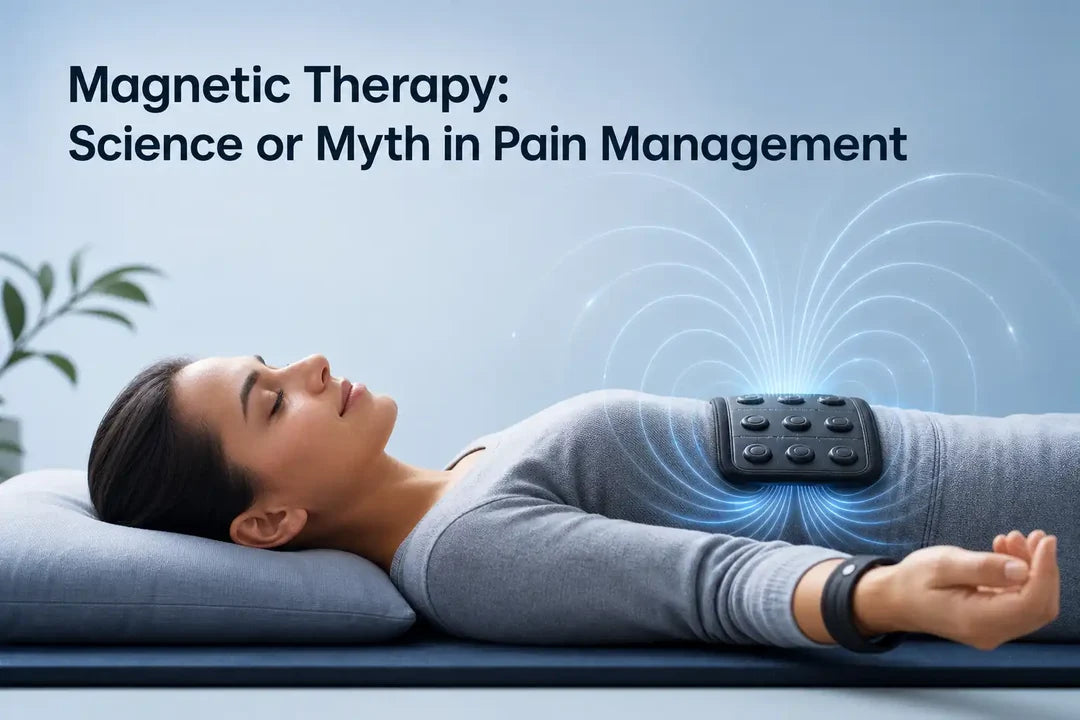
Overview
If you're considering alternative pain management options, magnetic therapy may be on your radar. This non-invasive approach uses magnets to potentially alleviate discomfort from various conditions, appealing to those seeking holistic solutions. Understanding its claims, the science behind it, and how it compares to conventional treatments can help you make informed choices regarding your health and wellness journey.
Table of Contents
- Introduction to Magnetic Therapy
- Definition of Magnetic Therapy
- Historical Context and Rise in Alternative Medicine
- Common Claims Associated with Magnetic Therapy
- Marketing of Magnetic Therapy
- The Science Behind Magnetic Therapy
- Overview of Studies Conducted on Magnetic Therapy
- Discussion of Biological Mechanisms Proposed
- Critique of the Scientific Validity of Claims
- Checklist for Evaluating Scientific Studies
- Magnetic Therapy vs. Conventional Treatments
- Overview of Conventional Pain Relief Methods
- Benefits and Drawbacks of Each Approach
- Situations Where Magnetic Therapy Might Be Considered
- User Experiences and Anecdotal Evidence
- Importance of Anecdotal Evidence in Alternative Therapies
- Common Themes in User Experiences
- Limitations of Relying Solely on Personal Testimonials
- Practical Applications of Magnetic Therapy
- Common Devices and Methods Used in Magnetic Therapy
- Guidelines for Safe Use
- Potential Integration with Other Treatments
- Is Magnetic Therapy Worth It?
- Recap of Scientific Findings
- Final Thoughts on the Efficacy of Magnetic Therapy
- Encouragement to Consult Healthcare Providers
Key Takeaways
- Magnetic therapy is an alternative treatment that uses magnetic fields to alleviate pain and promote healing.
- Historical roots trace back to ancient civilizations, with modern resurgence linked to the growing popularity of alternative medicine.
- Common claims include pain reduction, improved circulation, and stress relief, though scientific support is limited.
- Many studies on magnetic therapy have methodological limitations, making it difficult to draw definitive conclusions about its efficacy.
- Consultation with a healthcare provider is essential before starting magnetic therapy, especially for those with existing health conditions.
- Magnetic therapy can be considered as a complementary approach alongside conventional treatments for pain management.
- Individual experiences with magnetic therapy can vary widely, and reliance solely on anecdotal evidence may be misleading.
Introduction to Magnetic Therapy
Magnetic therapy has gained traction as an alternative treatment for various ailments, particularly in pain management. This therapy utilizes magnets and magnetic fields to alleviate discomfort, with proponents claiming it can help with conditions ranging from arthritis to fibromyalgia. But what exactly is magnetic therapy, and why has it become so popular?
Definition of Magnetic Therapy
At its core, magnetic therapy involves the application of magnetic fields to the body. This can be achieved through various devices such as magnetic bracelets, pads, or specialized beds. Advocates suggest that these magnetic fields can influence bodily functions, potentially offering pain relief and promoting overall health.
Historical Context and Rise in Alternative Medicine
The roots of magnetic therapy can be traced back to ancient civilizations. Egyptians and Greeks used magnets for healing purposes, believing in their ability to balance energies within the body. Fast forward to the 21st century, and magnetic therapy has resurfaced as part of the growing trend towards alternative medicine, appealing to those seeking non-invasive and holistic approaches to health.
Common Claims Associated with Magnetic Therapy
Supporters of magnetic therapy often cite several key benefits, including:
- Reduction in pain and inflammation
- Improved circulation
- Enhanced healing processes
- Stress relief and relaxation
These claims have led many to explore magnetic therapy as a viable option for pain management, particularly when traditional methods have failed to provide adequate relief.
Marketing of Magnetic Therapy
The marketing of magnetic therapy is often centered around personal testimonials and anecdotal evidence. Advertisements frequently highlight miraculous recovery stories, which can be compelling yet misleading. It's essential for consumers to approach these claims critically and seek scientific validation before committing to such treatments.
The Science Behind Magnetic Therapy
The scientific community has approached magnetic therapy with a mix of curiosity and skepticism. While some studies suggest potential benefits, the overall body of research remains inconclusive. Understanding the science is crucial for anyone considering this therapy.
Overview of Studies Conducted on Magnetic Therapy
Numerous studies have explored the effects of magnetic therapy on pain relief. Some small-scale trials have indicated positive outcomes, particularly for conditions like osteoarthritis and chronic pain. However, many of these studies have limitations, such as small sample sizes and lack of rigorous controls, making it challenging to draw definitive conclusions.
Discussion of Biological Mechanisms Proposed
Proponents of magnetic therapy suggest several biological mechanisms through which magnets may exert their effects. These include:
- Increased Blood Flow: Magnets may improve circulation, leading to enhanced oxygen and nutrient delivery to tissues.
- Cellular Interaction: Some theories propose that magnetic fields influence cell behavior, potentially aiding in healing processes.
- Pain Modulation: There is speculation that magnetic fields may alter pain perception by affecting nerve signals.
While these theories are intriguing, they require further investigation to establish their validity and practical application.
Critique of the Scientific Validity of Claims
Despite the appealing claims surrounding magnetic therapy, it's vital to apply a critical lens to the available research. Many studies lack robust methodologies and fail to provide reproducible results. As a result, while some individuals may experience relief, it could be attributed to the placebo effect rather than the magnetic fields themselves.
Checklist for Evaluating Scientific Studies
To assess the credibility of studies on magnetic therapy, consider the following criteria:
- Sample Size: Are there enough participants to support the findings?
- Control Groups: Does the study compare results against a placebo or standard treatment?
- Peer Review: Has the research been published in a reputable, peer-reviewed journal?
- Reproducibility: Can the results be replicated in other studies?
By applying this checklist, individuals can better navigate the often murky waters of alternative therapies and make informed decisions regarding their pain management strategies.
Magnetic Therapy vs. Conventional Treatments
When considering pain management options, many individuals are faced with a multitude of therapies, including magnetic therapy and traditional methods. Understanding the strengths and weaknesses of each can help you make an informed decision tailored to your specific needs.
Overview of Conventional Pain Relief Methods
Conventional pain relief methods typically include:
- Over-the-Counter Medications: Nonsteroidal anti-inflammatory drugs (NSAIDs) like ibuprofen and acetaminophen are commonly used for mild to moderate pain relief.
- Prescription Medications: For more severe pain, doctors may prescribe opioids or other stronger analgesics.
- Physical Therapy: This includes exercises and modalities like ultrasound or electrical stimulation to alleviate pain and improve function.
- Injections: Corticosteroid injections or nerve blocks can provide temporary relief for specific pain conditions.
- Surgery: In some cases, surgical intervention may be necessary to address the underlying cause of pain.
Benefits and Drawbacks of Each Approach
Both magnetic therapy and conventional treatments have their pros and cons. Here’s a comparative look:
| Method | Benefits | Drawbacks |
|---|---|---|
| Conventional Treatments |
|
|
| Magnetic Therapy |
|
|
Situations Where Magnetic Therapy Might Be Considered
While magnetic therapy may not be a first-line treatment, it can be considered in specific situations:
- For individuals seeking alternative therapies after unsuccessful traditional treatments.
- As a complementary approach alongside conventional therapies.
- For those who prefer non-invasive options with minimal side effects.
Ultimately, the choice between magnetic therapy and conventional treatments should be made based on personal circumstances and in consultation with a healthcare provider. A decision rule to guide you could include:
- If your pain is acute and severe, consider conventional treatments first.
- If you have chronic pain and want to explore alternatives, magnetic therapy may be worth trying.
- Always discuss with your healthcare provider before switching or combining therapies.
User Experiences and Anecdotal Evidence
The experiences of individuals who have tried magnetic therapy provide insights into its perceived effectiveness. Anecdotal evidence plays a substantial role in the realm of alternative therapies, including magnetic therapy.
Importance of Anecdotal Evidence in Alternative Therapies
Anecdotal evidence can offer valuable perspectives, especially when scientific research is limited. Many users report positive experiences with magnetic therapy, citing benefits such as:
- Reduced pain levels.
- Improved mobility.
- Enhanced overall well-being.
However, it is essential to remember that these experiences can be subjective and influenced by various factors, including:
- Placebo effects.
- Individual pain thresholds.
- Other concurrent treatments.
Common Themes in User Experiences
While anecdotal evidence is subjective, certain themes often emerge from user testimonials:
- Many users appreciate the non-invasive nature of magnetic therapy.
- Some report a gradual improvement over time rather than immediate relief.
- Positive experiences are frequently shared in online forums and health communities.
Limitations of Relying Solely on Personal Testimonials
Despite the allure of personal stories, relying solely on anecdotal evidence presents challenges:
- Testimonials may not represent the general population.
- Without scientific backing, claims can be misleading.
- Individual experiences may not be replicable for everyone.
For a more balanced evaluation, consider comparing anecdotal evidence with scientific research. While personal experiences can guide your choices, they should not replace professional medical advice or evidence-based practices.
As you explore pain management options, including the use of affordable medical equipment like Medline Lidocaine Patches, it's crucial to weigh both anecdotal and scientific evidence to find the best approach for your situation.
Practical Applications of Magnetic Therapy
Magnetic therapy has gained traction in recent years as an alternative approach to pain management. This section explores how magnetic therapy is applied in everyday scenarios, the common devices used, guidelines for safe practices, and how it can be integrated with other treatments.
Common Devices and Methods Used in Magnetic Therapy
Magnetic therapy is utilized through various devices designed to promote healing and alleviate pain. Here are some of the most common methods:
- Magnetic Mats: Often used at home, these mats contain multiple magnets that are believed to help relieve discomfort in larger areas of the body.
- Magnetic Bracelets: Worn around the wrist, these bracelets are marketed to improve circulation and reduce pain, particularly in the joints.
- Magnetic Pads: These pads can be placed on specific areas of the body, such as the back or neck, to target localized pain.
- Magnetic Insoles: Designed for footwear, these insoles aim to provide magnetic stimulation to the feet, potentially improving overall well-being.
Guidelines for Safe Use
While many individuals explore magnetic therapy, it’s essential to follow certain guidelines to ensure safety and effectiveness:
- Consult a Healthcare Provider: Before starting any magnetic therapy, discuss it with your healthcare provider, especially if you have underlying health conditions.
- Follow Manufacturer Instructions: Always adhere to the guidelines provided with the magnetic devices to avoid misuse.
- Start Slowly: Begin with shorter sessions to gauge your body's response before extending usage time.
- Monitor Your Symptoms: Keep track of any changes in your condition, both positive and negative, and report them to your healthcare provider.
- Avoid Use with Certain Medical Devices: Individuals with pacemakers, insulin pumps, or other electronic medical devices should avoid magnetic therapy, as it may interfere with device function.
Potential Integration with Other Treatments
Magnetic therapy can be used alongside conventional treatments to enhance overall pain management. Here are some ways it can be integrated:
- Complementing Physical Therapy: Magnetic therapy may be used in conjunction with physical therapy to potentially enhance muscle relaxation and improve recovery times.
- Pairing with Medication: While using products like Medline Lidocaine Patches for targeted pain relief, magnetic therapy can provide additional support for chronic conditions.
- Holistic Approaches: Combining magnetic therapy with other alternative treatments, such as acupuncture or aromatherapy, may yield more comprehensive benefits.
As with any alternative treatment, it’s crucial to evaluate its effectiveness in conjunction with traditional methods. Always consult healthcare professionals to tailor an approach that fits individual needs.
Is Magnetic Therapy Worth It?
In reviewing the applications and efficacy of magnetic therapy, several key points emerge. While the scientific backing remains debated, many individuals report subjective improvements in pain management. Here’s a recap of our findings:
Recap of Scientific Findings
Research on magnetic therapy has produced mixed results. Some studies suggest potential benefits for specific conditions, while others indicate little to no measurable impact. The lack of robust, conclusive evidence means that magnetic therapy should not be viewed as a standalone solution for pain relief but rather as a complementary approach.
Final Thoughts on the Efficacy of Magnetic Therapy
Magnetic therapy can offer a sense of relief for some individuals, particularly those seeking alternative methods for pain management. However, it’s crucial to maintain realistic expectations. The therapy may work for some but not for others, and its effectiveness can vary widely depending on individual circumstances.
Encouragement to Consult Healthcare Providers
Before embarking on a magnetic therapy journey, consider discussing it with a healthcare provider. Here are some questions to ask:
- What is the current research on magnetic therapy for my specific condition?
- Are there any risks associated with using magnetic therapy alongside my current treatments?
- How can I effectively incorporate magnetic therapy into my pain management plan?
- What signs should I watch for that indicate magnetic therapy is not working for me?
- Are there alternative therapies you recommend that might be more effective?
In conclusion, magnetic therapy presents an intriguing option for those exploring alternative pain management strategies. By combining it thoughtfully with advice from healthcare professionals, individuals can make informed decisions that align with their health goals.
Frequently Asked Questions
1. What is magnetic therapy?
2. What conditions can magnetic therapy potentially help with?
3. Is there scientific evidence supporting magnetic therapy?
4. Can I use magnetic therapy alongside conventional treatments?
5. What precautions should I take when using magnetic therapy?
Glossary
| Term | Meaning |
|---|---|
| Magnetic Therapy | A treatment using magnets to alleviate pain and promote health. |
| Anecdotal Evidence | Personal testimonials about treatment effectiveness, lacking scientific support. |
| Placebo Effect | Improvement in condition due to belief in treatment rather than its efficacy. |
| Non-invasive | Methods that do not require surgery or insertion into the body. |
| Peer Review | Evaluation of research by experts in the field before publication. |
| Control Group | A group in a study that does not receive the treatment, used for comparison. |
| Chronic Pain | Long-lasting pain that persists beyond normal healing time. |
| Osteoarthritis | A degenerative joint disease causing pain and stiffness. |
| Magnetic Devices | Tools like bracelets and pads used to deliver magnetic therapy. |
| Holistic Approaches | Treatments considering the whole person, including physical and emotional aspects. |
Linked Product

Medline CURAD Lidocaine Pain Relief Patches
The Medline CURAD Lidocaine Pain Relief Patches provide targeted, temporary relief for pain in areas such as the back, neck, shoulders, knees, and elbows. Each patch is individually packaged for easy, no-mess application, and can deliver relief for up to 8 hours while remaining securely in place during movement. These patches contain 4% lidocaine and are FSA/HSA eligible.
View Product