
Overview
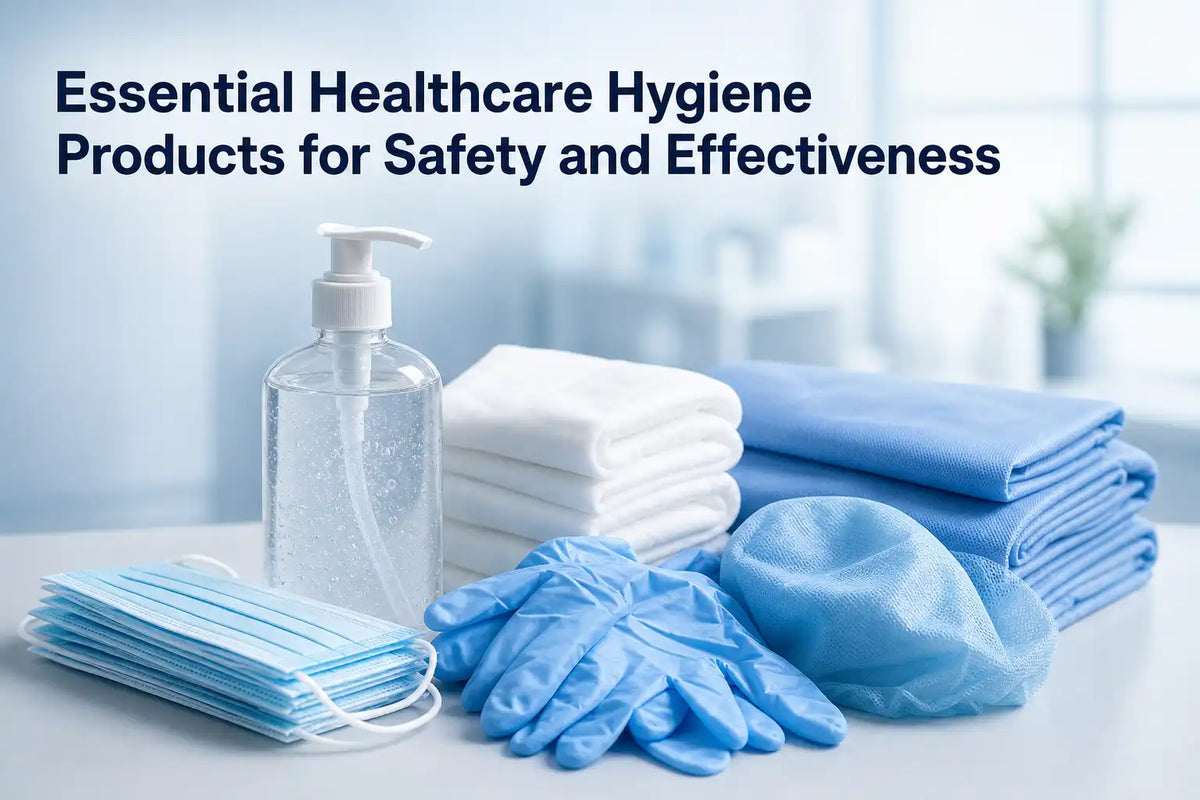
This article provides a comprehensive overview of healthcare hygiene products, highlighting their crucial role in infection prevention and safety in various environments. Readers will learn about different categories of hygiene products, including hand sanitizers, disposable gloves, and surgical drapes, along with guidance on selecting the right solutions for effective health monitoring and hygiene practices. By understanding these essentials, both healthcare professionals and consumers can contribute to a safer, healthier environment.
Table of Contents
- Understanding Healthcare Hygiene Products
- Importance in Preventing Infections
- Categories of Products Available
- Choosing the Right Hand Hygiene Solutions
- Types of Hand Hygiene Products
- Benefits of Antibacterial Foaming Hand Soap
- Considerations for Selecting Dispensers
- The Role of Disposable Gloves in Safety
- Types of Disposable Gloves and Their Uses
- How Gloves Prevent Cross-Contamination
- Best Practices for Glove Usage
- Surgical Drapes: Ensuring Sterility in Procedures
- What Surgical Drapes Are and Their Purpose
- Features of High-Quality Surgical Drapes
- Guidelines for Selecting and Using Surgical Drapes Effectively
- Innovative Dispenser Solutions for Hygiene Products
- Types of Dispensers Available
- Advantages of Using the Medline Foaming Manual Push Dispenser
- Installation and Maintenance Checklist for Dispensers
- Monitoring Health: The Role of Diagnostic Tools
- Overview of Diagnostic Test Kits, Digital Thermometers, and Blood Pressure Monitors
- Importance of Regular Health Monitoring
- How to Choose the Right Diagnostic Tools
Key Takeaways
- Healthcare hygiene products are essential for preventing infections and maintaining safety in various environments, including hospitals and home care settings.
- Hand hygiene solutions such as soaps, sanitizers, and dispensers are critical in minimizing the risk of cross-contamination and pathogen spread.
- Disposable gloves serve as a barrier to protect healthcare providers and patients, with different types suited for specific tasks.
- Surgical drapes are vital for maintaining a sterile environment during procedures, ensuring patient safety and reducing infection risks.
- Innovative dispensers enhance compliance with hygiene protocols by streamlining the distribution of soaps and sanitizers.
- Regular health monitoring using diagnostic tools like digital thermometers and blood pressure monitors is crucial for early detection of health issues.
- Choosing the right products tailored to specific healthcare needs is essential for effective infection control and hygiene maintenance.
Comparison at a Glance
| Option | Best for | Strengths | Trade-offs |
|---|---|---|---|
| Medline Foaming Manual Push Dispenser | Controlled dispensing in busy healthcare environments | Reliability, user-friendly design, easy maintenance | Requires manual operation, may need frequent refilling |
| Medline Skintegrity Bag-in-Box Dispensers | High-traffic areas requiring bulk product distribution | Cost-effective, reduces product waste | Initial installation may be complex, limited to specific product types |
| Medline Spectrum Antibacterial Foaming Hand Soap | Healthcare settings needing effective hand hygiene | Antibacterial properties, thorough coverage | May require specific dispensers, potential for skin irritation |
| Medline Sterile Laparoscopy Surgical Drapes | Surgical procedures requiring a sterile environment | Effective barrier against contamination, ensures patient safety | Must be handled with sterile techniques, can be costly |
Healthcare hygiene products are vital in preventing infections and ensuring safety across various settings, from hospitals to home care. Understanding their significance and the appropriate options available empowers both healthcare professionals and consumers to maintain a safe environment. This guide explores essential categories of hygiene products and provides actionable insights on choosing the right solutions, emphasizing their importance in promoting health and safety.
Understanding Healthcare Hygiene Products
Healthcare hygiene products are specifically designed to prevent the spread of infections and maintain cleanliness in medical environments. They encompass a variety of items, including hand sanitizers, foaming soaps, dispensers, surgical drapes, and personal protective equipment (PPE). The significance of these products cannot be overstated, as they are instrumental in protecting both healthcare providers and patients.

Importance in Preventing Infections
Infection control is a primary concern in healthcare settings. The proper use of hygiene products minimizes the risk of cross-contamination and the spread of pathogens. For instance, effective hand hygiene solutions can significantly reduce the transmission of bacteria and viruses, particularly in high-risk environments such as hospitals and clinics.
Categories of Products Available
Healthcare hygiene products can be categorized into several key areas:
- Hand Hygiene: Includes soaps, sanitizers, and dispensers.
- Personal Protective Equipment (PPE): Such as disposable gloves and masks.
- Surgical Products: Like sterile drapes and instruments.
- Diagnostic Tools: Including digital thermometers and blood pressure monitors.
These categories encompass a wide range of products designed to enhance safety and hygiene in healthcare settings. For effective infection control, it is essential to choose the right products tailored to specific needs.
Choosing the Right Hand Hygiene Solutions
Hand hygiene is one of the most effective ways to prevent healthcare-associated infections. Selecting the right hand hygiene products can make a significant difference in maintaining cleanliness and safety.
Types of Hand Hygiene Products
Hand hygiene solutions typically fall into three main categories:
- Soaps: Liquid soaps or foaming soaps designed for effective cleaning.
- Sanitizers: Alcohol-based solutions that reduce the number of germs on the skin.
- Dispensers: Devices that provide easy access to soaps and sanitizers.
Benefits of Antibacterial Foaming Hand Soap
The Medline Spectrum Antibacterial Foaming Hand Soap is an excellent choice for healthcare environments. Its foaming action ensures thorough coverage, and the antibacterial properties help eliminate harmful bacteria effectively. This soap is particularly beneficial in settings where hand hygiene compliance is critical.

Considerations for Selecting Dispensers
When choosing dispensers for hand hygiene products, consider the following factors:
- Ease of use: Ensure that the dispenser is user-friendly.
- Compatibility: Check if it fits the specific soap or sanitizer being used.
- Maintenance: Look for dispensers that are easy to refill and clean.
By prioritizing effective hand hygiene solutions, healthcare professionals and consumers can significantly enhance safety and contribute to a healthier environment.
The Role of Disposable Gloves in Safety
Disposable gloves are essential in healthcare settings, providing a barrier between healthcare professionals and potential contaminants. They prevent cross-contamination during medical procedures, examinations, and when handling potentially infectious materials. Understanding the types, uses, and best practices for disposable gloves can significantly enhance safety and hygiene in any medical environment.
Types of Disposable Gloves and Their Uses
There are several types of disposable gloves available, each suited for specific tasks:
- Latex Gloves: Known for their elasticity and comfort, latex gloves offer a great fit and tactile sensitivity. However, they can cause allergic reactions in some individuals.
- Nitrile Gloves: These gloves are a popular alternative to latex, providing excellent puncture resistance and durability. They are ideal for handling chemicals and are latex-free.
- Vinyl Gloves: Made from synthetic materials, vinyl gloves are generally less expensive and are suitable for low-risk tasks, such as basic patient care and food handling.
Each type of glove has its own benefits, and the choice often depends on the specific healthcare task at hand.
How Gloves Prevent Cross-Contamination
The primary purpose of disposable gloves is to create a barrier that minimizes the risk of infection and cross-contamination. When used correctly, gloves protect both the healthcare provider and the patient, especially during procedures involving blood, bodily fluids, or contact with open wounds. By ensuring that gloves are changed frequently and properly disposed of after each use, healthcare professionals can significantly reduce the risk of transmitting pathogens.
Best Practices for Glove Usage
To maximize the effectiveness of disposable gloves, it's important to follow these best practices:
- Choose the Right Glove: Select gloves based on the task. For instance, use nitrile gloves for procedures involving chemicals and latex gloves for tasks requiring high tactile sensitivity.
- Check for Damage: Before use, inspect gloves for any tears, holes, or defects that could compromise their protective capabilities.
- Change Gloves Regularly: Change gloves between patients and after handling different tasks to avoid cross-contamination.
- Proper Disposal: Dispose of gloves in designated waste containers to prevent contamination in the healthcare environment.
Implementing these practices can enhance the safety of healthcare settings and protect both patients and providers.
Surgical Drapes: Ensuring Sterility in Procedures
Surgical drapes play a crucial role in maintaining a sterile environment during medical procedures. They serve as barriers that protect the surgical field from contamination, thus reducing the risk of infection. Understanding the features and proper usage of surgical drapes is essential for any healthcare professional involved in surgical or invasive procedures.
What Surgical Drapes Are and Their Purpose
Surgical drapes are sterile sheets used to cover patients and the surrounding area during surgeries. Their primary purpose is to create a sterile field that minimizes exposure to pathogens, ensuring the safety of both the patient and the surgical team. By effectively isolating the surgical site, drapes help maintain the integrity of the procedure.
Features of High-Quality Surgical Drapes
When selecting surgical drapes, it’s important to consider the following features:
- Material: High-quality drapes are typically made from non-woven fabrics that provide effective barrier properties and fluid resistance.
- Sterility: Ensure that the drapes are sterilized and packaged appropriately to prevent contamination before use.
- Size and Coverage: Choose drapes that adequately cover the surgical area while allowing access to necessary sites for the procedure.

Guidelines for Selecting and Using Surgical Drapes Effectively
To ensure optimal performance of surgical drapes, follow these guidelines:
- Assess the Procedure: Choose drapes based on the type of surgery and the area of coverage required.
- Follow Sterile Protocols: Always handle drapes with sterile techniques to maintain their integrity.
- Monitor for Contamination: Regularly check drapes during procedures for any signs of contamination or damage.
Incorporating these practices into surgical procedures can significantly enhance patient safety and reduce the risk of infections, making surgical drapes an indispensable part of healthcare hygiene.
Innovative Dispenser Solutions for Hygiene Products
In the realm of healthcare, ensuring proper hygiene is paramount. One of the most effective ways to facilitate this is through the use of dispensers for hygiene products. Dispensers not only streamline the distribution of soaps and sanitizers but also enhance compliance with hygiene protocols.
Types of Dispensers Available
There are various types of dispensers tailored for different hygiene products, including:
- Manual Push Dispensers: These require users to push a lever or button, allowing for controlled dispensing of the product.
- Automatic Dispensers: Sensor-operated dispensers that eliminate the need for physical contact, reducing the risk of cross-contamination.
- Bag-in-Box Dispensers: Designed for bulk products, these dispensers provide a cost-effective solution for high-traffic areas.
Advantages of Using the Medline Foaming Manual Push Dispenser
The Medline Foaming Manual Push Dispenser stands out for its reliability and user-friendly design. Here are some key advantages:
- Controlled Dispensing: Users can dispense the exact amount needed, reducing waste and ensuring efficiency.
- Durability: Constructed to withstand frequent use, making it ideal for busy healthcare environments.
- Easy Maintenance: Simple to refill and clean, maintaining hygiene standards effortlessly.
Implementing such dispensers can significantly improve hygiene compliance among staff and patients, ultimately leading to a safer healthcare environment.
Installation and Maintenance Checklist for Dispensers
To ensure optimal performance of hygiene dispensers, follow this checklist:
- Choose a location that is easily accessible to users.
- Ensure the dispenser is securely mounted and stable.
- Regularly check and refill products to avoid empty dispensers.
- Clean the exterior frequently to maintain hygiene.
- Inspect for any damages or malfunctions and replace as necessary.
Monitoring Health: The Role of Diagnostic Tools
Health monitoring is an essential aspect of maintaining well-being, particularly in healthcare settings. Utilizing diagnostic tools helps in early detection and management of health conditions.
Overview of Diagnostic Test Kits, Digital Thermometers, and Blood Pressure Monitors
Several diagnostic tools are fundamental for effective health monitoring:
- Diagnostic Test Kits: These kits are designed for various tests, providing quick and reliable results for conditions ranging from infections to chronic diseases.
- Digital Thermometers: Essential for measuring body temperature accurately, helping to identify fever and other health issues.
- Blood Pressure Monitors: These devices enable regular monitoring of blood pressure, crucial for managing cardiovascular health.
Importance of Regular Health Monitoring
Regular monitoring can lead to early intervention, ultimately improving health outcomes. Healthcare professionals and patients alike should prioritize the use of these tools to track vital health metrics consistently.
How to Choose the Right Diagnostic Tools
When selecting diagnostic tools, consider the following:
- Accuracy: Look for tools that provide precise readings and have been validated for clinical use.
- Ease of Use: Choose tools that are user-friendly, especially for home use.
- Cost-Effectiveness: Consider the long-term investment in health monitoring versus the initial purchase price.
By equipping yourself with the right diagnostic tools, you can enhance health monitoring, ensuring timely responses to any health concerns that may arise.
Also consider: Medline Skintegrity Bag-in-Box Dispensers.
Frequently Asked Questions
1. What are healthcare hygiene products?
2. Why are healthcare hygiene products important?
3. What categories of healthcare hygiene products are available?
4. What factors should be considered when choosing hand hygiene solutions?
5. How do disposable gloves enhance safety in healthcare settings?
Glossary
| Term | Meaning |
|---|---|
| Healthcare Hygiene Products | Items designed to prevent infections and maintain cleanliness in medical settings. |
| Personal Protective Equipment (PPE) | Gear like gloves and masks that protect healthcare workers from contaminants. |
| Hand Hygiene | Practices involving soaps and sanitizers to reduce germs on hands. |
| Surgical Drapes | Sterile sheets used to cover patients during surgeries to prevent contamination. |
| Disposable Gloves | Single-use gloves that provide a barrier against contaminants during procedures. |
| Diagnostic Tools | Devices like thermometers and blood pressure monitors for health monitoring. |
| Antibacterial Soap | Soap with properties that eliminate harmful bacteria effectively. |
| Dispensers | Devices that provide easy access to hygiene products like soaps and sanitizers. |
| Infection Control | Measures taken to prevent the spread of infections in healthcare settings. |
| Cross-Contamination | The transfer of harmful bacteria or substances from one surface to another. |