
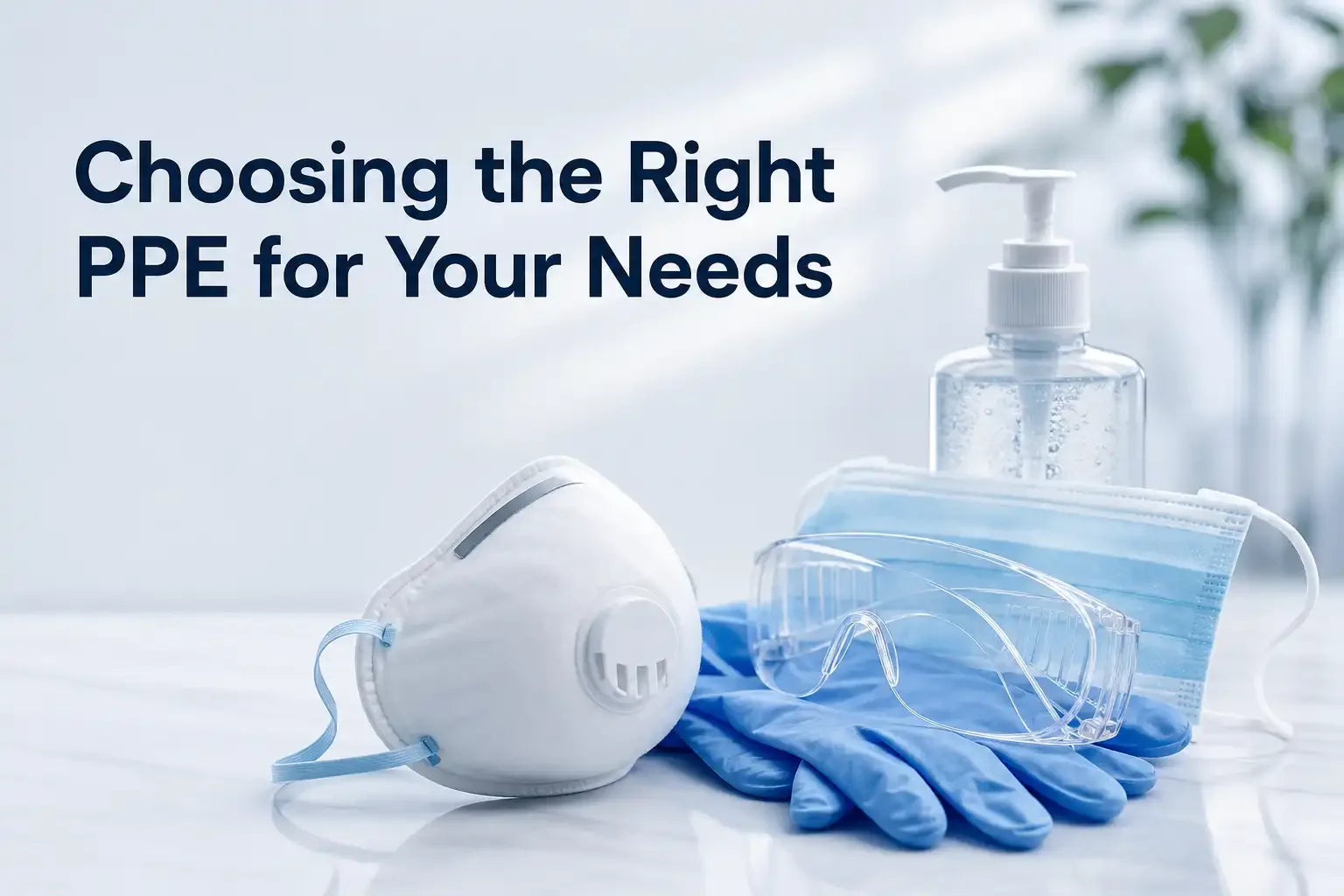
Overview
This article serves as a comprehensive guide to selecting the appropriate personal protective equipment (PPE) for various environments, including healthcare and industrial settings. Readers will learn about different types of PPE, how to assess their specific needs based on risk levels and tasks, and the importance of compliance with safety regulations. By the end, individuals will be equipped to make informed decisions to enhance their safety and effectiveness in their respective activities.
Table of Contents
- Understanding PPE Types
- Common Types of PPE
- Situational Use Cases
- Assessing Your Needs
- Factors to Consider
- Understanding Risk Levels
- Identifying Health Concerns and Regulations
- Material Considerations
- Nitrile Gloves
- Latex Gloves
- Other Materials
- Fit and Comfort
- How Fit Affects Safety
- Measuring for the Right Size
- Comfort for Prolonged Use
- Regulatory Compliance
- Overview of OSHA and CDC Guidelines
- Importance of Compliance for Workplace Safety
- How to Ensure Your PPE Meets Regulatory Standards
- Maintenance and Care
- General Care Instructions for Different Types of PPE
- Signs of Wear and When to Replace PPE
- Storage Tips to Prolong the Life of PPE
- Ready to Make Informed Choices?
Key Takeaways
- Types of PPE: Common types include gloves, masks, gowns, and face shields, each serving specific protective purposes.
- Situational Use: Use gloves and masks in healthcare; face shields and gloves are essential in construction; gowns are critical in labs.
- Assessing Needs: Evaluate your environment, tasks, and duration of use to determine the appropriate PPE.
- Material Selection: Choose materials like nitrile for chemical resistance and latex for high sensitivity, considering allergies and task requirements.
- Fit and Comfort: Ensure PPE fits properly to enhance safety and usability, particularly for long-duration wear.
- Regulatory Compliance: Adhere to OSHA and CDC guidelines to ensure safety and avoid legal repercussions.
- Maintenance: Regularly inspect and maintain PPE to ensure its effectiveness and replace it when signs of wear are evident.
Choosing the right personal protective equipment (PPE) is crucial for ensuring safety in various environments, whether at home, in healthcare settings, or during industrial tasks. This guide will help you understand the different types of PPE available and assess your specific needs to make informed choices.
Understanding PPE Types
PPE refers to equipment designed to protect users from health or safety risks. The importance of PPE in maintaining a safe environment cannot be overstated. Here’s a breakdown of common types of PPE:

Common Types of PPE
- Gloves: Essential for protecting hands from chemicals, pathogens, and physical hazards. Nitrile gloves, for example, are excellent for various tasks due to their durability and resistance to punctures.
- Masks: Used to filter out harmful particles from the air. Masks are crucial in healthcare settings and during activities that generate dust or fumes.
- Gowns: Provide a barrier against contaminants, especially in medical environments. They protect clothing and skin from exposure.
- Face Shields: Offer additional protection for the face and eyes, particularly during procedures that may generate splashes or sprays.
Situational Use Cases
Understanding when to use each type of PPE is vital. Here are some examples:
- In healthcare settings, gloves and masks are essential for preventing infection.
- During construction work, gloves and face shields protect against physical injuries and hazardous materials.
- In laboratories, gowns and gloves are critical for handling chemicals safely.
To summarize, here’s a checklist of PPE types and their situational uses:
| PPE Type | Use Case |
|---|---|
| Gloves | Handling chemicals, medical procedures |
| Masks | Filtering air in dusty or infectious environments |
| Gowns | Protecting clothing in medical and chemical settings |
| Face Shields | Protection from splashes in healthcare or lab environments |
Assessing Your Needs
Before selecting PPE, it's essential to evaluate your specific requirements based on several factors. Here’s how to assess your needs effectively:
Factors to Consider
- Environment: Different settings pose varying levels of risk. Assess whether you are in a healthcare facility, construction site, or home environment.
- Task: Consider the specific activities you'll be performing. For example, if you're cleaning a bathroom, a mask and gloves are necessary, while construction work may require more robust gloves and goggles.
- Duration of Use: If you need to wear PPE for extended periods, prioritize comfort and breathability. This is especially important for gloves and masks.
Understanding Risk Levels
Identifying the level of risk involved in your tasks is crucial. Use the following decision matrix to assess your PPE needs based on task and environment:
| Task Type | Risk Level | PPE Recommended |
|---|---|---|
| Medical Procedures | High | Gloves, masks, gowns, face shields |
| Construction Work | Medium | Gloves, hard hats, face shields |
| Cleaning | Low | Nitrile gloves, masks |
Identifying Health Concerns and Regulations
Consider any specific health concerns you may have, such as allergies to certain materials. Additionally, be aware of regulations governing PPE in your industry. This knowledge will guide you in selecting compliant and suitable equipment.
By thoroughly assessing your needs based on these factors, you can make informed decisions about the PPE that will best protect you in various situations.
Material Considerations
Choosing the right material for your personal protective equipment (PPE) is crucial for ensuring safety and effectiveness. Different tasks and environments require specific materials that can withstand various conditions and hazards. Here’s a breakdown of common materials used in PPE and their respective advantages and disadvantages.
Nitrile Gloves
Nitrile gloves are a popular choice for many industries due to their durability and resistance to chemicals. Unlike latex gloves, nitrile is less likely to cause allergic reactions, making them suitable for a wider range of users.
- Pros: Chemical resistance, puncture resistance, no latex allergies.
- Cons: Less tactile sensitivity compared to latex gloves.
These gloves are ideal for medical environments, laboratories, and food handling where protection against liquids and contamination is essential.
Latex Gloves
Latex gloves are known for their excellent flexibility and comfort. They provide a snug fit, allowing for high tactile sensitivity, which is crucial in medical and dental settings.
- Pros: High sensitivity, comfortable fit.
- Cons: Potential for allergic reactions, limited chemical resistance.
While they are great for healthcare applications, it's essential to consider the risk of allergies among users.
Other Materials
Other commonly used materials in PPE include vinyl and polyethylene. Vinyl gloves are less expensive but offer lower protection compared to nitrile and latex. Polyethylene is often used for single-use items like aprons and gowns.
- Vinyl Gloves: Cost-effective, suitable for low-risk tasks.
- Polyethylene: Lightweight, ideal for food service and cleaning tasks.
| Material | Best Use Cases | Pros | Cons |
|---|---|---|---|
| Nitrile | Medical, food handling | Durable, chemical-resistant | Less tactile sensitivity |
| Latex | Healthcare, dental | High sensitivity, comfortable | Allergy risk |
| Vinyl | Low-risk tasks | Cost-effective | Lower protection |
| Polyethylene | Food service, cleaning | Lightweight | Less durable |
Fit and Comfort
The fit and comfort of PPE are vital for ensuring that it can be worn for extended periods without causing discomfort or distraction. A proper fit not only enhances safety but also boosts usability, allowing the wearer to perform tasks effectively.
How Fit Affects Safety
PPE that is too loose can slip off or fail to provide adequate protection, while overly tight equipment can restrict movement and lead to fatigue. For instance, gloves should fit snugly without being restrictive. If you’re using nitrile gloves, ensure they fit well around the wrist and fingertips for optimal performance.
Measuring for the Right Size
To find the right size for PPE, it’s important to measure correctly. Here’s a simple guide:
- Gloves: Measure the circumference of your hand just below the knuckles and compare it to a sizing chart.
- Face Masks: Measure from the bridge of your nose to just below your chin to find the correct mask size.
- Gowns and Coveralls: Measure your chest, waist, and inseam to ensure a proper fit.
Comfort for Prolonged Use
Comfort is an often-overlooked aspect of PPE, especially for those who need to wear it for long periods. Materials that allow for breathability and flexibility can significantly enhance comfort. For example, breathable fabrics in gowns and comfortable, form-fitting gloves can reduce the likelihood of skin irritation and fatigue.
In addition, consider the following tips to improve comfort:
- Choose adjustable PPE where possible, such as masks with ear loops or hats with adjustable straps.
- Look for PPE with moisture-wicking properties to keep the skin dry.
- Regularly take breaks to reduce discomfort during prolonged use.
By carefully considering material selection and ensuring a proper fit, you can enhance the effectiveness of your PPE while also prioritizing comfort. This not only helps in maintaining safety but also improves overall productivity in the workplace.
Regulatory Compliance
When selecting personal protective equipment (PPE), understanding regulatory compliance is crucial for ensuring workplace safety. Compliance with guidelines set by organizations such as OSHA (Occupational Safety and Health Administration) and the CDC (Centers for Disease Control and Prevention) helps protect both employees and customers. Here’s what you need to know:
Overview of OSHA and CDC Guidelines
OSHA provides standards that dictate the minimum requirements for PPE that employers must provide to employees exposed to hazardous conditions. These guidelines cover various aspects, including:
- Types of PPE required based on specific job tasks.
- Proper training for employees on how to use PPE effectively.
- Regular maintenance and inspection protocols.
The CDC, on the other hand, focuses on health-related PPE guidelines, especially in healthcare settings. Their recommendations include:
- Use of appropriate PPE to prevent infection transmission.
- Guidelines for the safe disposal of contaminated PPE.
- Training for healthcare workers on PPE use.
Importance of Compliance for Workplace Safety
Ensuring compliance with these regulations is not just about avoiding penalties; it’s about fostering a culture of safety. Non-compliance can lead to:
- Increased risk of workplace injuries and illnesses.
- Legal repercussions and fines for businesses.
- Decreased employee morale and trust in the organization.
By adhering to regulatory standards, businesses create a safer environment that protects both their employees and their reputation.
How to Ensure Your PPE Meets Regulatory Standards
To verify that your PPE complies with relevant regulations, consider the following checklist:
- Identify Applicable Standards: Determine which OSHA standards relate to your industry and specific tasks.
- Evaluate PPE Quality: Ensure that the PPE meets or exceeds the required performance standards.
- Documentation: Keep records of PPE purchases, training sessions, and inspections.
- Regular Review: Conduct periodic assessments of your PPE program to ensure ongoing compliance.
Maintenance and Care
Proper maintenance and care of PPE are essential for ensuring its effectiveness and longevity. Here are some key points to keep in mind:
General Care Instructions for Different Types of PPE
Different types of PPE have unique care requirements. Here’s a general overview:
| PPE Type | Care Instructions |
|---|---|
| Nitrile Gloves | Store in a cool, dry place away from direct sunlight. Inspect for tears before each use. |
| Face Masks | Follow manufacturer instructions for cleaning or disposal. Replace when damp or soiled. |
| Protective Gowns | Wash according to manufacturer guidelines. Inspect for damage after each use. |
Signs of Wear and When to Replace PPE
Regularly inspect your PPE for signs of wear and tear. Here are common indicators that it’s time to replace your gear:
- Visible damage such as holes, tears, or fraying.
- Loss of elasticity or fit, especially in gloves.
- Decreased effectiveness, such as masks that no longer filter properly.
Storage Tips to Prolong the Life of PPE
Proper storage is vital for maintaining the integrity of PPE. Follow these tips:
- Store PPE in a designated area, free from contaminants.
- Use protective cases or bins to prevent accidental damage.
- Avoid stacking heavy items on top of PPE to prevent crushing or deformation.
Ready to Make Informed Choices?
Choosing the right PPE is a multi-faceted process that involves understanding regulations, assessing needs, and maintaining equipment. By staying informed and proactive, you can ensure your safety and compliance in any environment. Remember to regularly evaluate your PPE needs and consult with experts when in doubt. Your safety is paramount, and the right PPE can make all the difference!
Frequently Asked Questions
1. What is personal protective equipment (PPE)?
2. What are the common types of PPE?
3. How do I assess my PPE needs?
4. What materials are commonly used in PPE?
5. How can I ensure my PPE meets regulatory standards?
Glossary
| Term | Meaning |
|---|---|
| PPE | Personal Protective Equipment to safeguard against health risks. |
| Nitrile Gloves | Durable gloves resistant to chemicals and punctures. |
| Face Shields | Protective gear for the face and eyes from splashes. |
| OSHA | Occupational Safety and Health Administration; sets workplace safety standards. |
| CDC | Centers for Disease Control and Prevention; provides health safety guidelines. |
| Fit | Proper sizing of PPE for effective protection and comfort. |
| Compliance | Adhering to safety regulations and standards in PPE use. |
| Maintenance | Care practices to ensure PPE remains effective and safe. |
| Risk Level | The potential danger associated with specific tasks or environments. |
| Comfort | How easily PPE can be worn without causing discomfort during use. |
Linked Product

Drive Medical Bathroom Safety Shower Tub Bench Chair
The Drive Medical Bathroom Safety Shower Tub Bench Chair is designed to enhance safety and stability during bathing, making it ideal for individuals with mobility issues or those at risk of falling. Its lightweight aluminum frame and angled legs provide durability and support, while drainage holes in the seat help reduce slipping. With easy, tool-free assembly and a pinch-free design, this shower chair offers convenience and peace of mind for a more enjoyable bathing experience.
View Product