
Overview
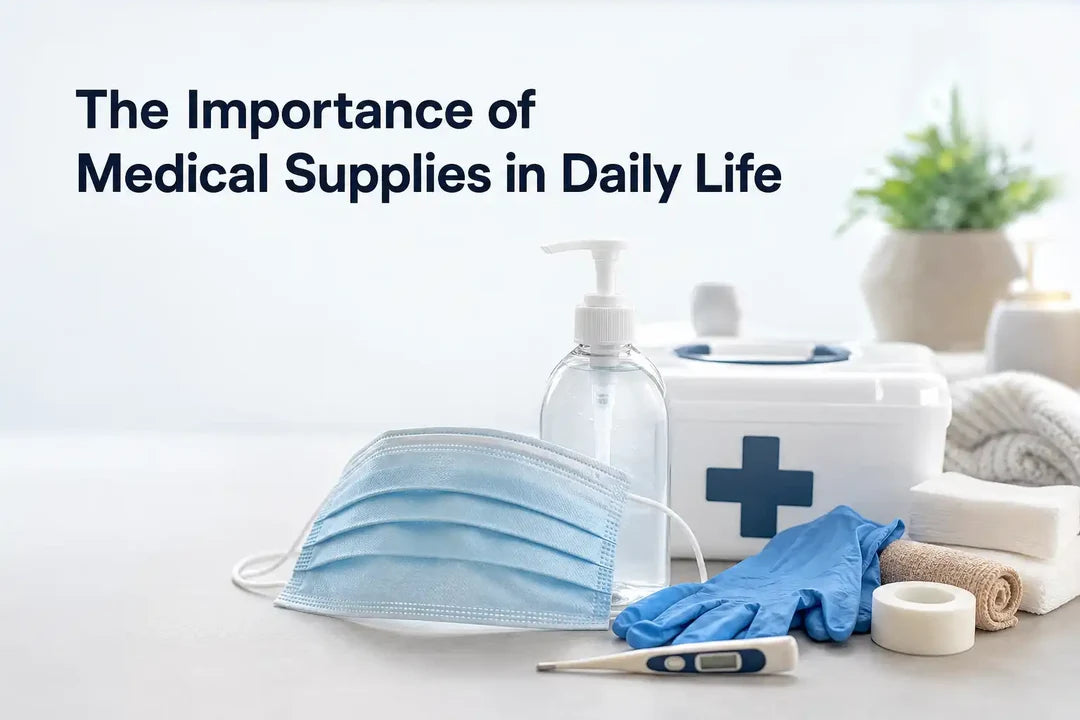
This article highlights the critical role of medical supplies in enhancing safety, managing health conditions, and promoting independence in daily life. Readers will gain insights into various types of medical supplies, their everyday relevance, and how to assess personal needs effectively. By understanding the importance of these tools, individuals can improve their well-being and create a safer living environment.
Table of Contents
- What Are Medical Supplies?
- Checklist of Common Medical Supplies Found in Households
- Enhancing Safety at Home
- Examples of Safety Equipment
- Preventing Accidents and Injuries
- Importance for Elderly and Disabled Individuals
- Managing Health Conditions
- The Role of Wound Dressings in Recovery
- Daily Management of Conditions
- Impact on Quality of Life
- Promoting Independence
- Assistive Devices for Mobility
- Tools for Personal Care
- Psychological Benefits of Independence
- Education and Awareness
- Training and Education Resources
- Community Programs for Awareness
- Importance of Proper Usage
- Checklist for Educational Resources on Medical Supplies
- Empowering Your Everyday Life with Medical Supplies
- Self-Assessment Guide for Evaluating Personal Medical Supply Needs
Key Takeaways
- Medical supplies are critical for enhancing safety and managing health conditions, contributing to improved well-being and independence in daily life.
- Key categories of medical supplies include: Personal Protective Equipment (PPE), wound care supplies, mobility aids, and diagnostic tools.
- Assessing your household for essential medical supplies can significantly improve safety and health management, including items like first aid kits and thermometers.
- Implementing safety equipment such as grab bars and non-slip mats can greatly reduce the risk of accidents, especially for elderly or disabled individuals.
- Proper wound care is vital for recovery, with different types of dressings suited for various injuries, impacting healing time and infection prevention.
- Medical supplies empower individuals with chronic conditions by providing tools for effective daily health management, enhancing their quality of life.
- Education and awareness about medical supplies are essential for ensuring proper usage and maximizing their effectiveness in daily life.
Medical supplies are essential tools that enhance safety, manage health conditions, and promote independence in our daily lives. Understanding their significance can lead to improved well-being and a more secure living environment. This article explores the definition, categories, and everyday relevance of medical supplies, providing insights to help you assess your needs effectively.
What Are Medical Supplies?
Medical supplies encompass a wide range of products designed to assist with health management and enhance safety in various settings. They can be categorized into several types, including:

- Personal Protective Equipment (PPE): Items such as masks, gloves, and gowns that protect users from infections.
- Wound Care Supplies: Includes wound dressings, antiseptics, and ointments for proper wound management.
- Mobility Aids: Devices like canes, walkers, and shower chairs that assist individuals with mobility challenges.
- Diagnostic Supplies: Tools such as thermometers and blood pressure monitors that help in health assessment.
The importance of medical supplies extends beyond emergencies. They are vital in daily scenarios, providing support and enhancing the quality of life for individuals with various health needs. For instance, having adequate wound dressings at home ensures timely treatment, preventing complications and promoting faster recovery.
Checklist of Common Medical Supplies Found in Households
Assessing your household for necessary medical supplies can significantly improve safety and health management. Here’s a handy checklist to consider:
- First aid kit (bandages, antiseptics, etc.)
- Wound dressings for cuts and abrasions
- Thermometer for monitoring fever
- Blood pressure monitor for regular health checks
- Mobility aids such as a shower chair or grab bars
- Personal protective equipment like gloves and masks
Enhancing Safety at Home
One of the primary functions of medical supplies is to enhance safety in the home, particularly for elderly individuals or those with disabilities who may face a higher risk of accidents and injuries. For example, a shower chair provides a stable and secure place for individuals who have difficulty standing while showering, reducing the risk of slips and falls.
Examples of Safety Equipment
Various types of equipment can significantly mitigate risks in the bathroom:
- Shower Chairs: These provide a stable seating option while bathing, making showering safer and more comfortable.
- Grab Bars: Installed in showers and near toilets, grab bars offer additional support when moving around these potentially slippery areas.
- Non-slip Mats: Placing these mats in the shower or bathtub can help prevent slips.
Implementing these safety measures can greatly reduce the likelihood of accidents in the home, offering peace of mind to both individuals and their caregivers.
Preventing Accidents and Injuries
Preventing accidents is vital for maintaining a safe living environment. By using the right medical supplies, individuals can mitigate risks associated with daily activities. For instance, utilizing a shower chair not only provides a safe seating option but also encourages individuals to maintain their personal hygiene independently, which is crucial for overall well-being.
Importance for Elderly and Disabled Individuals
For elderly and disabled individuals, the significance of medical supplies cannot be overstated. These supplies empower them to navigate their living spaces safely and effectively. Ensuring that homes are equipped with the necessary safety equipment can lead to:
- Increased confidence in performing daily activities
- Reduced risk of severe injuries from falls
- Enhanced quality of life through greater independence
By investing in medical supplies, families can create a safer environment that fosters independence and supports daily living activities.
Managing Health Conditions
Medical supplies play a crucial role in managing chronic health conditions, providing individuals with the necessary tools to maintain their health and enhance their quality of life. From wound dressings to diabetes management supplies, these items are designed to support recovery and facilitate daily health practices.
The Role of Wound Dressings in Recovery
Wound dressings are essential for protecting injuries from infections while promoting healing. They come in various forms, including:
- Adhesive bandages: Ideal for minor cuts and scrapes.
- Gauze pads: Suitable for larger wounds, allowing for airflow while absorbing excess moisture.
- Hydrocolloid dressings: Best for blisters and pressure ulcers, providing a moist environment for healing.
Choosing the right type of wound dressing can significantly impact recovery time. It is essential to assess the wound's size and depth and consider factors such as moisture levels and the presence of infection. Regularly changing dressings and monitoring for signs of infection, such as increased redness or swelling, is vital for effective wound management.
Daily Management of Conditions
For individuals living with chronic conditions such as diabetes, having the right medical supplies is crucial for effective daily management. This includes:
- Blood glucose monitors: Allowing individuals to check their glucose levels and adjust their diet or medication accordingly.
- Insulin pens or pumps: Providing a means to administer insulin efficiently and accurately.
- Diabetic test strips: Essential for monitoring glucose levels and ensuring they remain within a healthy range.
By maintaining a consistent routine with these supplies, individuals can manage their health more effectively, reducing the risk of complications associated with their conditions. It’s important to consult healthcare providers for personalized recommendations on managing specific health issues.
Impact on Quality of Life
The availability and proper use of medical supplies can significantly impact the overall quality of life for individuals with chronic conditions. By empowering them to take control of their health, these supplies can lead to:
- Increased independence in daily activities.
- Reduced anxiety related to health management.
- Improved physical health and emotional well-being.
Ultimately, the right medical supplies serve not only as tools for managing health conditions but also as instruments of empowerment, allowing individuals to lead more fulfilling lives.
Promoting Independence
Medical supplies are not just about managing health; they also play a pivotal role in promoting independence for individuals, especially the elderly and those with disabilities. Assistive devices and tools for personal care empower users to maintain their autonomy and improve their quality of life.
Assistive Devices for Mobility
Mobility aids such as walkers, canes, and shower chairs are designed to enhance safety and ease of movement. A shower chair provides a stable seat for individuals who may have difficulty standing while bathing, significantly reducing the risk of slips and falls. Key features of mobility aids include:
- Adjustability: Many devices can be customized to fit the user's height and comfort level.
- Stability: Non-slip feet and sturdy construction ensure safety during use.
- Portability: Lightweight and foldable designs allow for easy transport and storage.
Tools for Personal Care
In addition to mobility aids, various tools can help individuals manage personal care tasks independently. These include:
- Long-reach grabbers: Assist those with limited mobility in picking up objects without bending down.
- Adaptive utensils: Designed for individuals with limited hand strength or dexterity, making eating easier.
- Shower chairs: As mentioned earlier, these chairs provide a safe place to sit while bathing, promoting hygiene and comfort.
These tools not only facilitate daily activities but also foster a sense of dignity and self-sufficiency, crucial for mental well-being.
Psychological Benefits of Independence
Maintaining independence has profound psychological benefits. When individuals can manage their daily tasks without assistance, it enhances their self-esteem and confidence. The ability to perform personal care tasks and engage in social activities fosters a sense of normalcy and belonging, which is vital for mental health.
However, it is essential to consider individual needs when selecting assistive devices. Factors such as the user's physical capabilities, the home environment, and personal preferences should guide the decision-making process. Consulting with healthcare professionals can provide valuable insights into the most suitable options.
Education and Awareness
Understanding how to effectively use medical supplies is crucial for ensuring safety and well-being in daily life. This knowledge empowers individuals and enhances their ability to manage health conditions effectively. Here are some key aspects to consider:
Training and Education Resources
Many organizations offer training programs that educate individuals on the proper use of medical supplies. These resources can include:
- Workshops: Local health departments or hospitals often host workshops that cover various medical supplies and their applications.
- Online Courses: Websites like Coursera and Udemy provide courses on health and safety that include sections on medical supplies.
- Instruction Manuals: Many medical devices come with user manuals that offer detailed instructions on usage and maintenance.
Community Programs for Awareness
Community outreach programs play a vital role in raising awareness about the importance of medical supplies. These initiatives help bridge the knowledge gap and ensure that individuals are informed about their options. Consider participating in:
- Health Fairs: These events often feature booths that showcase various medical supplies, offering demonstrations and free samples.
- Support Groups: Joining support groups for specific health conditions can provide insights into useful medical supplies and how to use them effectively.
- Local Clinics: Many clinics offer informational sessions where healthcare professionals discuss the importance of different medical supplies.
Importance of Proper Usage
Proper usage of medical supplies is critical for their effectiveness. Misuse can lead to complications or ineffective management of health conditions. Here are some best practices:
- Follow Instructions: Always adhere to the guidelines provided with medical supplies, including dosage and application methods.
- Regular Training: If you are responsible for someone else's care, ensure you receive regular training updates to stay informed about new products and techniques.
- Consult Healthcare Professionals: When in doubt, consult with a healthcare provider to clarify any uncertainties regarding the use of medical supplies.
Checklist for Educational Resources on Medical Supplies
To make the most of available resources, consider the following checklist:
- Identify local workshops or training sessions.
- Research online courses that focus on medical supplies relevant to your needs.
- Ask your healthcare provider for recommended reading materials or resources.
- Participate in community health events to gain hands-on experience.
- Join online forums or groups to exchange information with others.
Empowering Your Everyday Life with Medical Supplies
Medical supplies are integral to maintaining health and safety in daily life. They aid in managing health conditions and empower individuals to live more independently. Here’s a recap of the benefits discussed:
- Safety Enhancements: Products like shower chairs provide necessary support to prevent falls and injuries in vulnerable settings, such as bathrooms.
- Health Management: Items such as wound dressings play a crucial role in recovery, allowing individuals to manage their health more effectively at home.
- Independence: Assistive devices enable individuals to perform daily tasks without assistance, fostering a sense of autonomy.
It’s important to regularly assess your personal needs regarding medical supplies. Consider your daily activities, any health conditions, and the level of support you require. Here’s a simple self-assessment guide to help you evaluate your medical supply needs:
Self-Assessment Guide for Evaluating Personal Medical Supply Needs
- List any chronic health conditions you have and the supplies you currently use.
- Evaluate the effectiveness of your current supplies. Are there any challenges you face?
- Consider the safety measures in your home. Do you have the necessary equipment, such as a shower chair, to prevent accidents?
- Identify areas where you feel you need more support or resources.
- Research new products or consult with healthcare professionals for recommendations.
By taking the time to understand and utilize medical supplies effectively, you can significantly enhance your quality of life. Stay informed, stay safe, and embrace the independence that comes with being equipped for everyday challenges!
Frequently Asked Questions
1. What are medical supplies?
2. How do medical supplies enhance safety at home?
3. Why are wound dressings important?
4. What role do medical supplies play in managing chronic health conditions?
5. How can individuals empower their lives with medical supplies?
Glossary
| Term | Meaning |
|---|---|
| Medical Supplies | Products that assist with health management and enhance safety. |
| Personal Protective Equipment (PPE) | Items like masks and gloves that protect against infections. |
| Wound Care Supplies | Products for managing injuries, including dressings and antiseptics. |
| Mobility Aids | Devices that assist individuals with movement, such as walkers. |
| Diagnostic Supplies | Tools for health assessment, like thermometers and monitors. |
| Shower Chair | A seat used in the shower to enhance safety while bathing. |
| Grab Bars | Installed supports that assist with stability in slippery areas. |
| Blood Glucose Monitor | A device for checking blood sugar levels in diabetes management. |
| First Aid Kit | A collection of supplies for treating minor injuries at home. |
| Adaptive Utensils | Specially designed tools to assist individuals with limited dexterity. |
Linked Product

Drive Medical Bathroom Safety Shower Chair with Folding Back
The Drive Medical Bathroom Safety Shower Chair with Folding Back provides a stable and secure seating option for individuals who may have difficulty standing while showering. Its lightweight design features height-adjustable legs with non-slip feet for added safety, and the folding backrest allows for easy storage and transport. Additionally, the chair can be customized with optional arms and soap trays for enhanced functionality.
View Product