
Overview
This article delves into the growing field of magnetic therapy as a holistic approach to health and well-being. Readers will learn about the historical roots, potential benefits, and practical steps for integrating magnetic therapy into their health routines, including how to choose the right products and assess individual health needs. By understanding these aspects, individuals can make informed decisions about incorporating this alternative therapy into their wellness journey.
Table of Contents
- Understanding Magnetic Therapy
- How Magnetic Therapy Works
- Assessing Your Health Needs
- Identifying Personal Health Goals
- Consulting with Healthcare Professionals
- Considering Existing Health Conditions
- Choosing the Right Magnetic Therapy Products
- Types of Magnetic Therapy Products Available
- Factors to Consider When Choosing Products
- Importance of Quality and Safety
- Integrating Magnetic Therapy into Your Routine
- Creating a Daily Regimen
- Combining with Other Health Practices
- Monitoring Progress and Effects
- Potential Risks and Considerations
- Common Side Effects
- When to Avoid Magnetic Therapy
- Consulting with Healthcare Providers
- Complementary Practices to Enhance Benefits
- Role of Stress Vitamins in Overall Health
- Benefits of Proper Sleep and Rest
- Using Hospital Beds for Optimal Recovery
Key Takeaways
- Magnetic therapy utilizes static magnetic fields to alleviate pain and improve health, with historical roots in ancient Egypt and China.
- Key benefits include pain relief for chronic conditions like arthritis and fibromyalgia, improved circulation, and stress reduction.
- Consulting healthcare professionals before starting magnetic therapy is crucial, especially for individuals with existing health conditions or those on medication.
- Choosing high-quality magnetic therapy products is essential for safety and effectiveness; consider comfort, durability, and customer reviews.
- Integrating magnetic therapy into a daily routine enhances consistency; consider using products at different times throughout the day for maximum benefit.
- Monitor your progress by keeping a journal to track changes in health and well-being after incorporating magnetic therapy.
- Be aware of potential risks such as skin irritation or headaches, and consult a doctor if you have specific health concerns or conditions.
Magnetic therapy is gaining traction as a holistic approach to enhancing health and well-being. With its roots in ancient practices, this alternative therapy is believed to harness magnetic fields to promote healing. This guide explores how to effectively integrate magnetic therapy into your health regimen, providing valuable insights for health-conscious individuals seeking alternative therapies.
Understanding Magnetic Therapy
Magnetic therapy involves the use of static magnetic fields to alleviate pain and improve health. This therapy has been utilized for centuries, with historical records indicating its use in ancient Egypt and China. Today, it is recognized for its potential benefits, which include:

- Pain Relief: Many users report a reduction in chronic pain, particularly in conditions like arthritis or fibromyalgia.
- Improved Circulation: Magnetic fields are believed to enhance blood flow, aiding in recovery and overall health.
- Stress Reduction: By promoting relaxation, magnetic therapy can help alleviate stress, making it a valuable addition to your wellness toolkit.
How Magnetic Therapy Works
The mechanism behind magnetic therapy is rooted in the idea that magnetic fields can influence the body's electrical and biochemical processes. While research is ongoing, it is thought that magnets may help in:
- Reducing inflammation
- Enhancing cellular function
- Balancing energy within the body
Understanding these foundational aspects will help you appreciate the potential benefits of magnetic therapy as you consider integrating it into your routine.
Assessing Your Health Needs
Before diving into magnetic therapy, it's essential to assess your individual health needs to determine if this therapy is suitable for you. Here are some key steps to consider:
Identifying Personal Health Goals
Reflect on what you hope to achieve with magnetic therapy. Are you looking for pain relief, stress reduction, or improved sleep quality? Having clear health goals will guide your approach and help you measure progress.
Consulting with Healthcare Professionals
Always consult with a healthcare provider before starting any new therapy. They can provide insights based on your medical history and current conditions. This is particularly important if you have existing health issues or are taking medications.
Considering Existing Health Conditions
Evaluate any pre-existing conditions that may affect your ability to use magnetic therapy safely. For instance, individuals with pacemakers or certain metal implants should avoid magnetic fields. Here’s a quick checklist to help you assess your health needs:
- Do you have any chronic pain conditions?
- Are you currently on medication that may interact with magnetic therapy?
- Have you consulted your healthcare provider about alternative therapies?
- What are your specific health goals regarding stress management or pain relief?
By taking these steps, you can make an informed decision about whether magnetic therapy is a beneficial addition to your health regimen.
Choosing the Right Magnetic Therapy Products
When it comes to magnetic therapy, selecting the right products is crucial for maximizing benefits. With a variety of options available, understanding the types and their specific uses can help you make an informed decision.
Types of Magnetic Therapy Products Available
Magnetic therapy products come in various forms, each designed to target specific health concerns. Here are some common types:
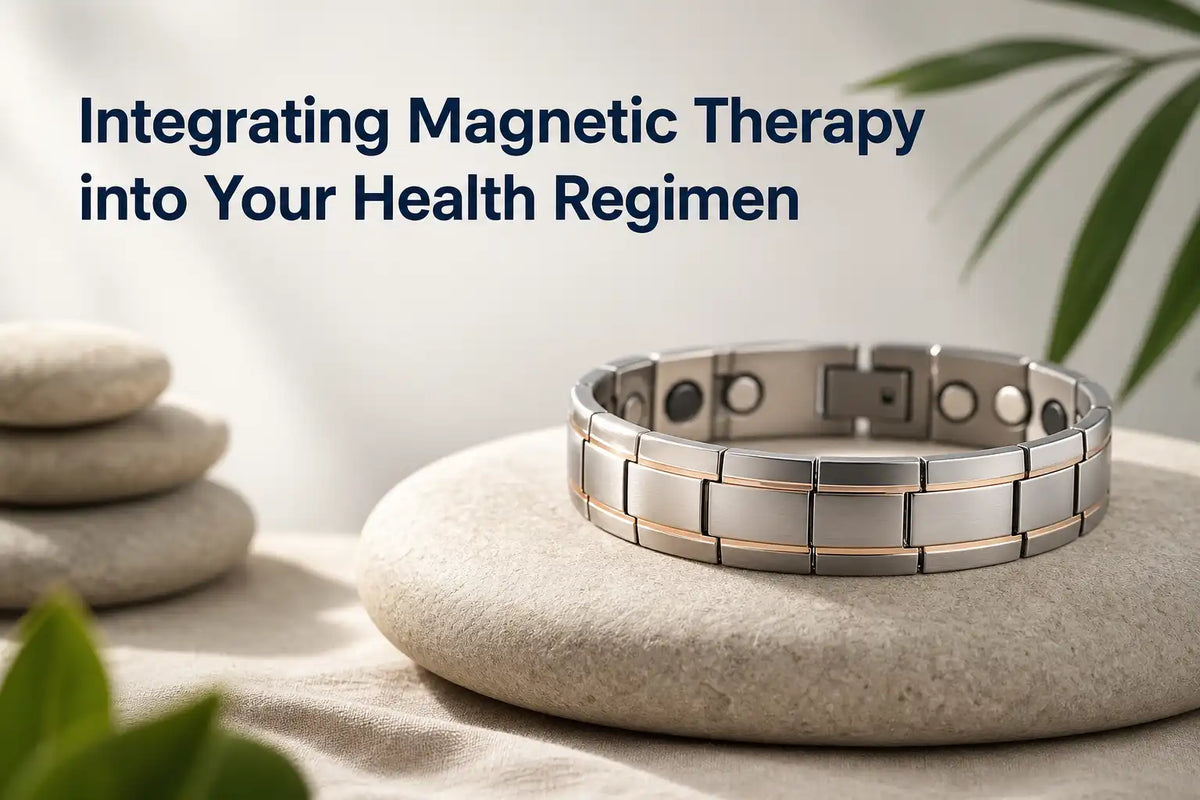
- Magnetic bracelets: Often worn on the wrist, these bracelets are believed to improve circulation and reduce pain.
- Magnetic wraps: These can be applied to specific body parts, like joints or muscles, to alleviate localized discomfort.
- Magnetic insoles: Placed inside shoes, these are intended to support foot health and enhance overall mobility.
- Magnetic mattresses and pads: Designed for use during sleep, these products aim to improve rest and recovery.
Factors to Consider When Choosing Products
Before making a purchase, consider the following factors:
- Health goals: Identify what you hope to achieve with magnetic therapy, such as pain relief, improved circulation, or stress reduction.
- Quality: Look for products made from durable materials and backed by reputable manufacturers. Quality ensures safety and effectiveness.
- Comfort: Ensure that the product fits well and feels comfortable during use. Discomfort can lead to inconsistent use and diminished results.
- Reviews and testimonials: Research customer feedback to gauge the effectiveness of the product. This can provide insights into potential benefits and drawbacks.
Importance of Quality and Safety
Choosing high-quality magnetic therapy products is essential not only for achieving desired results but also for ensuring your safety. Low-quality or poorly constructed items may not deliver the promised benefits and could even pose health risks. Always opt for products that have been clinically tested or are recommended by healthcare professionals.
As you explore options, consider creating a comparison table to evaluate different products based on your specific needs. Here’s a simple example:
| Product Type | Intended Use | Comfort Level | Average Price |
|---|---|---|---|
| Magnetic Bracelet | Wrist pain, circulation | Moderate | $20 - $50 |
| Magnetic Wrap | Joint pain | High | $30 - $70 |
| Magnetic Insoles | Foot health | High | $15 - $40 |
| Magnetic Mattress Pad | Sleep improvement | High | $100 - $300 |
Integrating Magnetic Therapy into Your Routine
Now that you have a clearer idea of how to choose the right magnetic therapy products, the next step is to effectively integrate them into your daily regimen. Here are actionable steps to help you get started:
Creating a Daily Regimen
Consistency is key when it comes to magnetic therapy. Establish a daily routine that incorporates your chosen products. Here’s a sample schedule:
- Morning: Start your day by wearing a magnetic bracelet while you go about your morning activities.
- Midday: If you have a magnetic wrap, use it during lunch or while relaxing. This can help alleviate stress and tension.
- Evening: Consider using magnetic insoles while walking or exercising. Finish your day with a magnetic mattress pad to enhance your sleep quality.
Combining with Other Health Practices
To amplify the benefits of magnetic therapy, consider combining it with other health practices. For instance, taking stress vitamins can further support your body’s ability to manage stress effectively. Additionally, ensuring you have a comfortable sleeping environment—potentially with hospital beds designed for optimal rest—can enhance recovery and overall well-being.
Monitoring Progress and Effects
As you start integrating magnetic therapy into your routine, it's essential to monitor your progress. Keep a journal to document any changes in your health, stress levels, and overall well-being. This can help you assess the effectiveness of magnetic therapy and make necessary adjustments to your regimen.
By following these practical steps, you can seamlessly incorporate magnetic therapy into your health regimen, paving the way for enhanced wellness and vitality.
Potential Risks and Considerations
While magnetic therapy can offer various health benefits, it is essential to be aware of potential risks and how to mitigate them. Understanding these risks ensures that you can safely incorporate this alternative therapy into your health regimen.
Common Side Effects
Some individuals may experience mild side effects when using magnetic therapy. These can include:
- Skin irritation at the site of application
- Headaches or dizziness
- Nausea or gastrointestinal discomfort
If you encounter any of these side effects, consider adjusting the duration or intensity of your magnetic therapy sessions. In many cases, these symptoms are temporary and may subside with time.
When to Avoid Magnetic Therapy
There are specific circumstances in which magnetic therapy may not be advisable:
- Individuals with pacemakers or other electrical implants should avoid magnetic therapy, as it may interfere with device functioning.
- Pregnant women are generally advised against using magnetic therapy due to insufficient research on its effects during pregnancy.
- People with certain health conditions, such as severe heart disease or bleeding disorders, should consult their doctor before starting magnetic therapy.
Always consider your unique health circumstances before beginning any new treatment. Being cautious can help prevent adverse reactions and ensure a positive experience with magnetic therapy.
Consulting with Healthcare Providers
Before integrating magnetic therapy into your routine, it is wise to consult with healthcare professionals. They can provide personalized advice based on your health history and current conditions. A discussion with your doctor can help you:
- Understand how magnetic therapy may fit into your overall health plan.
- Identify any potential interactions with medications or existing treatments.
- Receive recommendations tailored to your specific needs.
By collaborating with healthcare providers, you can make informed decisions that enhance your wellness journey.
Complementary Practices to Enhance Benefits
To maximize the benefits of magnetic therapy, consider integrating complementary practices into your health regimen. These additional strategies can support your overall well-being and work synergistically with magnetic therapy.
Role of Stress Vitamins in Overall Health
Stress vitamins, such as B-complex vitamins, vitamin C, and magnesium, play a crucial role in managing stress and promoting mental clarity. When combined with magnetic therapy, these vitamins can:
- Enhance relaxation and reduce anxiety.
- Support energy levels and focus.
- Boost your immune system, helping your body recover more effectively.
Incorporating foods rich in these vitamins, or considering supplements, can provide a holistic approach to stress management alongside the use of magnetic therapy.
Benefits of Proper Sleep and Rest
Quality sleep is essential for physical and mental recovery. Magnetic therapy can promote relaxation, making it easier to achieve restorative sleep. To further enhance your sleep quality:
- Establish a consistent sleep schedule by going to bed and waking up at the same time each day.
- Create a calming bedtime routine to signal your body that it's time to wind down.
- Ensure your sleep environment is conducive to rest, with comfortable bedding and minimal light.
By prioritizing sleep, you can amplify the positive effects of magnetic therapy on your overall health.
Using Hospital Beds for Optimal Recovery
Hospital beds are designed for comfort and support, making them an excellent choice for individuals undergoing recovery or those who require long-term care. When combined with magnetic therapy, hospital beds can:
- Provide adjustable positions to alleviate pressure points and improve circulation.
- Facilitate better sleep by allowing users to find their most comfortable position.
- Enhance accessibility for those with mobility challenges, making it easier to incorporate therapy sessions.
Investing in a hospital bed can create a supportive environment that complements your magnetic therapy practice, ensuring that you receive the maximum benefits.
By being mindful of potential risks and incorporating complementary practices, you can effectively integrate magnetic therapy into your health regimen. Embrace this unique journey towards improved wellness and discover the transformative power of magnetic therapy.
Frequently Asked Questions
1. What is magnetic therapy?
2. What are the potential benefits of magnetic therapy?
3. How do I choose the right magnetic therapy products?
4. What should I do before starting magnetic therapy?
5. Are there any risks associated with magnetic therapy?
Glossary
| Term | Meaning |
|---|---|
| Magnetic Therapy | A holistic approach using magnetic fields for healing and well-being. |
| Pain Relief | Reduction of chronic pain, commonly in conditions like arthritis. |
| Improved Circulation | Enhanced blood flow aiding recovery and overall health. |
| Stress Reduction | Promotion of relaxation to alleviate stress levels. |
| Magnetic Products | Items like bracelets and wraps designed for therapeutic use. |
| Quality and Safety | The importance of selecting reliable, well-constructed products. |
| Complementary Practices | Additional health strategies that enhance the effects of magnetic therapy. |
| Healthcare Consultation | Seeking professional advice before starting new therapies. |
| Potential Risks | Possible side effects or contraindications associated with therapy. |
| Stress Vitamins | Nutrients that help manage stress and improve mental clarity. |
Linked Product

Medline Stress Vitamins with Zinc Tablets
Medline Stress Vitamins with Zinc Tablets are designed to provide nutritional support during physiological stress. This antioxidant-rich complex may help individuals manage stress more effectively. Each bottle contains 60 tablets, making it a convenient option for daily supplementation.
View Product