
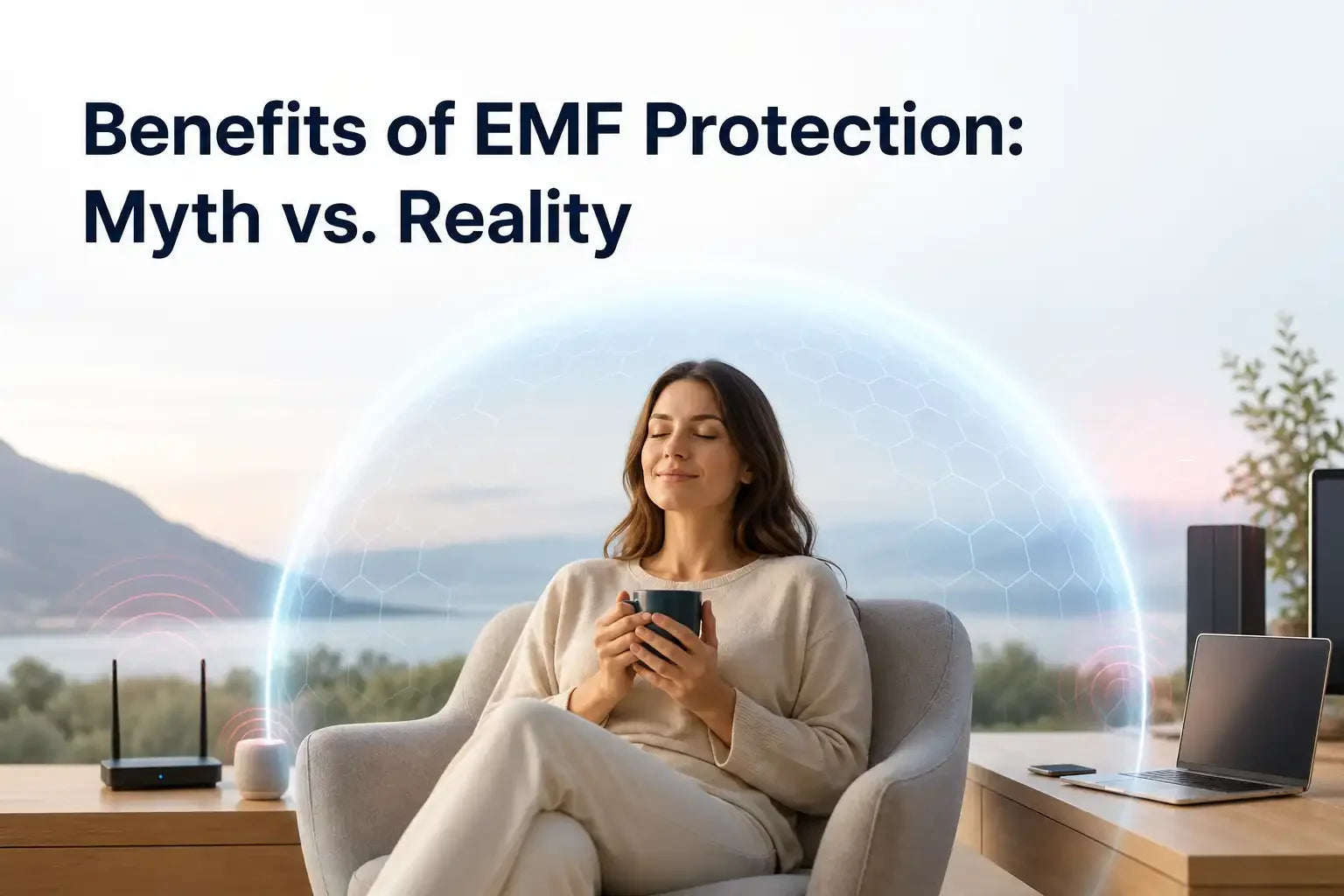
Overview
This article delves into the growing concerns surrounding electromagnetic fields (EMFs) and the importance of EMF protection. Readers will learn to differentiate between common myths and scientific facts about EMF exposure, evaluate protection products critically, and make informed decisions regarding their health. By understanding the realities of EMF risks and protection options, consumers can navigate this complex topic with greater confidence and awareness.
Table of Contents
- Introduction to EMF Protection
- What are EMFs?
- Common Sources of EMF Exposure
- Measuring EMF Exposure
- Common Myths About EMF Protection
- Myth: EMF Protection is Unnecessary
- Myth: All EMF Protection Products are Effective
- Myth: EMF Exposure is Only Harmful in High Doses
- Evaluating EMF Protection Claims
- Empower Yourself with Knowledge
- Scientific Perspectives on EMF Exposure
- Overview of Scientific Studies on EMF Exposure
- Health Organizations' Positions on EMF Safety
- Distinction Between Ionizing and Non-Ionizing Radiation
- Benefits of EMF Protection
- Reduction of Anxiety Related to EMF Exposure
- Potential Improvement in Sleep Quality
- Enhanced Overall Well-Being
- When to Consider EMF Protection
- How to Choose EMF Protection Products
- Criteria for Evaluating EMF Protection Products
- Importance of Third-Party Testing
- Consumer Reviews and Feedback
- Caveats to Consider When Purchasing EMF Protection
- Protect Your Health with Informed Choices
Key Takeaways
- EMFs are prevalent: Electromagnetic fields (EMFs) are generated by common devices such as cell phones, Wi-Fi routers, and household appliances.
- Types of EMFs: EMFs are categorized into ionizing radiation, which poses health risks, and non-ionizing radiation, which is generally considered safe at low levels.
- Myths debunked: Not all EMF protection products are effective; consumers should look for scientific backing and independent testing.
- Cumulative exposure matters: Low-level EMF exposure over time may contribute to health concerns, warranting proactive measures.
- Evaluate products critically: Use a checklist to assess EMF protection claims, including research support and consumer reviews.
- Psychological benefits: Many individuals report reduced anxiety and improved sleep quality when using EMF protection products.
- Stay informed: Continuous research on EMF exposure is essential; consumers should prioritize transparency and validated claims in their choices.
As health-conscious consumers become increasingly aware of their environments, the topic of electromagnetic fields (EMFs) is gaining traction. With a growing public concern about the potential health risks associated with EMF exposure, it's essential to separate fact from fiction. This article explores EMF protection, addressing common myths and outlining the realities to help you make informed decisions.
Introduction to EMF Protection
Electromagnetic fields (EMFs) are areas of energy that surround electrical devices. From household appliances to cell phones and Wi-Fi routers, EMFs are an unavoidable part of modern life. While many studies are ongoing, the public's concern about potential health effects from EMF exposure has led to a demand for EMF protection solutions.

What are EMFs?
EMFs can be categorized into two types: ionizing and non-ionizing radiation. Ionizing radiation, such as X-rays, has enough energy to remove tightly bound electrons from atoms, which can lead to health risks. Non-ionizing radiation, on the other hand, includes lower-energy EMFs from everyday devices and is generally considered less harmful. However, understanding EMF exposure levels is crucial.
Common Sources of EMF Exposure
- Cell phones
- Wi-Fi routers
- Microwave ovens
- Televisions
- Power lines
Measuring EMF Exposure
To gauge your exposure to EMFs at home, consider using an EMF meter. These devices can help you identify high-emission areas and make adjustments to reduce exposure. Monitoring your environment is a proactive step toward understanding your health risks related to EMF.
Common Myths About EMF Protection
Despite the increasing awareness of EMF protection, several myths persist. Let's debunk some of the most prevalent misconceptions that may cloud your understanding of EMF exposure and protection.
Myth: EMF Protection is Unnecessary
This myth stems from the belief that because the scientific community has not definitively linked EMFs to severe health issues, protection is not needed. However, many individuals report discomfort and anxiety related to EMF exposure, which can affect their well-being. Therefore, considering EMF protection can be a personal choice based on individual sensitivity.
Myth: All EMF Protection Products are Effective
With a growing market for EMF protection products, it's essential to approach claims critically. Not all products are created equal, and some may not offer any real benefit. To determine effectiveness, look for:
- Scientific backing and studies supporting the product
- Third-party testing results
- Consumer reviews and feedback
Myth: EMF Exposure is Only Harmful in High Doses
This misconception can lead to complacency. While high doses of EMF exposure can be harmful, many experts suggest that cumulative low-level exposure may also pose risks over time. Understanding that even low-level exposure can contribute to health concerns is vital for a holistic approach to EMF protection.
Evaluating EMF Protection Claims
When considering EMF protection products, use this checklist to evaluate claims:
- Is there credible research supporting the product's effectiveness?
- Have independent tests verified the claims?
- What do consumer reviews say about the product's performance?
- Does the product come with a satisfaction guarantee or return policy?
By critically assessing these factors, you can make more informed choices regarding EMF protection and your overall health. Remember, while the scientific community continues to research EMF exposure, staying informed and proactive is key.
Empower Yourself with Knowledge
Understanding the realities and myths surrounding EMF protection is essential for health-conscious consumers. By staying informed and evaluating claims critically, you can navigate the world of EMF exposure and make choices that support your well-being.
Scientific Perspectives on EMF Exposure
Understanding the health risks associated with electromagnetic fields (EMFs) requires a look into scientific research and the positions held by health organizations. EMFs are generated by various sources, including household appliances, cell phones, and power lines. While some studies have raised concerns about prolonged exposure, the scientific community largely distinguishes between different types of radiation and their potential health effects.
Overview of Scientific Studies on EMF Exposure
Numerous studies have investigated the impact of EMF exposure on human health. Research has primarily focused on two types of radiation: ionizing and non-ionizing. Ionizing radiation, which includes X-rays and gamma rays, has been conclusively linked to health risks such as cancer. In contrast, non-ionizing radiation, which includes EMFs from everyday devices, has not been shown to have the same level of risk.
For example, the World Health Organization (WHO) states that while some studies have suggested a potential link between EMF exposure and certain health issues, the evidence remains inconclusive. Most research indicates that the levels of EMF exposure from common household devices are significantly below the limits recommended by international guidelines.
Health Organizations' Positions on EMF Safety
Health organizations generally advocate for a balanced approach to EMF exposure. The American Cancer Society emphasizes that current evidence does not conclusively link EMF exposure to cancer or other health issues. They recommend staying informed but not overly concerned about everyday EMF exposure.
In addition to the WHO, other organizations like the International Agency for Research on Cancer (IARC) classify EMF as possibly carcinogenic to humans (Group 2B), suggesting that while there is some evidence of risk, it is not definitive. This classification emphasizes the need for further research rather than immediate alarm.
Distinction Between Ionizing and Non-Ionizing Radiation
To better understand the implications of EMF exposure, it's crucial to differentiate between ionizing and non-ionizing radiation:
| Type of Radiation | Examples | Health Risks |
|---|---|---|
| Ionizing Radiation | X-rays, Gamma rays | Linked to cancer and other health issues |
| Non-Ionizing Radiation | EMFs from appliances, cell phones | Generally considered safe at low exposure levels |
Understanding this distinction helps consumers make informed decisions about EMF protection and assess the necessity of using protection products. While EMF protection may offer peace of mind, it is essential to evaluate the actual risks based on scientific evidence.
Benefits of EMF Protection
While the scientific community continues to explore the health effects of EMF exposure, many individuals are turning to EMF protection products for various reasons. Here are some potential benefits associated with using these products:
Reduction of Anxiety Related to EMF Exposure
For many health-conscious consumers, the mere idea of EMF exposure can create anxiety. EMF protection products can offer a sense of security, reducing stress and anxiety levels. This psychological benefit should not be underestimated, as mental well-being is closely linked to physical health.
Potential Improvement in Sleep Quality
Some users report better sleep quality when using EMF protection products, suggesting a potential link between reduced exposure and improved rest. While scientific evidence is limited, anecdotal reports indicate that minimizing EMF exposure may help individuals who are sensitive to electromagnetic fields.
Enhanced Overall Well-Being
Many who invest in EMF protection claim an overall improvement in well-being. This can encompass increased energy levels, improved mood, and a greater sense of health. While these claims may vary from person to person, the subjective experience of enhanced well-being can be significant for those who feel empowered by their protective measures.
When to Consider EMF Protection
To decide if EMF protection is right for you, consider the following decision rule:
- Evaluate your daily exposure: Identify the sources of EMF in your environment (e.g., Wi-Fi routers, cell phones, and appliances).
- Assess your sensitivity: Are you experiencing symptoms such as headaches or fatigue that you attribute to EMF exposure?
- Research products: Look for EMF protection products that offer credible claims and third-party testing.
- Monitor your health: Keep track of any changes in your physical and mental well-being after using protection products.
By applying this decision rule, you can make an informed choice about whether to incorporate EMF protection into your lifestyle. Remember, the goal is to balance awareness with practical measures, ensuring your health remains a priority.
How to Choose EMF Protection Products
As awareness about electromagnetic fields (EMFs) grows, so does the market for EMF protection products. However, with countless options available, choosing the right one can be overwhelming. Here’s a guide to help you navigate the selection process effectively.
Criteria for Evaluating EMF Protection Products
When searching for effective EMF protection solutions, consider the following criteria:
- Material Quality: Look for products made from high-quality materials that are known for their protective properties. For instance, some fabrics are designed specifically to shield against EMF.
- Effectiveness Claims: Assess the manufacturer's claims regarding the effectiveness of their products. Are they backed by scientific research or credible studies?
- Transparency: Choose brands that are open about their testing methods and results. Transparency is key to ensuring that claims are legitimate.
- Certifications: Look for products that have been certified by independent testing organizations. Third-party testing can validate the manufacturer’s claims.
Importance of Third-Party Testing
Third-party testing plays a crucial role in verifying the effectiveness of EMF protection products. Here’s why it matters:
- Credibility: Products that have undergone third-party testing are more likely to deliver on their promises, as they are evaluated by unbiased experts.
- Standardization: Third-party tests often adhere to industry standards, providing a benchmark for effectiveness that consumers can rely on.
- Consumer Trust: Brands that invest in third-party testing demonstrate their commitment to quality and consumer safety, fostering trust among potential buyers.
Consumer Reviews and Feedback
Before making a purchase, take time to read consumer reviews and feedback. This can provide valuable insights into the real-world performance of EMF protection products. Consider the following:
- Common Experiences: Look for patterns in the reviews. Are users reporting positive outcomes, or are there consistent complaints?
- Specific Benefits: Pay attention to testimonials that mention specific benefits, such as improved sleep quality or reduced anxiety related to EMF exposure.
- Comparison: Use reviews to compare different products. This can help you identify which items are consistently rated higher by users.
Remember, while reviews can be helpful, it’s essential to filter out biased or overly sensational feedback. Aim for balanced perspectives that provide both pros and cons of the products.
Caveats to Consider When Purchasing EMF Protection
While seeking EMF protection, it's important to remain cautious. Here are some caveats to keep in mind:
- Overhyped Claims: Be wary of products that make exaggerated claims about their effectiveness without substantial evidence. If something sounds too good to be true, it probably is.
- Price vs. Quality: Higher prices do not always guarantee better protection. Evaluate products based on quality and testing rather than just price.
- Misleading Marketing: Some brands may use marketing tactics that play on fear rather than presenting factual information. Always seek reliable sources to validate claims.
- Personal Needs: Understand your specific needs regarding EMF exposure. What works for one person may not be suitable for another, so tailor your choices accordingly.
Protect Your Health with Informed Choices
Understanding EMF protection is essential for making informed decisions that benefit your health. While there are numerous products available, it’s crucial to evaluate them critically. Stay informed about the latest research and consumer feedback, and always prioritize products that offer transparency and third-party validation.
As you explore options, remember that EMF protection is just one aspect of a holistic approach to health. Consider integrating other wellness practices, such as using a Healthline shower chair, to enhance your overall well-being. By combining various strategies, you can create a healthier living environment while mitigating potential risks associated with EMF exposure.
For more information on EMF protection, as well as a wide range of medical equipment online, be sure to explore our store. Empower yourself with knowledge and make choices that align with your health goals!
Frequently Asked Questions
1. What are electromagnetic fields (EMFs)?
2. What are common sources of EMF exposure?
3. Is EMF protection necessary?
4. How can I choose effective EMF protection products?
5. What should I consider when evaluating EMF protection claims?
Glossary
| Term | Meaning |
|---|---|
| EMF | Electromagnetic fields, areas of energy from electrical devices. |
| Ionizing Radiation | High-energy radiation that can remove electrons from atoms, linked to health risks. |
| Non-Ionizing Radiation | Lower-energy radiation from everyday devices, generally considered less harmful. |
| EMF Meter | A device used to measure electromagnetic field exposure levels. |
| Myth | A widely held but false belief about EMF exposure and protection. |
| Third-Party Testing | Independent evaluation of a product's effectiveness by an unbiased organization. |
| Health Organizations | Groups that study and provide guidance on health risks, including EMF exposure. |
| Consumer Reviews | Feedback from users about their experiences with EMF protection products. |
| Credible Research | Scientific studies that provide reliable evidence regarding EMF safety. |
| Well-Being | A state of health and happiness, potentially improved by EMF protection. |
Linked Product

Healthline Shower Chair 18″ – Folding
The Healthline Shower Chair features a deluxe flip-up seat and a sturdy design with a 300 lb capacity, making it suitable for various users. Its folding capability allows for easy storage and transport, while the 18″ width between the arms ensures comfort and accessibility. Optional accessories like a safety belt and privacy skirt can enhance its functionality for individual needs.
View Product