Overview
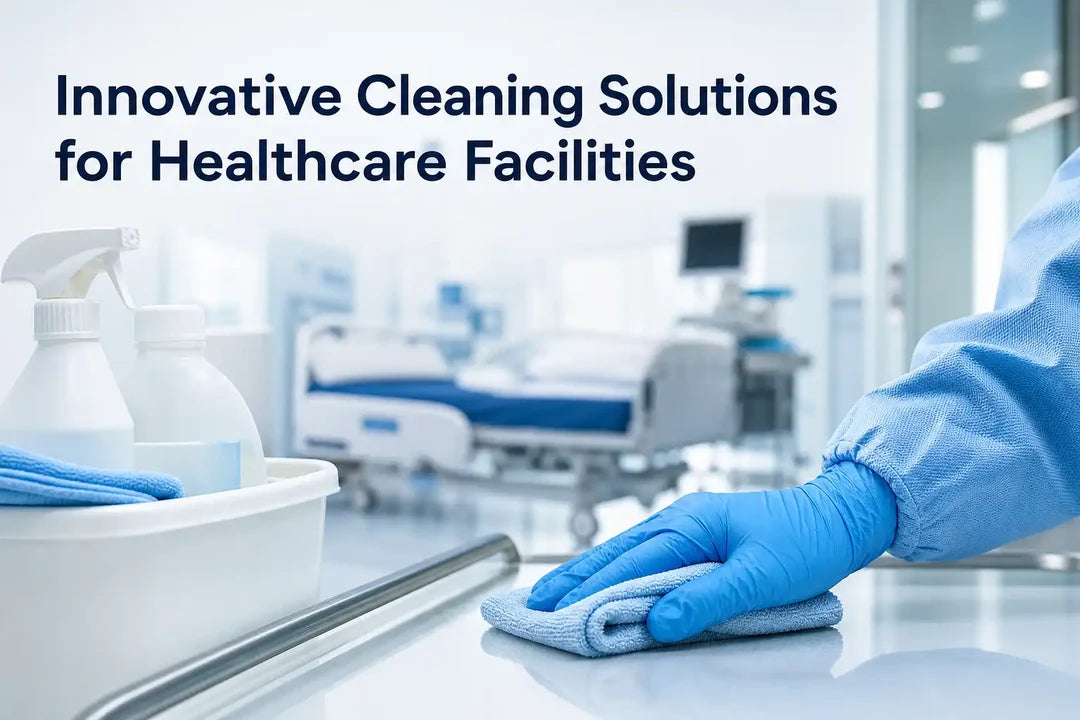
Effective cleaning in healthcare is essential for preventing infections and ensuring patient safety. By implementing rigorous cleaning protocols and selecting the right products, facilities can create a hygienic environment that meets regulatory standards. This article highlights innovative cleaning solutions, best practices for product selection, and emerging trends that can enhance cleaning efficiency in healthcare settings.
Table of Contents
- Understanding the Importance of Cleaning in Healthcare
- Choosing the Right Cleaning Products
- Types of Cleaning Products Available
- Factors to Consider
- Importance of FSA/HSA Eligible Products
- Medline Surgical Instruments Low-Suds Detergents
- Medline Enzymatic Surgical Instrument Detergent and Presoak
- Integrating Cleaning Solutions into Daily Operations
- Training Staff on Proper Cleaning Techniques
- Scheduling Regular Cleaning and Maintenance
- Monitoring and Evaluating Cleaning Effectiveness
- Future Trends in Healthcare Cleaning Solutions
- Innovations in Cleaning Technology
- Sustainability and Eco-Friendly Products
- The Role of Automation in Cleaning Processes
Key Takeaways
- Infection Control: Regular cleaning is essential to prevent the spread of infections, especially in healthcare environments with vulnerable populations.
- Regulatory Compliance: Adhering to strict cleaning protocols protects healthcare facilities from legal repercussions and ensures patient safety.
- Effective Product Selection: Choosing the right cleaning products, such as disinfectants and enzymatic cleaners, is critical for maximizing cleaning efficacy.
- Training Staff: Proper training on cleaning techniques and product usage enhances the effectiveness of cleaning protocols in healthcare settings.
- Regular Maintenance: Developing a structured cleaning schedule ensures consistent hygiene standards across all areas of the facility.
- Emerging Trends: Innovations like automated cleaning systems and eco-friendly products are shaping the future of cleaning in healthcare.
- Monitoring Effectiveness: Regular assessments and feedback mechanisms are vital for evaluating the success of cleaning protocols and maintaining high standards.
Comparison at a Glance
| Option | Best for | Strengths | Trade-offs |
|---|---|---|---|
| Medline Surgical Instruments Low-Suds Detergents | Automatic washers and ultrasonic machines | Low-suds formula, neutral pH, economical | May require pre-cleaning of instruments |
| Medline Enzymatic Surgical Instrument Detergent and Presoak | Instruments with organic soils | Multiple enzyme formulas, effective on blood and protein soils | Longer soaking time may be needed |
| General Disinfectants | Surface cleaning | Broad spectrum of pathogen efficacy | Potentially harsh chemicals |
| Biodegradable Detergents | Sustainable cleaning practices | Eco-friendly, reduces environmental impact | May be less effective on tough stains |
| Automated Cleaning Systems | Large facilities | Increases efficiency, reduces staff burden | High initial investment cost |
In healthcare settings, effective cleaning is crucial for infection control, patient safety, and regulatory compliance. Implementing rigorous cleaning protocols minimizes contamination risks and ensures a safe environment for patients and staff. This article explores innovative cleaning solutions tailored for healthcare facilities, focusing on product selection, best practices, and emerging trends.
Understanding the Importance of Cleaning in Healthcare
Effective cleaning in healthcare is critical for several reasons:
- Infection Control and Patient Safety: Regular cleaning prevents the spread of infections, especially in environments with vulnerable populations.
- Regulatory Compliance: Healthcare facilities must adhere to strict regulations regarding cleaning protocols, protecting patients and the facility from legal repercussions.
- Impact on Healthcare Quality: A clean environment enhances patient outcomes and fosters trust among patients and their families.
To maintain high cleanliness standards, healthcare facilities should follow a comprehensive checklist of cleaning protocols, including:
- Daily cleaning of high-touch surfaces
- Regular disinfection of medical equipment
- Proper waste disposal practices
- Scheduled deep cleaning of patient rooms and common areas
Choosing the Right Cleaning Products
Selecting appropriate cleaning products is vital for effective cleaning. Here are key considerations:
Types of Cleaning Products Available
Healthcare facilities can choose from various cleaning products, including:
- Disinfectants for surfaces and equipment
- Detergents for cleaning surgical instruments
- Specialized enzymatic cleaners for organic soils
Factors to Consider
When choosing cleaning products, consider:
- Efficacy: Ensure products are effective against a broad spectrum of pathogens.
- Safety: Select products that are safe for patients and staff, minimizing harsh chemicals.
- Compatibility: Verify that products are suitable for the materials and surfaces in your facility.
Importance of FSA/HSA Eligible Products
Using FSA/HSA eligible products can significantly reduce costs for healthcare facilities, particularly for ongoing operational expenses.
| Product | Type | Key Features |
|---|---|---|
| Medline Surgical Instruments Low-Suds Detergents | Instrument Detergent | Low-suds formula, neutral pH, economical |
| Medline Enzymatic Surgical Instrument Detergent and Presoak | Enzymatic Cleaner | Multiple enzyme formulas, effective on organic soils |
By carefully selecting cleaning products tailored to healthcare needs, facilities can enhance their cleaning protocols and create a safer, more hygienic atmosphere.

Medline Surgical Instruments Low-Suds Detergents
The Medline Surgical Instruments Low-Suds Detergents are designed for use in automatic washers and ultrasonic machines, making them ideal for decontaminating surgical instruments. This product features hemolytic agents that effectively remove blood and soil without leaving residue, crucial for preventing infection risks.

Additionally, the detergent contains chelating agents and rust inhibitors to prolong the life of surgical instruments. With a dilution ratio of 1 ounce per gallon, this highly concentrated formula offers a low cost per use. Facilities can choose from sizes ranging from 1 to 30 gallons, allowing for flexibility in cleaning processes.
To effectively use Medline Low-Suds Detergents, follow these steps:
- Pre-clean surgical instruments to remove visible soil.
- Dilute the detergent according to the recommended ratio (1 ounce per gallon).
- Load the instruments into the automatic washer or ultrasonic machine.
- Run the cleaning cycle as per manufacturer guidelines.
- Rinse thoroughly to ensure no detergent residue remains.
Medline Enzymatic Surgical Instrument Detergent and Presoak
The Medline Enzymatic Surgical Instrument Detergent and Presoak is particularly effective for cleaning surgical instruments that have not been pre-cleaned. It is available in three enzyme combinations: single-enzyme, dual-enzyme, and multi-enzyme. The single-enzyme formula uses protease enzymes to dissolve blood and protein soils quickly, while the dual-enzyme formula tackles a broader range of organic soils. The multi-enzyme option combines protease, amylase, lipase, and cellulase enzymes for comprehensive cleaning.
Using enzymatic detergents enhances cleaning efficiency and reduces the need for harsh chemicals, aligning with the trend towards eco-friendly products. Here are best practices for using enzymatic products:
- Follow the manufacturer’s instructions for dilution and usage.
- Select the appropriate enzyme formula based on the type of soil present.
- Allow instruments to soak for the recommended time before rinsing.
When determining which enzymatic formula to use, consider the following:
| Enzyme Type | Best Use |
|---|---|
| Single-Enzyme | Quickly dissolves blood and protein soils |
| Dual-Enzyme | Effective on both protein and starch-based soils |
| Multi-Enzyme | Comprehensive cleaning for complex organic soils |
Understanding the strengths of these enzymatic detergents ensures effective cleaning, contributing to improved infection control and patient safety.
Integrating Cleaning Solutions into Daily Operations
Incorporating effective cleaning solutions into daily operations is essential for maintaining a safe and sanitary environment. Here are strategies to ensure that cleaning products are effectively integrated into your facility’s routine.
Training Staff on Proper Cleaning Techniques
Proper training of cleaning staff is paramount. Understanding the correct usage of cleaning products, such as Medline Surgical Instruments Low-Suds Detergents and Medline Enzymatic Surgical Instrument Detergent and Presoak, enhances cleaning effectiveness. Training should cover:
- Proper dilution and application of cleaning solutions.
- Safety precautions and personal protective equipment (PPE) necessary during cleaning.
- Specific cleaning protocols for different areas, such as surgical suites and patient rooms.
Scheduling Regular Cleaning and Maintenance
Developing a structured cleaning schedule is critical for maintaining hygiene standards. A well-planned schedule ensures consistent cleaning across all facility areas. Consider these points when creating your cleaning schedule:
- Identify high-touch surfaces and frequently used areas that require more regular cleaning.
- Incorporate deep cleaning sessions for areas that might not receive daily attention.
- Utilize a checklist to confirm that all cleaning tasks are completed and documented.
For example, using enzymatic detergents can be particularly effective for instruments that require a pre-soak before cleaning, ensuring that organic matter is efficiently broken down and removed.
Monitoring and Evaluating Cleaning Effectiveness
Regularly assessing the effectiveness of cleaning protocols is crucial. This can be done through:
- Visual inspections of cleaned areas to ensure they meet cleanliness standards.
- Feedback from staff on the usability and effectiveness of cleaning products.
- Utilizing auditing tools or checklists to track compliance with cleaning schedules.
Future Trends in Healthcare Cleaning Solutions
The landscape of cleaning solutions in healthcare is evolving, influenced by technological advancements and a growing emphasis on sustainability. Here are emerging trends that healthcare facilities should consider:
Innovations in Cleaning Technology
New technologies, such as automated cleaning systems and advanced disinfectants, are becoming more prevalent. These innovations enhance cleaning efficiency and reduce staff burdens. For instance, robotic cleaners can manage floor care in large facilities, allowing staff to focus on more complex cleaning tasks.
Sustainability and Eco-Friendly Products
As the healthcare industry moves towards more sustainable practices, eco-friendly cleaning products are gaining popularity. Facilities are increasingly opting for biodegradable detergents and sustainable packaging options, reducing environmental impact and promoting a healthier environment for patients and staff.
The Role of Automation in Cleaning Processes
Automation is set to play a significant role in the future of healthcare cleaning. From automated dispensers for cleaning solutions to IoT devices for monitoring cleanliness levels, these technologies can streamline operations and ensure consistent cleaning standards.
As you consider integrating these trends into your cleaning protocols, weigh the benefits against potential costs and training requirements. Staying informed about advancements in cleaning technology will help ensure that your facility remains compliant and safe for all users.
Frequently Asked Questions
1. Why is effective cleaning important in healthcare settings?
2. What are some key cleaning protocols for healthcare facilities?
3. What factors should healthcare facilities consider when choosing cleaning products?
4. What are some emerging trends in healthcare cleaning solutions?
5. How can healthcare facilities ensure effective training for cleaning staff?
Glossary
| Term | Meaning |
|---|---|
| Infection Control | Measures to prevent the spread of infections in healthcare settings. |
| Regulatory Compliance | Adhering to laws and regulations regarding cleaning protocols. |
| High-Touch Surfaces | Areas frequently contacted by patients and staff, requiring regular cleaning. |
| Disinfectants | Products used to kill germs on surfaces and equipment. |
| Enzymatic Cleaners | Cleaning products that use enzymes to break down organic soils. |
| Personal Protective Equipment (PPE) | Gear worn to protect staff during cleaning processes. |
| Deep Cleaning | Thorough cleaning of all areas, often less frequent but essential for hygiene. |
| Automated Cleaning Systems | Technology that automates cleaning tasks to improve efficiency. |
| Eco-Friendly Products | Cleaning solutions that are biodegradable and reduce environmental impact. |
| Cleaning Protocols | Established procedures for maintaining cleanliness in healthcare facilities. |