
Overview
This article serves as a comprehensive guide for healthcare professionals on selecting and using personal protective equipment (PPE) effectively. Readers will learn about the various types of PPE, the importance of risk assessment, and how to choose the right equipment for different medical scenarios. Additionally, the article emphasizes the significance of proper fit, maintenance, and staying updated on regulatory guidelines to ensure safety in healthcare environments.
Table of Contents
- Understanding PPE Types
- Checklist of PPE Types and Their Specific Applications
- Assessing Risk Levels
- Identifying Potential Hazards
- Evaluating Patient Interactions and Procedures
- Understanding the Concept of Risk Assessment
- Choosing the Right Isolation Gown
- Understanding AAMI Levels
- Disposable vs. Reusable Gowns
- Factors to Consider
- Importance of Proper Fit
- How Improper Fit Can Compromise Safety
- Guidelines for Measuring and Selecting Sizes
- Common Fit Issues and Solutions
- Maintenance and Disposal of PPE
- Best Practices for Cleaning and Storing Reusable PPE
- Guidelines for Safe Disposal of Disposable PPE
- Environmental Considerations in PPE Disposal
- Staying Updated on PPE Regulations
- Overview of Key Regulatory Bodies and Their Guidelines
- Impact of Regulations on PPE Selection
- Resources for Staying Informed
Key Takeaways
- Understand PPE Types: Familiarize yourself with various PPE categories including gowns, masks, gloves, and face shields, each serving specific protective functions.
- Assess Risk Levels: Evaluate the risk associated with medical procedures to determine the appropriate PPE, using a risk assessment matrix for guidance.
- Choose the Right Isolation Gown: Select isolation gowns based on AAMI levels, ensuring the gown matches the risk exposure of the procedure.
- Ensure Proper Fit: A well-fitting gown is essential; it should neither be too loose nor too tight to maintain a protective barrier and allow for movement.
- Follow Maintenance Guidelines: For reusable PPE, adhere to manufacturer instructions for cleaning and storage to preserve protective qualities.
- Dispose of PPE Safely: Properly discard disposable PPE according to local regulations to prevent contamination and ensure safety.
- Stay Informed on Regulations: Keep up with guidelines from OSHA, CDC, and NIOSH to ensure compliance and enhance safety in PPE usage.
In the ever-evolving landscape of healthcare, selecting the right personal protective equipment (PPE) is essential for safeguarding both healthcare professionals and patients. This guide provides a clear framework to help you navigate the complexities of PPE selection, focusing on practical criteria and guidelines tailored to various medical environments.
Understanding PPE Types
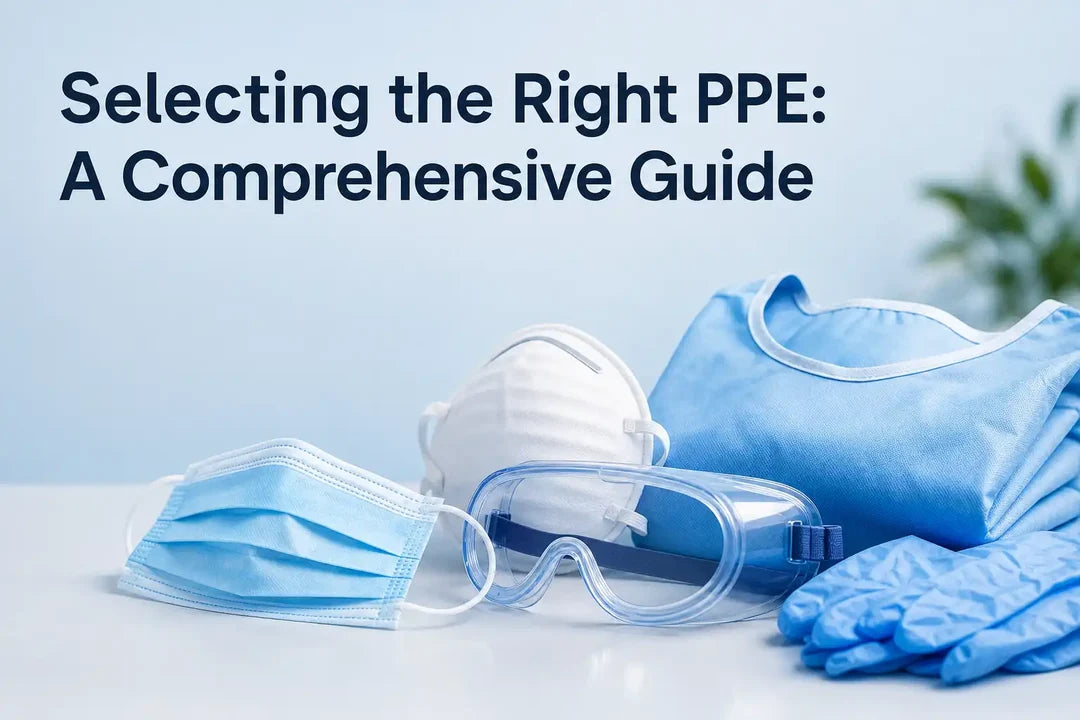
Personal protective equipment encompasses a wide range of items designed to protect users from health or safety risks at work. The primary categories of PPE include:

- Gowns: Essential for protecting against fluid exposure. Isolation gowns, such as the Blue SMS Isolation Gown, provide a barrier against contaminants.
- Masks: Critical for respiratory protection, especially during procedures that generate aerosols.
- Gloves: Used to prevent cross-contamination during patient interactions.
- Face Shields and Goggles: Protect the eyes and face from splashes and sprays.
The importance of PPE in healthcare settings cannot be overstated. Proper use of PPE reduces the risk of infections and enhances safety during medical procedures. Regulatory standards, such as those set by the American National Standards Institute (ANSI) and the Occupational Safety and Health Administration (OSHA), guide the selection and use of PPE to ensure maximum protection.
Checklist of PPE Types and Their Specific Applications
| PPE Type | Application |
|---|---|
| Isolation Gowns | Used for procedures with potential fluid exposure. |
| Surgical Masks | Recommended during surgical procedures and patient interactions. |
| Gloves | Worn during examinations and when handling contaminated materials. |
| Face Shields | Essential for protection against splashes during procedures. |
Assessing Risk Levels
Assessing the risk level in your medical environment is a crucial step in determining the appropriate PPE. The first step is to identify potential hazards that may arise in your specific setting.
Identifying Potential Hazards
Consider the following factors:
- Types of procedures performed
- Patient population and their health status
- Potential exposure to infectious materials
Evaluating Patient Interactions and Procedures
Understanding the nature of patient interactions is vital. For example, high-risk procedures, such as intubation, require more stringent PPE than routine examinations. Regularly evaluate the risk associated with different procedures and adjust your PPE accordingly.
Understanding the Concept of Risk Assessment
Risk assessment involves determining the likelihood of exposure to hazards and the severity of potential outcomes. Utilizing a risk assessment matrix can help clarify the necessary level of protection:
| Risk Level | PPE Recommendation |
|---|---|
| Low | Basic gloves and surgical masks |
| Medium | Isolation gowns and face shields |
| High | Full protective gear, including N95 respirators and isolation gowns |
By systematically assessing risk levels, healthcare professionals can make informed decisions about the PPE they need, ensuring they are adequately protected while providing care.
Choosing the Right Isolation Gown
Isolation gowns play a critical role in protecting healthcare professionals from exposure to infectious agents and contaminants. When selecting the appropriate gown, it is essential to consider the AAMI (Association for the Advancement of Medical Instrumentation) levels, which indicate the protection level provided by the gown.
Understanding AAMI Levels
AAMI levels range from Level 1 to Level 4, each designed for different risk exposure scenarios:
- AAMI Level 1: Minimal risk; suitable for basic patient care.
- AAMI Level 2: Low risk; used in situations with minimal exposure to fluids.
- AAMI Level 3: Moderate risk; ideal for procedures where there is a risk of fluid penetration.
- AAMI Level 4: High risk; provides the highest level of protection against blood and bodily fluids.
For example, a Blue SMS Isolation Gown is classified as AAMI Level 3, offering significant protection against fluids while ensuring comfort and ease of movement. This makes it suitable for various medical procedures where exposure risk is moderate.
Disposable vs. Reusable Gowns
When selecting an isolation gown, you must decide between disposable and reusable options:
- Disposable Gowns: Designed for single-use, these gowns are typically made from lightweight materials. They are convenient and reduce the risk of cross-contamination but may not provide the same level of comfort and durability as reusable options.
- Reusable Gowns: Made from heavier materials, these gowns can withstand multiple washes. While they are more environmentally friendly and cost-effective in the long run, they require proper maintenance to ensure safety and effectiveness.
Factors to Consider
When selecting an isolation gown, consider the following factors:
- Size: Ensure the gown fits comfortably. Gowns that are too tight can restrict movement, while those that are too loose may not provide adequate protection.
- Material: Look for gowns made from high-quality, multi-layer materials that offer fluid resistance while remaining breathable.
- Comfort: Features such as knit cuffs and adjustable neck closures can enhance comfort and usability, making it easier to wear for extended periods.
To assist in making an informed decision, consider creating a decision rule that outlines the specific AAMI level required for different procedures and situations. This can serve as a quick reference to streamline your gown selection process.
Importance of Proper Fit
The fit of your PPE, especially isolation gowns, is paramount for ensuring maximum protection and comfort. An improper fit can lead to several issues that compromise safety and effectiveness.
How Improper Fit Can Compromise Safety
Wearing a gown that does not fit correctly can expose healthcare professionals to potential hazards. For instance:
- Too Loose: Gowns that are overly large may allow contaminants to enter through gaps, reducing the protective barrier.
- Too Tight: Gowns that fit too snugly can restrict movement, making it difficult to perform necessary tasks and increasing the risk of accidents.
Guidelines for Measuring and Selecting Sizes
To ensure a proper fit, follow these guidelines:
- Measure Your Body: Take measurements of your chest, waist, and sleeve length. Use these measurements to select the appropriate gown size according to the manufacturer's sizing chart.
- Consider Layering: If you plan to wear additional PPE, such as gloves or masks, factor this into your size selection to ensure comfort and mobility.
Common Fit Issues and Solutions
Here are some common fit issues and their solutions:
| Fit Issue | Solution |
|---|---|
| Gown slips off shoulders | Choose a gown with adjustable ties or snaps for a secure fit. |
| Gown restricts arm movement | Select a gown with a relaxed fit or consider a larger size. |
| Gown is too short | Opt for a longer gown or one specifically designed for your height. |
By paying attention to the fit of your isolation gown, you can enhance your safety and comfort in a medical environment. This attention to detail ultimately supports better patient care and protection against infectious agents.
Maintenance and Disposal of PPE
Ensuring the longevity and effectiveness of personal protective equipment (PPE) is crucial in any healthcare environment. Proper maintenance and disposal practices not only protect the users but also contribute to overall safety standards. Here’s how to manage your PPE effectively:
Best Practices for Cleaning and Storing Reusable PPE
Reusable PPE, such as gowns and masks, requires specific care to maintain their protective capabilities. Follow these best practices:
- Follow Manufacturer Instructions: Always adhere to the guidelines provided by the manufacturer for cleaning and maintaining PPE. This ensures that the equipment retains its protective qualities.
- Use Appropriate Cleaning Agents: Utilize approved disinfectants that are effective against the pathogens encountered in your medical setting. Avoid harsh chemicals that may degrade the material.
- Regular Inspections: Routinely check reusable PPE for signs of wear and tear. Inspect seams, straps, and any closures to ensure they are intact and functioning properly.
- Safe Storage: Store cleaned PPE in a designated area that is free from contaminants. Ensure that it is kept in a cool, dry place to prevent damage.
Guidelines for Safe Disposal of Disposable PPE
Disposable PPE, such as the Blue SMS Isolation Gown, should be discarded properly to prevent contamination and ensure safety. Here are essential guidelines:
- Follow Local Regulations: Always comply with local waste disposal regulations regarding medical waste. This includes adhering to guidelines for hazardous materials.
- Designate Waste Containers: Use clearly marked containers for disposing of used PPE. Ensure these containers are easily accessible to staff to encourage proper disposal practices.
- Do Not Reuse: Never attempt to clean or reuse disposable PPE. These items are designed for single use and should be discarded immediately after use.
- Educate Staff: Conduct training sessions for healthcare workers on the importance of proper PPE disposal. Awareness can significantly reduce contamination risks.
Environmental Considerations in PPE Disposal
As the use of PPE has increased, so has the environmental impact of disposed materials. Consider the following:
- Eco-Friendly Alternatives: When possible, opt for environmentally friendly PPE options that are designed to break down more easily than traditional materials.
- Recycling Programs: Investigate whether your facility can participate in recycling programs for specific PPE materials. Some organizations offer recycling solutions for used medical equipment.
- Reduce Waste: Implement strategies to minimize the use of disposable items where feasible. This can include using multi-use items or optimizing supply ordering to avoid excess waste.
Staying Updated on PPE Regulations
In the ever-evolving landscape of healthcare, staying informed about PPE regulations is vital for compliance and safety. Here’s how to keep your knowledge current:
Overview of Key Regulatory Bodies and Their Guidelines
Several regulatory bodies govern PPE standards, including:
- OSHA (Occupational Safety and Health Administration): Provides guidelines on PPE use to ensure worker safety.
- CDC (Centers for Disease Control and Prevention): Offers recommendations on PPE usage in healthcare settings, especially during outbreaks.
- NIOSH (National Institute for Occupational Safety and Health): Sets standards for respiratory protection and other PPE.
Impact of Regulations on PPE Selection
Regulatory guidelines impact PPE selection in several ways:
- Quality Assurance: Adhering to regulations ensures that the PPE used meets safety standards, protecting healthcare workers effectively.
- Training Requirements: Regulations often dictate training for staff on proper PPE usage, enhancing overall safety.
- Liability Considerations: Compliance with regulations can protect healthcare facilities from legal repercussions related to improper PPE use.
Resources for Staying Informed
To keep up with the latest in PPE regulations, consider these reliable sources:
- OSHA Website - For updates on workplace safety regulations.
- CDC Website - For guidelines related to healthcare practices and PPE use.
- NIOSH Website - For the latest information on respiratory protection and PPE standards.
- FDA Website - For regulations concerning the approval and use of medical devices and PPE.
By implementing effective maintenance practices and staying informed about regulations, healthcare professionals can ensure they are adequately protected while safeguarding the health of their patients and the environment.
Frequently Asked Questions
1. What is the importance of personal protective equipment (PPE) in healthcare?
2. What are the main types of PPE used in healthcare environments?
3. How can healthcare professionals assess the risk levels in their medical environments?
4. What are AAMI levels and why are they important for isolation gowns?
5. What are best practices for disposing of disposable PPE?
Glossary
| Term | Meaning |
|---|---|
| PPE | Personal protective equipment used to safeguard against health risks. |
| Isolation Gown | A gown used to protect against fluid exposure during medical procedures. |
| AAMI Levels | Classification indicating the protection level of medical gowns. |
| Disposable Gowns | Single-use gowns that reduce cross-contamination risks. |
| Reusable Gowns | Durable gowns designed for multiple uses with proper care. |
| Risk Assessment | Evaluating potential hazards and determining necessary PPE. |
| OSHA | Occupational Safety and Health Administration; sets PPE safety standards. |
| CDC | Centers for Disease Control and Prevention; provides PPE usage recommendations. |
| Cross-Contamination | Transfer of harmful substances from one surface to another. |
| Fit Issues | Problems related to the proper sizing and comfort of PPE. |
Linked Product

Medline Disposable AAMI Level 3 Blue SMS Isolation Gown
The Medline Disposable AAMI Level 3 Blue SMS Isolation Gown provides reliable protection against fluids in a variety of settings. Designed for comfort, it features long waist ties, knit cuffs, and a secure hook-and-loop neck closure. This gown is generously sized and color-coded to signify compliance with AAMI Level 3 standards, making it suitable for healthcare environments requiring a high level of barrier protection.
View Product