
Overview
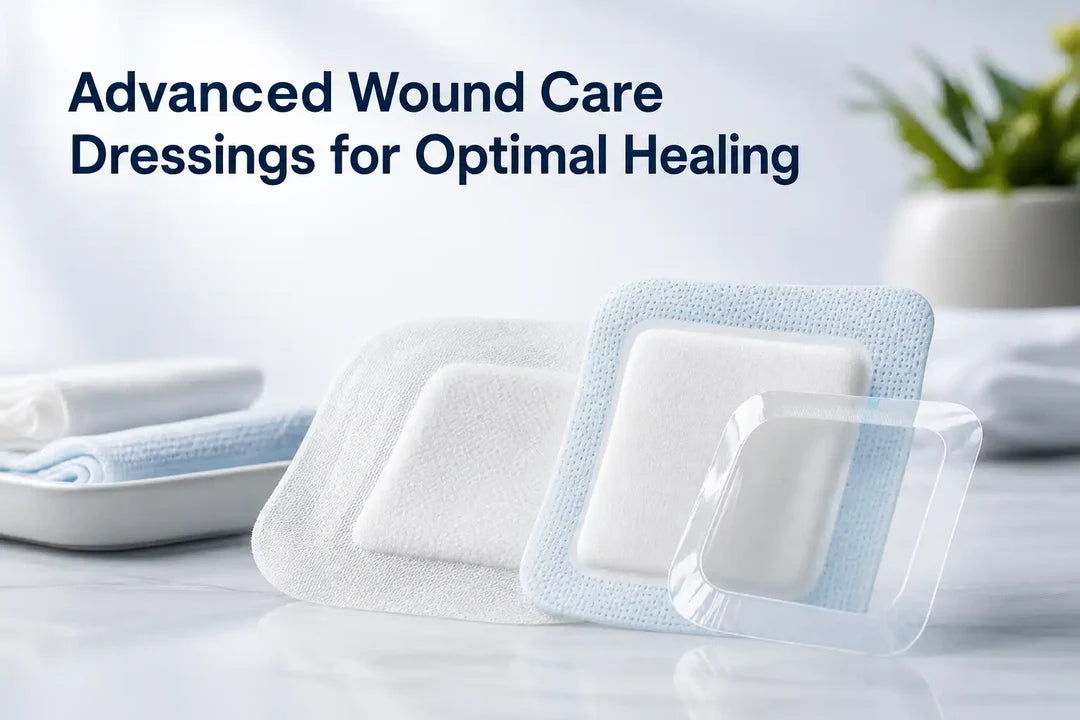
Selecting the right wound care dressing is vital for effective healing and patient comfort. This guide details various advanced dressings, including absorbent, transparent film, compression, and post-operative options, along with practical tips for choosing and applying them. Understanding the specific needs of each wound type will help ensure optimal care and recovery.
Table of Contents
- Understanding Wound Care Dressings
- Types of Wound Care Dressings
- Choosing the Right Dressing for Your Needs
- Factors to Consider
- Indications and Contraindications
- Medline OptiLock Nonadhesive Super Absorbent Wound Dressings
- Medline SureSite 123 Transparent Film Dressing
- Medline TwoFlex 2-Layer Compression System
- Medline Optifoam Gentle Post-Op Foam Wound Dressings
- Integrating Advanced Dressings into Care Plans
Key Takeaways
- Wound care dressings are essential for preventing infection and promoting healing.
- Absorbent dressings are best for high-exudate wounds, while transparent film dressings allow for wound monitoring.
- Compression dressings are indicated for venous diseases and should not be used on arterial wounds.
- Post-operative dressings provide comfort and protection but must not be applied to infected wounds.
- When selecting a dressing, consider wound size, exudate level, and location on the body.
- Patient education is crucial for effective use of dressings like the Medline TwoFlex and Optifoam.
- Regular monitoring and adjustments to dressing types are necessary to optimize healing outcomes.
Comparison at a Glance
| Option | Best for | Strengths | Trade-offs |
|---|---|---|---|
| Medline OptiLock Nonadhesive Super Absorbent Wound Dressings | High-exudate wounds | Super-absorbent core, protects surrounding skin, nonadherent for easy removal | Not suitable for dry or minimally exudating wounds |
| Medline SureSite 123 Transparent Film Dressing | Monitoring wounds | Allows for continuous observation, moisture vapor transmission, versatile | May not be suitable for highly exudative conditions |
| Medline TwoFlex 2-Layer Compression System | Venous diseases and lymphedema | Combines therapeutic compression with comfort, promotes patient independence | Requires proper application to avoid excessive compression |
| Medline Optifoam Gentle Post-Op Foam Wound Dressings | Post-operative care | Waterproof and breathable, super absorbent, reduces dressing change frequency | Potential sensitivity to silicone in some patients |
Choosing the right wound care dressing is essential for promoting healing and ensuring patient comfort. This comprehensive guide explores various types of advanced wound care dressings, their applications, and practical tips for selecting and using them effectively.
Understanding Wound Care Dressings
Wound care dressings are protective coverings designed to prevent infection and promote healing. Selecting the appropriate dressing is crucial, as it influences moisture retention, exudate absorption, and protection from external contaminants.
Types of Wound Care Dressings
Different types of wound care dressings serve specific purposes:
- Absorbent Dressings: Ideal for wounds with high exudate levels, these dressings contain super-absorbent materials to manage moisture and prevent skin maceration.
- Transparent Film Dressings: These allow for continuous observation of the wound while providing a barrier against bacteria and moisture loss.
- Compression Dressings: Primarily used for venous diseases and lymphedema, these dressings apply pressure to reduce swelling and improve circulation.
- Post-operative Dressings: Designed for surgical wounds, these dressings are often waterproof and breathable to ensure comfort and protection during the healing process.
Choosing the Right Dressing for Your Needs
Selecting the appropriate wound care dressing involves considering several factors to ensure effective healing.
Factors to Consider
- Wound Size: The dressing must adequately cover the wound to protect it from infection and promote healing.
- Exudate Level: Understanding the fluid production of the wound helps in selecting a dressing that can manage that level effectively.
- Location: The dressing should be suitable for the specific body part, considering mobility and pressure points.
Indications and Contraindications
Each type of dressing has specific indications for use:
- Absorbent dressings like the Medline OptiLock Nonadhesive Super Absorbent Wound Dressings are ideal for high-exudate wounds but should not be used on dry or minimally exudating wounds.
- Transparent film dressings, such as the Medline SureSite 123 Transparent Film Dressing, are excellent for monitoring wounds but may not be suitable for highly exudative conditions.
- Compression dressings like the Medline TwoFlex 2-Layer Compression System are indicated for venous ulcers but should be avoided in arterial wounds.
- Post-operative dressings, such as the Medline Optifoam Gentle Post-Op Foam Wound Dressings, provide comfort and protection after surgery but should not be used on infected wounds.
Medline OptiLock Nonadhesive Super Absorbent Wound Dressings
The Medline OptiLock Nonadhesive Super Absorbent Wound Dressings are designed to efficiently manage wounds producing high volumes of exudate. Featuring a super-absorbent polymer core, these dressings protect the surrounding skin from maceration, a common complication that can impede healing. The nonadherent wound contact layer allows for easy removal, crucial for patient comfort and minimizing trauma during dressing changes.

These dressings are indicated for various types of wounds, including pressure injuries, partial and full-thickness wounds, leg ulcers, lacerations, and abrasions. However, they should not be used on third-degree burns or nonexudating wounds. The OptiLock dressings feature a waterproof outer layer, making them suitable for a range of applications, from hospital settings to home care.
To apply the OptiLock dressing, follow these steps:
- Clean the wound area gently with saline or an appropriate wound cleanser.
- Choose the appropriate size dressing to ensure complete coverage of the wound.
- Carefully remove the dressing from its packaging, avoiding contact with the adhesive side.
- Place the dressing directly over the wound, ensuring that it adheres well to the surrounding skin.
- Secure the dressing in place if needed, using additional tape or a secondary dressing.
Medline SureSite 123 Transparent Film Dressing
For situations requiring a versatile dressing, the Medline SureSite 123 Transparent Film Dressing offers an excellent solution. This transparent film is easy to apply and features a traditional moisture vapor transmission rate (MVTR), crucial for maintaining an optimal healing environment by allowing moisture to escape while preventing external contaminants from entering.

This dressing is conformable and does not stick to itself, making it suitable for securing IV lines and other medical devices. With a wear time of up to seven days, the SureSite dressing can serve as both a primary and secondary dressing, enhancing its utility in various clinical scenarios.
To apply the SureSite dressing effectively, consider the following tips:
- Ensure the skin is clean and dry before application to maximize adhesion.
- Remove the backing carefully to avoid touching the adhesive surface.
- Position the dressing over the wound or IV site, ensuring it is centered.
- Press down firmly around the edges to secure the dressing in place.
These transparent film dressings are particularly beneficial in settings where frequent monitoring is necessary, as they allow for continuous observation of the wound without the need for removal.
Medline TwoFlex 2-Layer Compression System
The Medline TwoFlex 2-Layer Compression System is designed specifically to manage venous diseases and lymphedema effectively. This system combines therapeutic compression with patient comfort, making it a valuable tool in advanced wound care.

This compression system features two layers: the first is a flexible foam bandage that provides padding, while the second is a short stretch cohesive compression layer that can be easily torn by hand. It is essential for caregivers to understand when to use this type of dressing. Generally, the TwoFlex system is indicated for patients with:
- Venous leg ulcers
- Lymphedema
- Post-surgical edema
Incorporating patient education is crucial. The system comes with a take-home education card and a nylon stocking that makes it easier for patients to apply the dressing themselves. This not only promotes independence but also enhances compliance with treatment plans.
When applying the TwoFlex system, ensure that the first layer is snug but not overly tight, as excessive compression can impede circulation. Use the cohesive layer to secure the dressing in place, applying it at full stretch for optimal effectiveness.
Medline Optifoam Gentle Post-Op Foam Wound Dressings
For post-operative care, the Medline Optifoam Gentle Post-Op Foam Wound Dressings stand out due to their design and functionality. These dressings are both waterproof and breathable, ensuring patient comfort while protecting the wound site.

The super absorbent core of the Optifoam dressing is particularly beneficial for managing exudate, as it locks in fluid and protects the skin surrounding the wound. This is crucial for preventing maceration, which can complicate healing.
These dressings are designed for wear times of up to seven days, significantly reducing the frequency of dressing changes and minimizing disruption to the healing process. When applying the Optifoam dressing, consider the following:
- Ensure the wound is clean and dry before application.
- Press the dressing firmly around the edges to create a secure seal.
- Monitor the dressing for signs of leakage or infection.
While Optifoam dressings are highly effective, caregivers should also be aware of patient sensitivities or allergies to silicone, as the dressing features a silicone-faced foam which aids in gentle removal.
Integrating Advanced Dressings into Care Plans
Incorporating advanced wound care dressings like the TwoFlex and Optifoam into patient care plans requires collaboration among healthcare teams. Regular monitoring and adjustments based on healing progress are essential for optimizing patient outcomes.
Consider implementing the following strategies in care plans:
- Assess the wound regularly to determine if the current dressing is still appropriate.
- Educate patients on the importance of adhering to dressing protocols and signs of complications.
- Maintain open communication with the patient and their family to ensure comfort and understanding of the treatment process.
A sample care plan template could include sections for wound assessment, dressing type, application instructions, and follow-up schedules. This structured approach not only enhances care delivery but also empowers patients in their healing journey.
Frequently Asked Questions
1. What are wound care dressings?
2. What are the types of wound care dressings?
3. How do I choose the right dressing for a wound?
4. What should I know about the Medline OptiLock Nonadhesive dressing?
5. How do I apply the Medline SureSite Transparent Film Dressing?
Glossary
| Term | Meaning |
|---|---|
| Wound Care Dressing | A protective covering that promotes healing and prevents infection. |
| Absorbent Dressing | Designed for high-exudate wounds, managing moisture effectively. |
| Transparent Film Dressing | A clear dressing that allows for wound observation while protecting against contaminants. |
| Compression Dressing | Applied pressure to reduce swelling and improve circulation in venous diseases. |
| Post-operative Dressing | Waterproof and breathable dressing used on surgical wounds for comfort and protection. |
| Exudate Level | The amount of fluid produced by a wound, influencing dressing selection. |
| Moisture Vapor Transmission Rate (MVTR) | The rate at which moisture escapes through a dressing, important for healing. |
| Patient Education | Informing patients about dressing application and care for better compliance. |
| Maceraion | Skin breakdown due to excessive moisture, often needing absorbent dressings. |
| Care Plan | A structured approach to managing wound care, including assessment and dressing type. |