
Overview
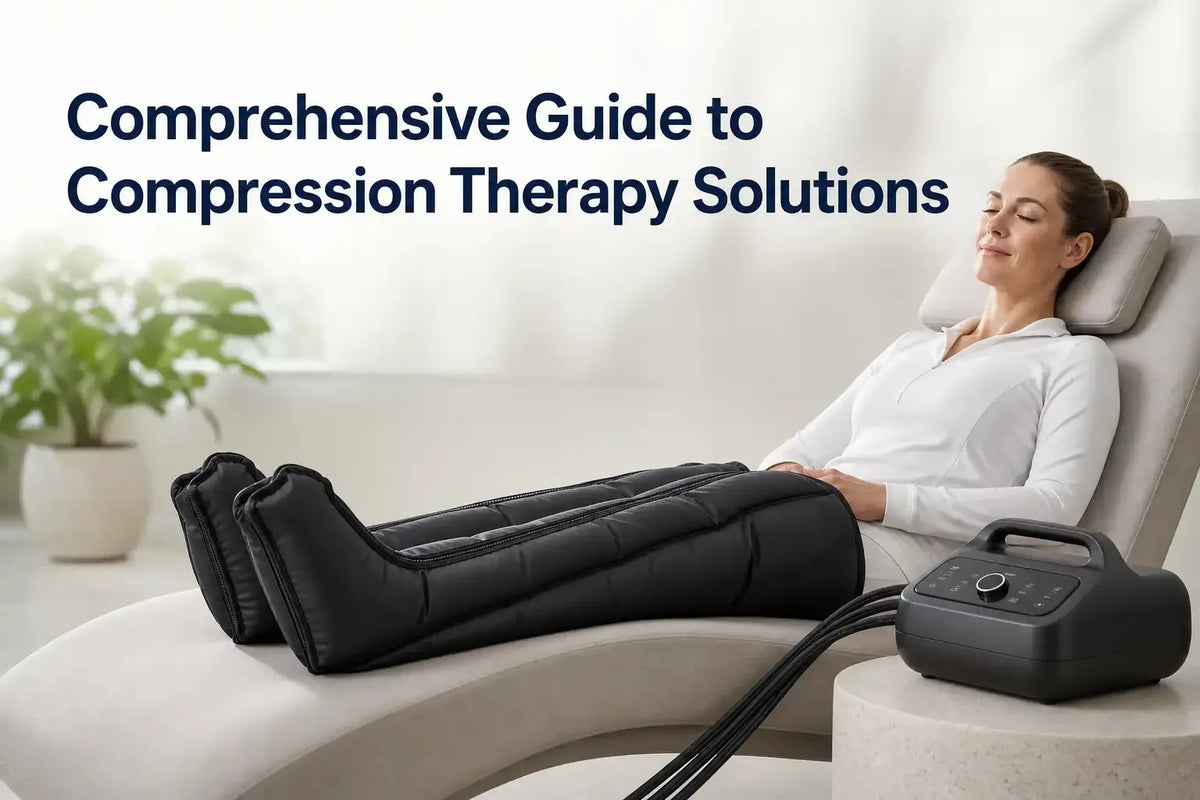
This article delves into the significance of compression therapy in promoting recovery and enhancing circulation for various medical conditions. Readers will gain insights into different compression products, including full leg and half leg systems, as well as sequential compression circulators, all designed to improve healing and prevent complications like Deep Vein Thrombosis (DVT). By understanding these solutions from Neomedic, both healthcare professionals and patients can make informed choices to optimize treatment outcomes.
Table of Contents
- Understanding Compression Therapy
- Types of Compression Therapy Products
- Full Leg vs. Half Leg Systems
- Sequential Compression Circulators
- Neomedic Recovery Boots: Full Leg vs. Half Leg
- Features of the Full Leg System
- Benefits of the Half Leg System
- User Scenarios for Each Product
- Gradient Sequential Compression Circulator
- How the Circulator Works
- Benefits for Patients with Limited Mobility
- Ideal Use Cases in Clinical Settings
- DVT Prophylaxis with Neomedic PowerPress
- Integrating Compression Therapy into Holistic Healthcare
Key Takeaways
- Compression therapy enhances recovery: It improves blood flow, reduces swelling, and prevents complications associated with poor circulation.
- Types of products: Options include full leg systems for comprehensive treatment and half leg systems for targeted therapy.
- Sequential compression circulators: These devices mimic natural muscle contractions, enhancing venous return and reducing DVT risk.
- DVT prevention: The Neomedic PowerPress system significantly reduces DVT risk by promoting blood circulation in immobile patients.
- Holistic healthcare integration: Combining compression therapy with other treatments can improve overall patient outcomes and satisfaction.
- User scenarios matter: Full leg systems are ideal for extensive recovery, while half leg systems are better for localized issues and portability.
- Patient education is key: Informing patients about the benefits and proper usage of compression therapy empowers them in their recovery journey.
Comparison at a Glance
| Option | Best for | Strengths | Trade-offs |
|---|---|---|---|
| Neomedic Recovery Boots Compression Leg Massage System Full Leg | Patients recovering from lower limb surgeries | Comprehensive coverage from foot to thigh, enhances overall circulation | Less portable, may be cumbersome for some users |
| Neomedic Recovery Boots Compression Leg Massage System Half Leg | Individuals with localized swelling | Targeted treatment for calf and ankle areas, more portable | Limited coverage, may not suit all recovery needs |
| Neomedic Gradient Sequential Compression Circulator | Patients with limited mobility | Mimics natural muscle contractions, effective for DVT prevention | Requires setup and monitoring, may be less accessible for home use |
| Neomedic PowerPress Intermittent DVT Prophylaxis System | Post-operative care and long-term immobility management | Reduces DVT risk, promotes venous return | May require professional oversight for optimal use |
Compression therapy is essential for promoting recovery and enhancing circulation across various medical conditions. By understanding how compression works and the types of products available, healthcare professionals and patients can significantly improve healing, especially for those with mobility challenges or recovering from surgery. This article explores effective compression therapy solutions from Neomedic, a reputable brand in medical supplies.
Understanding Compression Therapy
Compression therapy involves applying pressure to the body using specialized garments or devices. This pressure improves blood flow, reduces swelling, and prevents complications associated with poor circulation. By enhancing venous return, compression therapy aids recovery for various conditions, including:

- Chronic venous insufficiency
- Post-surgical recovery
- Deep vein thrombosis (DVT) prevention
- Edema and lymphedema management
Recognizing the benefits of compression therapy can lead to better treatment outcomes, particularly for individuals who are immobile or have restricted movement, as it helps maintain circulation and minimizes the risk of blood clots.
Types of Compression Therapy Products
Various compression therapy products cater to different needs. Understanding these options can help in selecting the right solution for recovery or preventive care.
Full Leg vs. Half Leg Systems
Compression systems are categorized into full leg and half leg models. The choice between the two typically depends on the area requiring treatment:
| Product Type | Description | Best For |
|---|---|---|
| Neomedic Recovery Boots Compression Leg Massage System Full Leg | Covers the entire leg from foot to thigh, providing comprehensive compression therapy. | Patients recovering from lower limb surgeries or those with extensive swelling. |
| Neomedic Recovery Boots Compression Leg Massage System Half Leg | Covers the lower leg only, targeting specific areas that may require focused treatment. | Individuals with localized swelling or those needing compression in the calf area. |
Sequential Compression Circulators

Sequential compression circulators, such as the Neomedic Gradient Sequential Compression Circulator, provide dynamic compression by inflating and deflating chambers in sequence. This method mimics natural muscle contractions, enhancing venous return and reducing the risk of blood clots. They are ideal for patients with limited mobility, especially in clinical settings.
Additionally, the Neomedic PowerPress Intermittent DVT Prophylaxis System offers targeted compression to prevent blood clots, making it crucial for post-operative care and long-term immobility management.
Neomedic Recovery Boots: Full Leg vs. Half Leg
The Neomedic Recovery Boots Compression Leg Massage System Full Leg and the Half Leg versions enhance recovery through targeted compression therapy. Both systems utilize pneumatic technology to provide a rhythmic massage that promotes circulation and reduces muscle soreness.

Features of the Full Leg System
The full leg system covers the entire leg, from foot to thigh, providing comprehensive massage and compression. This is particularly beneficial for individuals recovering from surgeries, injuries, or conditions affecting the entire leg. The full leg design ensures that all muscle groups are engaged, maximizing the therapy's effectiveness.
Benefits of the Half Leg System
The half leg system focuses on the lower leg, making it a more portable and user-friendly option for those who may not require full leg coverage. It is ideal for patients experiencing issues in the calf and ankle areas, such as swelling or discomfort due to prolonged sitting or standing. This targeted approach allows for precise treatment of localized conditions.
User Scenarios for Each Product
- Full Leg System: Best suited for athletes in recovery, patients post-surgery, or anyone with chronic venous insufficiency.
- Half Leg System: Ideal for office workers experiencing lower leg fatigue or individuals with limited mobility needing focused therapy.
When deciding between the full leg and half leg systems, consider the specific needs of the user. If full leg support is necessary for recovery or therapy, the full leg system is the clear choice. However, if portability and targeted treatment are priorities, the half leg system may be more appropriate.
Gradient Sequential Compression Circulator
The Neomedic Gradient Sequential Compression Circulator offers a sophisticated approach to compression therapy, utilizing a gradient system to enhance blood flow and reduce the risk of complications such as Deep Vein Thrombosis (DVT). This device is particularly beneficial for patients with limited mobility or those who are bedridden.

How the Circulator Works
This circulator employs a sequential compression method that applies pressure in a specific order, promoting effective venous return. By gradually inflating and deflating the chambers, it mimics the natural muscle contractions that occur during movement, enhancing circulation and reducing swelling.
Benefits for Patients with Limited Mobility
For patients who cannot move easily, such as those recovering from surgery or dealing with chronic illnesses, this device can significantly improve comfort and recovery outcomes. It helps prevent blood clots and encourages faster healing by increasing blood flow to affected areas.
Ideal Use Cases in Clinical Settings
In clinical environments, the Gradient Sequential Compression Circulator is invaluable. It can be used pre- and post-surgery to reduce the risk of DVT or during rehabilitation to enhance recovery. Healthcare providers should integrate this device into patient care protocols wherever appropriate.
To use the circulator effectively, follow these steps: first, ensure the device is properly set up according to the manufacturer’s instructions. Next, assist the patient in positioning their legs comfortably. Finally, adjust the settings to match the patient's needs and monitor their response throughout the therapy session.
DVT Prophylaxis with Neomedic PowerPress
Deep Vein Thrombosis (DVT) is a serious condition that occurs when a blood clot forms in a deep vein, often in the legs. This condition can lead to significant complications, including pulmonary embolism, which can be fatal. Understanding the risks associated with DVT is crucial for both healthcare providers and patients, especially in settings where mobility is limited, such as post-surgery or during long periods of inactivity.
The Neomedic PowerPress Intermittent DVT Prophylaxis System is designed to significantly reduce the risk of DVT by promoting blood circulation in the legs. This system utilizes intermittent pneumatic compression, mimicking the natural muscle contractions that occur during movement. By applying controlled pressure to the legs, the PowerPress system facilitates venous return and prevents blood stagnation, thereby reducing the risk of clot formation.

Clinical evidence supports the effectiveness of the PowerPress system in reducing the incidence of DVT, particularly in high-risk populations. By integrating this system into patient care protocols, healthcare providers can enhance patient safety and improve recovery outcomes. Below is a checklist for implementing DVT prophylaxis protocols using the PowerPress system:
- Assess patient risk factors for DVT (e.g., surgery, immobility).
- Educate patients on the importance of DVT prevention.
- Incorporate the PowerPress system into daily care routines.
- Monitor patient responses and adjust protocols as necessary.
- Document outcomes and any incidents of DVT for continuous improvement.
Integrating Compression Therapy into Holistic Healthcare
Compression therapy plays a vital role in holistic healthcare, addressing not only physical ailments but also enhancing overall well-being. By combining compression therapy with other treatment modalities, healthcare providers can offer a more comprehensive approach to patient care.
One of the key benefits of integrating compression therapy is its ability to improve circulation, aiding in recovery and enhancing the effectiveness of other treatments. For instance, when used alongside physical therapy, compression devices like the Neomedic Recovery Boots Compression Leg Massage System can help patients achieve better mobility and faster recovery times.
Patient testimonials often highlight the positive effects of compression therapy on their recovery journeys, including reduced pain and swelling, increased mobility, and overall satisfaction with treatment plans. Educating patients about these benefits empowers them to take an active role in their health management.
However, practitioners should be mindful of certain caveats when recommending compression therapy. It is essential to evaluate each patient's individual needs and potential contraindications, such as certain cardiovascular conditions. By doing so, healthcare providers can ensure that compression therapy is both safe and effective for their patients.
In conclusion, integrating compression therapy into holistic healthcare not only enhances recovery but also fosters a collaborative relationship between patients and providers, ultimately leading to better health outcomes.
Frequently Asked Questions
1. What is compression therapy?
2. What conditions can benefit from compression therapy?
3. What types of compression therapy products are available?
4. What is the difference between the full leg and half leg compression systems?
5. How can compression therapy be integrated into holistic healthcare?
Glossary
| Term | Meaning |
|---|---|
| Compression Therapy | Application of pressure to improve blood flow and reduce swelling. |
| DVT | Deep Vein Thrombosis; a blood clot in a deep vein, often in the legs. |
| Edema | Swelling caused by excess fluid trapped in body tissues. |
| Lymphedema | Swelling due to lymph fluid buildup, often after surgery. |
| Sequential Compression | Dynamic compression method that inflates and deflates in a sequence. |
| Neomedic Recovery Boots | Compression devices designed for leg massage and circulation improvement. |
| Gradient Compression | A compression technique that varies pressure across the limb. |
| DVT Prophylaxis | Preventive measures to reduce the risk of deep vein thrombosis. |
| Full Leg System | Compression system covering the entire leg for comprehensive therapy. |
| Half Leg System | Compression system targeting the lower leg for localized treatment. |