
Overview
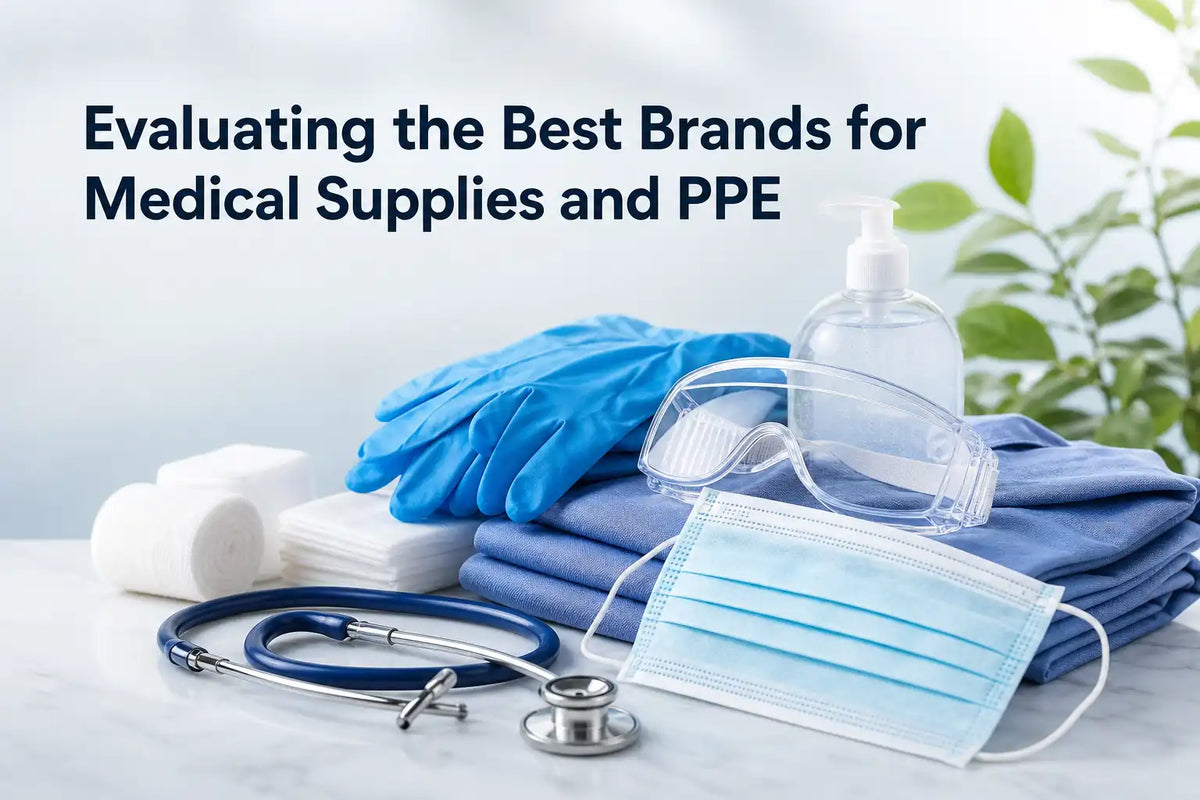
This article serves as a comprehensive guide for healthcare professionals and procurement managers on selecting the best brands for medical supplies and personal protective equipment (PPE). Readers will learn how to evaluate brands based on essential criteria such as reputation, quality certifications, and customer service, while also understanding the importance of compliance with regulatory standards. By the end, you'll be equipped with the knowledge to make informed decisions that enhance patient safety and care quality.
Table of Contents
- Understanding Medical Supplies and PPE
- Definition of Medical Supplies and PPE
- Importance in Healthcare Settings
- Regulatory Standards and Compliance
- Essential Medical Supplies and PPE Categories Checklist
- Key Factors for Evaluating Brands
- Reputation and History of the Brand
- Quality Certifications and Compliance
- Customer Service and Support
- Decision Rule for Scoring Brands Based on Key Factors
- Comparing Product Quality and Safety
- Understanding Product Specifications
- Importance of Sterile and Non-Latex Options
- Evaluating Safety Features like 5G Protection
- Researching Brand Reviews and Feedback
- Where to Find Reliable Reviews
- How to Differentiate Between Genuine and Biased Reviews
- The Role of Professional Recommendations
- Cost vs. Quality: Making the Right Choice
- Understanding Pricing Structures
- The Impact of Quality on Long-Term Costs
- When to Invest in Higher-Quality Products
- Staying Updated on Industry Trends
- Emerging Technologies in Medical Supplies
- Regulatory Changes Affecting Product Availability
- Trends in Consumer Preferences
Key Takeaways
- Quality and Compliance: Ensure medical supplies and PPE adhere to FDA and CDC regulations for safety and effectiveness.
- Brand Reputation: Investigate the history and reputation of brands, focusing on years in operation and industry recognitions.
- Customer Support: Evaluate brands based on the availability and responsiveness of their customer service.
- Product Specifications: Assess the material composition, dimensions, and sterility of medical supplies to meet clinical needs.
- Cost vs. Quality: Balance the initial purchase cost with the long-term benefits of high-quality medical supplies.
- Stay Informed: Keep up with emerging technologies and regulatory changes that affect medical supply procurement.
- Research Reviews: Utilize healthcare forums and professional recommendations to gather trustworthy insights on brands.
In healthcare, the quality of medical supplies and personal protective equipment (PPE) is crucial for patient outcomes and safety. For healthcare professionals and procurement managers, selecting the right brands ensures reliability and compliance with industry standards. This guide will help you evaluate the best brands for medical supplies and PPE, focusing on essential criteria and key factors to consider.
Understanding Medical Supplies and PPE
Medical supplies encompass a wide range of products used in healthcare settings, including diagnostic tools, surgical instruments, and consumables like dressings and sterile disposable drapes. PPE refers to equipment designed to protect healthcare workers from exposure to infectious agents and hazardous materials. Understanding the importance of these items is vital for maintaining safety and efficiency in medical environments.

Definition of Medical Supplies and PPE
- Medical Supplies: Items used for patient care, diagnostics, and treatment.
- PPE: Gear designed to shield workers from health risks, including masks, gloves, gowns, and face shields.
Importance in Healthcare Settings
The role of medical supplies and PPE in healthcare cannot be overstated. They are essential for:
- Ensuring patient safety and preventing infections.
- Providing healthcare workers with necessary protection against exposure to pathogens.
- Complying with regulatory standards to maintain accreditation and certification.
Regulatory Standards and Compliance
Medical supplies and PPE must adhere to strict regulatory standards set by organizations such as the FDA and CDC. Compliance ensures that products are safe and effective for use. When evaluating brands, consider their adherence to these regulations as a key factor.
Essential Medical Supplies and PPE Categories Checklist
- Surgical instruments
- Diagnostic tools (e.g., thermometers, blood pressure monitors)
- Dressings and wound care supplies
- Sterile disposable drapes
- PPE (masks, gloves, gowns, face shields)
Key Factors for Evaluating Brands
When assessing brands for medical supplies and PPE, several critical criteria should guide your decision-making process. Ensuring that you choose reputable and reliable brands can significantly impact the quality of care provided.
Reputation and History of the Brand
Start by investigating the brand's reputation in the healthcare industry. A longstanding history often indicates reliability and trustworthiness. Look for:
- Years in operation
- Industry awards and recognitions
- Partnerships with healthcare organizations
Quality Certifications and Compliance
Ensure the brands you are considering have the necessary quality certifications. Compliance with ISO standards and FDA approval are indicators of product quality and safety. Brands that prioritize quality control are more likely to produce reliable medical supplies and PPE.
Customer Service and Support
Evaluate the level of customer service provided by the brand. Strong customer support can make a significant difference, especially when dealing with urgent medical supply needs. Consider the following:
- Availability of customer support (phone, email, live chat)
- Response times and resolution effectiveness
- Return and warranty policies
Decision Rule for Scoring Brands Based on Key Factors
To streamline your evaluation process, develop a scoring system based on the criteria outlined above. Assign points to each factor, and create a table to compare brands effectively:
| Brand | Reputation (0-10) | Quality Certifications (0-10) | Customer Service (0-10) | Total Score (0-30) |
|---|---|---|---|---|
| Brand A | 8 | 9 | 7 | 24 |
| Brand B | 6 | 8 | 9 | 23 |
| Brand C | 9 | 10 | 8 | 27 |
Use this scoring system to objectively compare brands, helping you to make informed decisions when selecting medical supplies and PPE.
Comparing Product Quality and Safety
When selecting medical supplies and PPE, understanding product quality and safety is paramount. This section will guide you through essential criteria to assess the quality and safety of the items you are considering.
Understanding Product Specifications
Each medical supply should come with clear product specifications. These specifications provide insight into the item’s intended use and safety features. For instance, when evaluating a Sterile Disposable Drape, consider the following:
- Material Composition: Look for products made from high-quality, non-latex materials to minimize allergic reactions.
- Dimensions: Ensure the sizes meet your clinical needs, as appropriate dimensions can significantly affect usability.
- Sterility: Confirm that the product is sterile, especially for surgical applications, to prevent infections.
For example, a Sterile Disposable Drape like the Medline Sterile Fenestrated Disposable Drape features a repellent poly liner, which is critical for preventing moisture strike-through during procedures.
Importance of Sterile and Non-Latex Options
In healthcare settings, the risk of infection is a significant concern. Therefore, the choice between sterile and non-sterile products can impact patient outcomes. Always opt for sterile options when performing invasive procedures. Additionally, consider non-latex alternatives to accommodate patients with latex allergies.
When evaluating products, ask the following questions:
- Is the product certified as sterile?
- What materials are used, and are there non-latex options available?
- Are there any certifications from relevant health authorities ensuring product safety?
Evaluating Safety Features like 5G Protection
As technology advances, safety features in medical supplies are evolving. One such feature gaining traction is 5G Protection, which refers to enhanced safety measures that shield both healthcare professionals and patients from potential hazards associated with exposure to electromagnetic fields.
When assessing products, consider the following:
- Safety Certifications: Look for products that comply with safety standards set by organizations like the FDA or ISO.
- Testing Procedures: Ensure that the products have undergone rigorous testing to validate their safety claims.
- Manufacturer Reputation: Research the manufacturer’s history in producing safe and reliable medical supplies.
Incorporating these safety features can significantly enhance the overall quality of the supplies you choose, ensuring a safer environment for both patients and healthcare providers.
Researching Brand Reviews and Feedback
Gathering insights from brand reviews and customer feedback can provide invaluable information when selecting medical supply brands. This section will help you navigate through the sea of information to find reliable and actionable insights.
Where to Find Reliable Reviews
Start your research by checking the following sources for brand reviews:
- Healthcare Forums: Online forums and communities often share firsthand experiences with various brands.
- Professional Associations: Organizations related to healthcare frequently publish reviews and product recommendations.
- Retailer Websites: Websites that specialize in medical supplies typically feature customer reviews that can provide insights into product performance.
How to Differentiate Between Genuine and Biased Reviews
Not all reviews are created equal. Here’s how to discern genuine feedback from biased opinions:
- Look for Detailed Reviews: Genuine reviews tend to provide specific details about the product experience, while biased reviews may be vague.
- Check for Verified Purchases: Reviews from verified buyers are often more trustworthy than anonymous comments.
- Watch for Patterns: If multiple reviews highlight the same issue, it’s likely a legitimate concern.
The Role of Professional Recommendations
Professional recommendations can significantly influence your decision-making process. Consider consulting:
- Healthcare Professionals: Doctors, nurses, and procurement managers can provide insights based on their experience with specific brands.
- Industry Experts: Attend conferences or webinars where experts discuss trends and reliable brands in medical supplies.
- Peer Reviews: Engage with colleagues to discuss their experiences with various brands, which can lead to valuable insights.
By leveraging these resources, you can build a comprehensive understanding of the brands available, ensuring you make informed choices that prioritize safety and quality.
Cost vs. Quality: Making the Right Choice
When evaluating brands for medical supplies and PPE, one of the most critical decisions you’ll face is balancing cost with quality. The choices you make can significantly impact not only your budget but also patient care and safety. Here’s how to navigate this essential aspect of procurement.
Understanding Pricing Structures
Pricing in the medical supply industry can vary widely based on several factors, including brand reputation, product specifications, and market demand. To make informed purchasing decisions, consider the following:
- Bulk Purchasing: Many suppliers offer discounts for bulk purchases. This can lead to significant savings, especially for essential items.
- Long-Term Contracts: Establishing long-term agreements with suppliers can secure better pricing and ensure a steady supply of necessary items.
- Seasonal Sales: Keep an eye on seasonal promotions and clearance sales, which can help you stock up on supplies at a lower cost.
The Impact of Quality on Long-Term Costs
While it might be tempting to choose the cheapest option available, remember that lower quality often leads to higher long-term costs. Here’s how:
- Durability: High-quality medical supplies tend to last longer, reducing the frequency of replacement.
- Safety Risks: Inferior products may pose safety risks, leading to potential liabilities and increased insurance costs.
- Patient Outcomes: Quality supplies contribute to better patient care, which can enhance your facility's reputation and lead to increased business.
For example, when evaluating options like a Sterile Disposable Drape, consider how the quality of materials affects both safety and performance. Investing in high-quality drapes can minimize complications during procedures, ultimately saving costs associated with patient care.
When to Invest in Higher-Quality Products
Not all products require the same level of investment. Here are some guidelines on when it makes sense to choose higher-quality options:
- Critical Supplies: Items that are essential for patient safety and care, such as surgical drapes or PPE, should meet the highest quality standards.
- Regulatory Compliance: Ensure that your products comply with relevant regulations and certifications, as this can prevent costly legal issues.
- Brand Reputation: Brands with a solid track record in quality and service often justify their higher price points through reliability and trust.
To facilitate your decision-making process, consider using a cost-benefit analysis template. This tool can help you weigh the initial costs against the potential long-term savings and benefits of higher-quality products. Below is a simple structure you can follow:
| Brand | Initial Cost | Expected Lifespan | Estimated Annual Cost | Quality Rating |
|---|---|---|---|---|
| Brand A | $100 | 3 years | $33.33 | High |
| Brand B | $60 | 1 year | $60.00 | Medium |
| Brand C | $80 | 2 years | $40.00 | High |
Staying Updated on Industry Trends
Staying informed about the latest trends in medical supplies and PPE is vital for making strategic procurement decisions. The medical supply landscape is continuously evolving, and being aware of these changes can give you a competitive edge.
Emerging Technologies in Medical Supplies
Technological advancements are revolutionizing the medical supply industry. Innovations such as biodegradable materials, enhanced protective features like 5G Protection, and improved manufacturing processes are becoming increasingly common. Keeping track of these developments can help you identify new products that offer better performance and sustainability.
Regulatory Changes Affecting Product Availability
Regulatory standards are constantly changing, which can impact product availability and compliance. Stay updated with the following:
- FDA Regulations: Changes in FDA guidelines can affect which products are approved for use.
- State Regulations: Each state may have its own regulations that impact the procurement of medical supplies.
Trends in Consumer Preferences
Understanding shifts in consumer preferences can also guide your purchasing decisions. For instance, there is a growing demand for environmentally friendly products and those that emphasize safety. This trend can influence brand choices, as consumers increasingly favor suppliers who demonstrate social responsibility.
To stay informed about industry trends, consider subscribing to relevant newsletters, following reputable medical supply blogs, and participating in industry conferences. This proactive approach will ensure that you remain at the forefront of developments in medical supplies and PPE.
By balancing cost with quality and keeping abreast of industry trends, you will be better equipped to make informed purchasing decisions that benefit both your organization and the patients you serve.
Frequently Asked Questions
1. What are medical supplies and PPE?
2. Why is the quality of medical supplies and PPE important?
3. What criteria should I use to evaluate brands for medical supplies and PPE?
4. How can I find reliable reviews for medical supply brands?
5. What factors should I consider in balancing cost and quality when choosing medical supplies?
Glossary
| Term | Meaning |
|---|---|
| Medical Supplies | Items used for patient care, diagnostics, and treatment. |
| PPE | Gear designed to protect workers from health risks. |
| Regulatory Standards | Rules set by organizations like the FDA to ensure safety. |
| Quality Certifications | Verification that products meet established quality standards. |
| Bulk Purchasing | Buying large quantities for cost savings. |
| 5G Protection | Safety measures against electromagnetic exposure. |
| Customer Support | Assistance provided to customers regarding products. |
| Durability | The ability of a product to withstand wear and tear. |
| Sterile | Free from bacteria or other living microorganisms. |
| Non-Latex Options | Products made without latex to avoid allergies. |
Linked Product

Medline Sterile Fenestrated Disposable Drape
The Medline Sterile Fenestrated Disposable Drape is designed for medical procedures, featuring a repellent poly liner that helps prevent moisture strike-through. Measuring 18" x 26" with a 2.75" fenestration, this drape provides coverage and convenience during various medical applications. It is sterile and latex-free, ensuring safety for both patients and healthcare providers.
View Product