
Overview
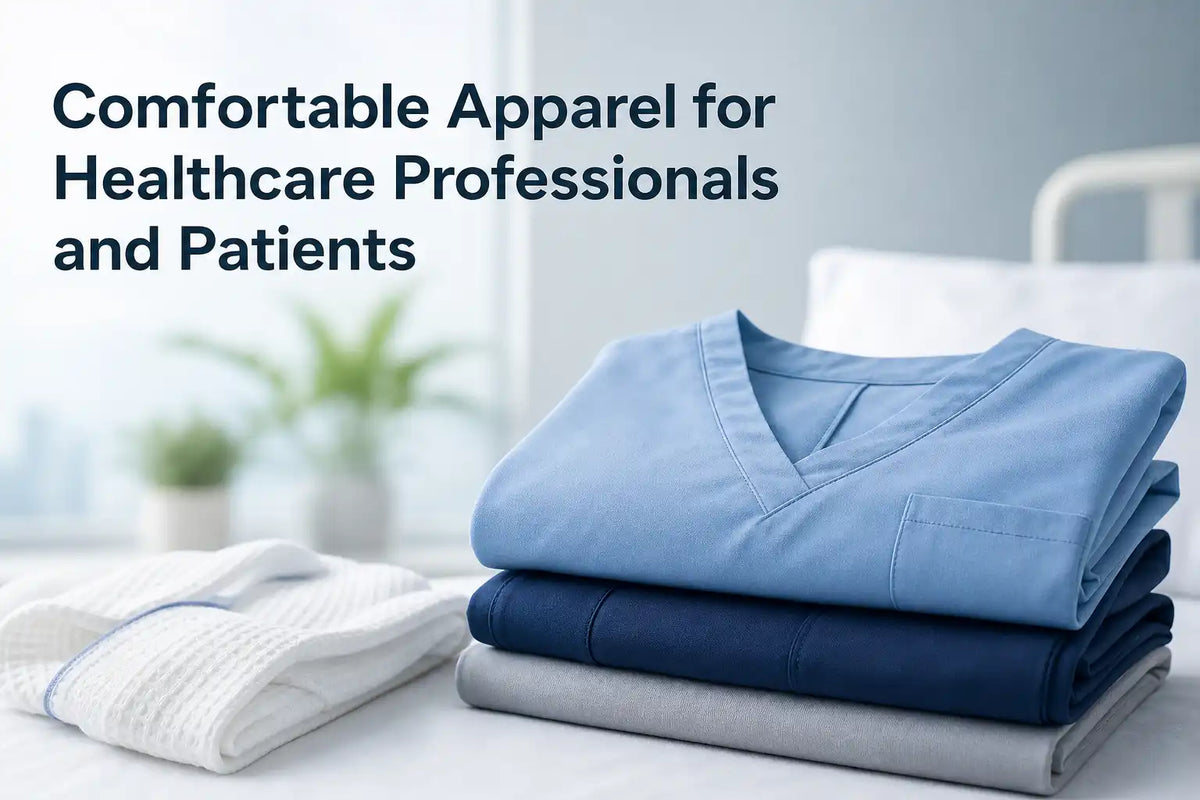
This article explores the vital role of comfort in healthcare apparel for both patient recovery and staff efficiency. Readers will learn about the key features to consider when selecting clothing, such as breathability and ease of movement, and how prioritizing comfort can lead to improved outcomes in medical settings. Additionally, the piece highlights quality brands and emerging trends that enhance the wearability of healthcare clothing.
Table of Contents
- The Importance of Comfort in Healthcare Apparel
- Key Features to Look for in Patient Apparel
- Breathable Fabrics
- Easy-to-Wear Designs
- Durability
- Staff Apparel: Balancing Comfort and Professionalism
- Importance of a Professional Appearance
- Flexibility in Design for Ease of Movement
- Compliance with OSHA Standards for Safety
- Highlighting Quality Brands in Healthcare Apparel
- Overview of Product Offerings that Meet Comfort Standards
- Case Studies: Comfort in Action
- Conclusion: The Future of Healthcare Apparel
Key Takeaways
- Comfort Enhances Recovery: Comfortable apparel significantly aids patient recovery by reducing anxiety and promoting relaxation.
- Boosts Staff Efficiency: Healthcare professionals perform better in clothing that allows for easy movement and breathability, especially in urgent care settings.
- Key Features for Patient Apparel: Prioritize breathable fabrics, easy-to-wear designs, and durability to ensure maximum comfort for patients.
- Professional Appearance Matters: Staff apparel should balance comfort and professionalism to instill confidence in patients.
- Compliance with Safety Standards: Ensure staff apparel meets OSHA standards to protect healthcare workers from hazards.
- Quality Brands are Essential: Choose reputable brands like Medline that prioritize comfort, functionality, and safety in their healthcare apparel.
- Future Trends: Emerging materials and technologies promise to enhance comfort through features like moisture-wicking and temperature regulation.
Comparison at a Glance
| Option | Best for | Strengths | Trade-offs |
|---|---|---|---|
| Medline Nolita AVE Women's Oversized Tunic Style Scrub Tops | Healthcare professionals | Roomy fit for comfort, breathability, professional appearance | May not fit all body types perfectly |
| Medline Psychiatric Patient Snap Pajama Tops | Patients with limited mobility | Easy to wear, snap closures for quick dressing | Limited design options available |
| Medline Muslin Flat Sheets | Patient bedding | Soft, durable, withstands frequent washing | May require special care to maintain softness |
| Medline Economy Hip Kits with Reachers | Patients needing mobility assistance | Includes tools for easier movement, promotes independence | Additional items may not be necessary for all patients |
In healthcare environments, the comfort of apparel plays a crucial role in both patient recovery and staff efficiency. Comfortable clothing not only enhances the healing process for patients but also allows healthcare professionals to perform their duties without distraction. This article delves into why comfort in healthcare apparel is essential and highlights key features to look for when selecting clothing for patients and staff.
The Importance of Comfort in Healthcare Apparel
Comfortable apparel can significantly enhance patient recovery. When patients feel comfortable in their clothing, they are often more relaxed, which can lead to reduced anxiety levels. This is especially important in medical settings where patients may already be feeling stressed or vulnerable. Comfortable clothing allows patients to focus on their recovery rather than on discomfort.

For healthcare staff, the right apparel boosts efficiency. When staff members wear clothing that allows for easy movement and breathability, they can perform their tasks more effectively. This is particularly vital in urgent care settings where quick responses are necessary. Additionally, comfortable clothing can reduce fatigue during long shifts, which is a common challenge in healthcare.
To evaluate the comfort of healthcare apparel, consider the following checklist:
- Is the fabric breathable and soft against the skin?
- Does the design allow for ease of movement?
- Are the garments easy to put on and take off?
- Can the clothing withstand frequent washing without losing shape or comfort?
Key Features to Look for in Patient Apparel
When selecting clothing for patients, several key features should be prioritized to ensure maximum comfort. These include:
Breathable Fabrics
Fabrics that allow for temperature regulation are essential. Breathable materials help maintain a comfortable body temperature, which is crucial for patient comfort, especially in fluctuating hospital environments.
Easy-to-Wear Designs
Patient apparel should feature designs that are easy to wear, promoting mobility. This includes garments that can be easily slipped on or have simple fastenings. For instance, Medline Psychiatric Patient Snap Pajama Tops are designed with snap closures, making them easy for patients to wear and remove.

Durability
Durability is another critical feature. Patient apparel needs to withstand frequent washing and wear without losing its comfort or integrity. For instance, Medline Muslin Flat Sheets are made from durable materials that can endure the rigors of healthcare settings while remaining comfortable for patients.

By prioritizing these features, healthcare facilities can ensure that their patient apparel supports comfort, mobility, and durability, ultimately contributing to better recovery outcomes and improved staff performance.
Staff Apparel: Balancing Comfort and Professionalism
In healthcare settings, staff apparel must serve a dual purpose: providing comfort for the healthcare professional while maintaining a professional appearance. This balance is critical not only for the staff's well-being but also for creating a reassuring environment for patients.
Importance of a Professional Appearance
A professional appearance instills confidence in patients. When healthcare professionals wear well-fitted and appropriate attire, it signals competence and care. This is particularly important in urgent care environments where patients may already be feeling anxious. Staff clothing should embody the values of the healthcare facility, reinforcing trust and professionalism.
Flexibility in Design for Ease of Movement
Comfortable apparel should allow for a full range of motion. Healthcare professionals often engage in activities that require bending, lifting, and reaching. Therefore, clothing designed with flexibility in mind enhances both comfort and efficiency in daily tasks. For instance, the Medline Nolita AVE Women's Oversized Tunic Style Scrub Tops with Notch Collar (Style 4806) offer a roomy fit that allows healthcare workers to perform their duties without restriction. The tunic style not only provides comfort but also maintains a polished look suitable for various healthcare settings.

Compliance with OSHA Standards for Safety
Healthcare professionals must also consider safety regulations. Apparel should comply with OSHA standards, ensuring that staff are protected while performing their duties. This is especially relevant in environments where exposure to chemicals or bodily fluids is a concern. Choosing uniforms that meet these standards is not just about compliance; it’s about safeguarding the health of staff members. Look for brands that prioritize OSHA-compliant PPE in their apparel offerings to ensure both comfort and safety.
Highlighting Quality Brands in Healthcare Apparel
When it comes to selecting healthcare apparel, the brand matters significantly. Quality brands not only focus on comfort and style but also prioritize functionality and safety. One standout in this area is Medline, a leader in healthcare supplies known for its commitment to quality and comfort.
Overview of Product Offerings that Meet Comfort Standards
Medline offers a variety of products that cater to the unique needs of healthcare professionals. For instance, the Medline Psychiatric Patient Snap Pajama Tops are designed for ease of wear, featuring snaps that make them simple to put on and take off, crucial for patients who may have limited mobility. This consideration for design enhances patient comfort while also assisting staff in their care routines.
Additionally, Medline's Muslin Flat Sheets provide essential comfort for patients during their stay, ensuring that bedding is both soft and durable, which is necessary for frequent laundering in medical settings.
Case Studies: Comfort in Action
In the world of healthcare, the impact of comfort on both patient recovery and staff performance cannot be overstated. Numerous case studies highlight how comfortable apparel plays a crucial role in improving outcomes in medical settings. For instance, patients wearing the Medline Nolita AVE Women's Oversized Tunic Style Scrub Tops report feeling more at ease during their hospital stays. The tunic's loose fit and breathable fabric allow for better movement and temperature regulation, which can significantly reduce anxiety levels. Patients in more comfortable clothing often express a greater sense of control over their environment, leading to faster recovery times.
Staff testimonials further reinforce the notion that comfortable uniforms can enhance efficiency. Healthcare professionals wearing Medline Psychiatric Patient Snap Pajama Tops find that their ability to assist patients is improved when they are not constrained by tight or unyielding clothing. The easy-to-wear design of these tops allows staff to move swiftly, which is crucial in urgent care environments where every second counts.
Statistical evidence also supports the correlation between comfort and patient satisfaction. Facilities that have adopted comfortable patient apparel, such as the Medline Muslin Flat Sheets, report higher satisfaction scores in post-discharge surveys. These sheets are not only soft and breathable but also durable enough to withstand frequent washing, ensuring that patients always have a comfortable experience during their stay.
Conclusion: The Future of Healthcare Apparel
As the healthcare industry continues to evolve, the importance of comfort in apparel remains paramount. Emerging trends suggest a growing focus on innovative materials that enhance the wearability of healthcare clothing. For example, the integration of moisture-wicking fabrics can keep both patients and staff comfortable throughout long shifts or extended hospital stays. Additionally, the use of technology in fabric production promises to further improve comfort levels, potentially incorporating features like temperature regulation and antimicrobial properties.
Healthcare facilities are encouraged to prioritize comfort in their apparel selections, as the benefits extend beyond mere aesthetics. A checklist for evaluating current apparel against future trends might include:
- Assess fabric types for breathability and stretch
- Evaluate designs for ease of movement and accessibility
- Consider durability for frequent laundering
- Incorporate feedback from staff and patients on comfort levels
By recognizing the link between comfort, recovery, and staff efficiency, healthcare providers can make informed decisions that ultimately lead to better health outcomes and increased satisfaction for all involved.
Also consider: Medline Economy Hip Kits with Reachers.
Frequently Asked Questions
1. Why is comfort important in healthcare apparel?
2. What key features should be considered when selecting patient apparel?
3. How does staff apparel impact healthcare professionals?
4. What role do quality brands play in healthcare apparel selection?
5. What future trends should healthcare facilities consider for apparel?
Glossary
| Term | Meaning |
|---|---|
| Comfort | State of physical ease and freedom from pain or constraint. |
| Breathable Fabrics | Materials that allow air circulation, enhancing comfort and temperature regulation. |
| Easy-to-Wear Designs | Garments that are simple to put on and remove, promoting mobility. |
| Durability | Ability of clothing to withstand wear and frequent washing without losing quality. |
| Professional Appearance | Attire that conveys competence and care, instilling confidence in patients. |
| Flexibility in Design | Clothing that allows a full range of motion for healthcare tasks. |
| OSHA Standards | Regulations ensuring safety and health in the workplace, including apparel compliance. |
| Patient Recovery | The process of healing and regaining health after illness or surgery. |
| Fatigue Reduction | Minimizing tiredness, especially during long shifts in healthcare settings. |
| Quality Brands | Companies recognized for their commitment to comfort, safety, and functionality. |