
Overview
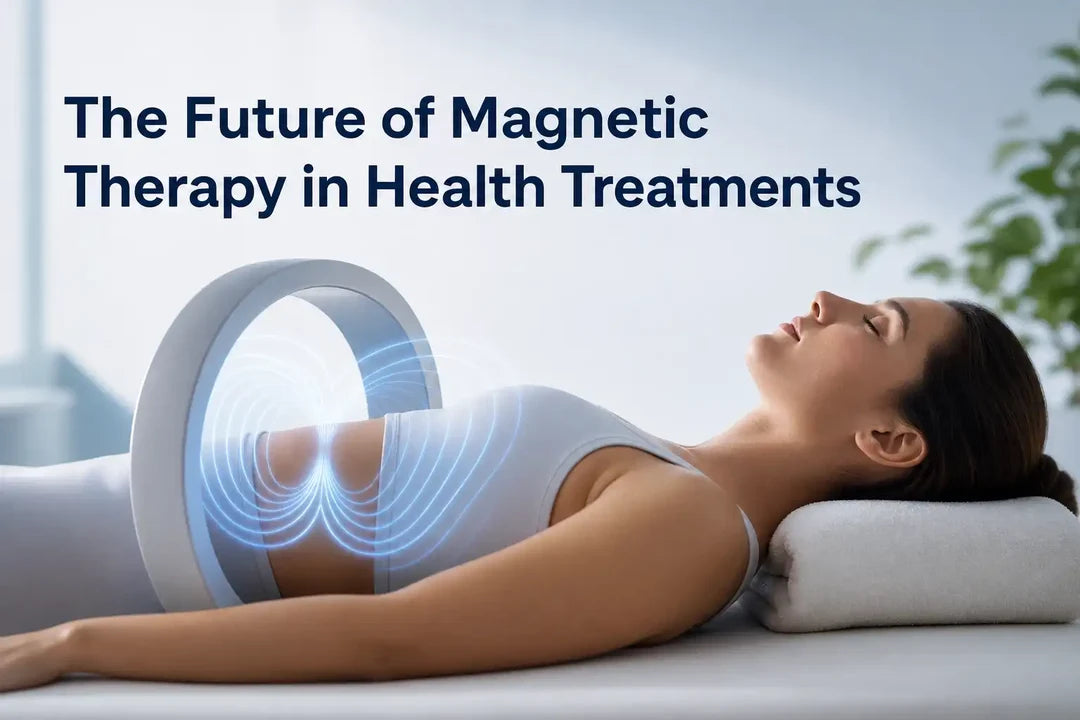
If you're exploring alternatives for pain management or healing, magnetic therapy may be worth considering. This non-invasive approach uses magnetic fields to enhance circulation and reduce inflammation, making it particularly beneficial for chronic pain and wound care. As research evolves, understanding its applications and effectiveness can help you make informed decisions about integrating this therapy into your healthcare regimen.
Table of Contents
- Introduction to Magnetic Therapy
- Scientific Basis of Magnetic Therapy
- Research Findings on Efficacy and Safety
- Comparison with Other Alternative Therapies
- Current Applications in Healthcare
- Applications in Pain Management and Wound Care
- Integration with Other Treatment Modalities
- Case Studies of Successful Outcomes
- Checklist of Conditions Where Magnetic Therapy is Currently Applied
- Future Trends in Magnetic Therapy
- Advancements in Magnetic Device Technology
- Potential for Personalized Magnetic Therapy Treatments
- Integration with Telehealth and Wearable Technologies
- Decision Rule for Evaluating New Magnetic Therapy Products
- Challenges and Considerations
- Regulatory Hurdles and Clinical Validation
- Public Perception and Acceptance of Alternative Therapies
- Cost Considerations for Healthcare Providers
- Conclusion and Future Outlook
- Recap of Benefits and Challenges
- Encouragement for Ongoing Research and Development
- Call to Action for Healthcare Professionals
Key Takeaways
- Historical Significance: Magnetic therapy has roots in ancient civilizations, evolving into a recognized alternative treatment in modern healthcare.
- Mechanism of Action: Magnetic fields enhance blood circulation and oxygen delivery, potentially reducing inflammation and pain at the cellular level.
- Current Applications: Widely used in pain management for conditions like arthritis and fibromyalgia, as well as in wound care for diabetic ulcers.
- Integration with Other Therapies: Often combined with physical therapy and other modalities to enhance recovery and pain relief.
- Challenges to Adoption: Regulatory hurdles, public skepticism, and cost considerations hinder broader acceptance of magnetic therapy in clinical settings.
- Future Trends: Advancements in technology and personalized treatment plans are expected to enhance the efficacy and accessibility of magnetic therapy.
- Ongoing Research: Continued studies are crucial for validating the effectiveness of magnetic therapy and integrating it into mainstream healthcare practices.
Introduction to Magnetic Therapy
Magnetic therapy, a practice with roots stretching back thousands of years, has gained recognition for its potential to alleviate pain and promote healing. This alternative therapy utilizes magnetic fields to influence bodily functions and has evolved into a significant approach in modern healthcare. From ancient civilizations employing magnets for healing to contemporary studies investigating their efficacy, the history of magnetic therapy is rich and continues to develop.
Today, magnetic therapy is primarily utilized in pain management and rehabilitation settings. Patients suffering from chronic pain, recovering from injuries, or dealing with inflammation often seek relief through this method. The underlying mechanism involves the interaction of magnetic fields with the body's biological processes, enhancing circulation and reducing inflammation, thereby supporting the body’s natural healing abilities.
To understand the evolution of magnetic therapy, consider this brief timeline:
- Ancient Times: The use of magnets for healing can be traced back to ancient Egypt and Greece.
- 19th Century: The advent of electromagnetism led to renewed interest in magnetic therapies.
- 20th Century: Research into the biological effects of magnetic fields began, paving the way for clinical applications.
- Present Day: Magnetic therapy is integrated into various treatment modalities, including rehabilitation and pain management.
Scientific Basis of Magnetic Therapy
The scientific foundation of magnetic therapy lies in its ability to affect cellular processes. Research indicates that exposure to magnetic fields can enhance blood flow and oxygen delivery to tissues, which is crucial for healing. This interaction occurs at the cellular level, where magnetic fields influence ion exchange and cellular metabolism, potentially leading to reduced inflammation and pain.
Research Findings on Efficacy and Safety
Numerous studies have investigated the efficacy of magnetic therapy, yielding mixed results. Some research supports its benefits in reducing pain and improving function in conditions like osteoarthritis and fibromyalgia. For instance, systematic reviews have found that magnetic therapy can provide significant pain relief for certain patients. However, other studies call for caution, citing the need for more rigorous clinical trials to validate these findings.
Comparison with Other Alternative Therapies
When evaluating magnetic therapy alongside other alternative treatments, it is essential to consider its unique benefits and limitations. For example, while acupuncture and chiropractic care focus on physical manipulation and energy flow, magnetic therapy relies on non-invasive magnetic fields. This distinction can make magnetic therapy more appealing to patients seeking a less intrusive option.
In summary, while the scientific understanding of magnetic therapy is still developing, its potential applications in healthcare are promising. As research continues to evolve, healthcare professionals must stay informed about the latest findings and integrate evidence-based practices into patient care. This will ensure that therapies, including magnetic therapy, are applied effectively and safely, ultimately enhancing patient outcomes.
Current Applications in Healthcare
Magnetic therapy has found its place in various clinical settings, primarily as a complementary treatment modality. Its applications are diverse, with a focus on pain management and wound care, making it a valuable tool for healthcare professionals.
Applications in Pain Management and Wound Care
One of the most recognized uses of magnetic therapy is in pain management. By utilizing magnetic fields, this therapy aims to alleviate discomfort associated with chronic pain conditions, such as arthritis and fibromyalgia. Additionally, magnetic therapy has shown promise in wound care, particularly for patients with slow-healing wounds, including those suffering from diabetes, where effective wound care products for diabetics are essential for preventing complications.
Clinical studies have indicated that magnetic therapy can enhance blood circulation, which is crucial for wound healing. Enhanced circulation leads to increased oxygen and nutrient delivery to the affected area, supporting the body's natural healing processes. This combination of pain relief and improved healing makes magnetic therapy a noteworthy option in patient care.
Integration with Other Treatment Modalities
Magnetic therapy is often integrated with other treatment modalities to enhance overall patient outcomes. For instance, it can be used alongside physical therapy, where practitioners may incorporate magnetic devices during rehabilitation exercises. This synergy not only aids in pain reduction but also facilitates quicker recovery times.
Moreover, the use of Drive Medical gel packs in conjunction with magnetic therapy can provide comprehensive care. The gel packs can be used for hot and cold therapy, addressing inflammation while magnetic therapy works to improve circulation and healing. This multi-faceted approach is particularly beneficial for patients recovering from surgery or managing chronic conditions.
Case Studies of Successful Outcomes
Several case studies have documented the positive outcomes associated with magnetic therapy. For example, a notable study involving patients with chronic lower back pain demonstrated significant improvements in pain levels and mobility after regular sessions of magnetic therapy. Patients reported a reduction in pain medication usage, indicating a shift towards more holistic treatment options.
In another case, patients with diabetic ulcers benefited from the application of magnetic therapy, resulting in faster healing times and fewer complications. These real-world examples underscore the potential of magnetic therapy as a viable treatment option within the healthcare landscape.
Checklist of Conditions Where Magnetic Therapy is Currently Applied
- Chronic pain (e.g., arthritis, back pain)
- Fibromyalgia
- Diabetic ulcers
- Sports injuries
- Post-surgical recovery
- Muscle tension and inflammation
Future Trends in Magnetic Therapy
As we look ahead, the field of magnetic therapy is poised for significant advancements. Emerging trends and technologies are likely to enhance its efficacy and broaden its applications in healthcare.
Advancements in Magnetic Device Technology
Recent innovations in magnetic device technology are making it easier and more effective to administer magnetic therapy. Newer devices are designed for increased portability and user-friendliness, allowing patients to engage in treatments at home. These advancements not only improve accessibility but also encourage adherence to therapy regimens.
Potential for Personalized Magnetic Therapy Treatments
Personalization is becoming a critical focus in healthcare, and magnetic therapy is no exception. Future developments may lead to personalized treatment plans based on individual patient needs and conditions. For instance, devices could be tailored to deliver specific magnetic field strengths and frequencies based on the type of pain or wound being treated. This level of customization could significantly enhance therapeutic outcomes.
Integration with Telehealth and Wearable Technologies
The ongoing integration of telehealth into healthcare practices presents exciting opportunities for magnetic therapy. Healthcare providers could remotely monitor patients using wearable devices that deliver magnetic therapy. This integration would allow for real-time adjustments to therapy based on patient feedback and progress, ensuring optimal care.
Decision Rule for Evaluating New Magnetic Therapy Products
As new magnetic therapy products enter the market, healthcare professionals should consider the following factors when evaluating their efficacy:
- Scientific evidence supporting the product’s claims
- Regulatory approvals and safety certifications
- User testimonials and clinical outcomes
- Compatibility with existing treatment protocols
- Cost-effectiveness and reimbursement options
By adhering to these guidelines, practitioners can make informed decisions about incorporating magnetic therapy into their patient care strategies, ensuring that they provide the most effective treatments possible.
Challenges and Considerations
As magnetic therapy gains traction as a viable alternative treatment option, several challenges must be addressed for its broader acceptance and implementation in healthcare settings. Understanding these hurdles is crucial for both practitioners and patients who are considering incorporating magnetic therapy into their treatment plans.
Regulatory Hurdles and Clinical Validation
One of the primary challenges facing magnetic therapy is the regulatory environment. Unlike conventional treatments, which are often backed by extensive clinical trials and regulatory approval, magnetic therapy lacks a robust framework of validation. This absence raises concerns about safety and efficacy among healthcare professionals.
In the United States, the Food and Drug Administration (FDA) classifies devices that use magnetic fields based on their intended use. Some magnetic therapy devices are classified as Class II, requiring pre-market notification, while others may fall under Class I, which have less stringent regulations. This inconsistency can lead to varying levels of trust among practitioners and patients.
To overcome these hurdles, rigorous clinical trials are essential. These studies should focus on specific conditions and outcomes, helping to establish a solid evidence base for magnetic therapy's effectiveness. Healthcare providers should look for peer-reviewed research and clinical guidelines before recommending such therapies.
Public Perception and Acceptance of Alternative Therapies
The acceptance of magnetic therapy as a legitimate treatment modality is also influenced by public perception. Many patients remain skeptical about alternative therapies, often viewing them as unproven or lacking scientific backing. This skepticism can hinder patient willingness to explore magnetic therapy options.
To foster acceptance, education is key. Healthcare professionals should engage in open discussions with patients about the potential benefits and risks of magnetic therapy. Providing clear, evidence-based information can help demystify the therapy and encourage patients to consider it as part of a holistic treatment approach.
Cost Considerations for Healthcare Providers
Another significant challenge is the cost associated with implementing magnetic therapy in clinical settings. While some magnetic devices may be affordable, others can be prohibitively expensive, particularly for small practices. Additionally, the lack of insurance coverage for alternative therapies can deter both providers and patients from pursuing magnetic therapy.
Healthcare providers must weigh the potential benefits of magnetic therapy against the costs involved. Consideration should be given to the long-term benefits it might offer, such as reduced reliance on pain medications and improved patient outcomes. A thorough cost-benefit analysis can help practitioners make informed decisions about integrating magnetic therapy into their services.
Ultimately, practitioners should also consider the availability of complementary tools, such as Drive Medical gel packs, which can enhance the effectiveness of magnetic therapy. These products may provide additional therapeutic benefits, especially in pain management and recovery scenarios.
Conclusion and Future Outlook
The future of magnetic therapy in health treatments appears promising, with ongoing research and technological advancements paving the way for its integration into mainstream healthcare. As the body of evidence grows, so too will the opportunities for practitioners and patients to harness this innovative therapy.
Recap of Benefits and Challenges
Magnetic therapy offers a range of potential benefits, particularly in pain management and rehabilitation. However, challenges such as regulatory hurdles, public skepticism, and cost considerations must be addressed to facilitate its adoption. By focusing on clinical validation and patient education, healthcare providers can help bridge the gap between traditional and alternative treatment modalities.
Encouragement for Ongoing Research and Development
Ongoing research is vital for uncovering the full potential of magnetic therapy. As new studies emerge, they will contribute to a deeper understanding of its mechanisms and effectiveness. Healthcare professionals are encouraged to remain informed about the latest findings and advancements in magnetic therapy, ensuring they provide their patients with the most up-to-date information.
Call to Action for Healthcare Professionals
Healthcare professionals should actively engage in discussions about magnetic therapy with their patients, emphasizing its potential benefits while also addressing any concerns. By fostering an open dialogue, practitioners can help patients navigate their treatment options more effectively. Additionally, consider exploring resources such as clinical studies and educational materials to enhance your understanding of magnetic therapy.
As the landscape of healthcare continues to evolve, embracing innovative therapies like magnetic therapy can lead to improved patient outcomes and satisfaction. Together, healthcare providers and patients can explore these new frontiers in health treatments, paving the way for a more holistic approach to wellness.
For further reading on magnetic therapy and its applications, consider exploring resources from reputable medical journals and professional organizations that specialize in alternative therapies. Staying informed will empower both practitioners and patients to make educated decisions about their health and treatment options.
Frequently Asked Questions
1. What is magnetic therapy?
2. What conditions can magnetic therapy help with?
3. How does magnetic therapy work?
4. What are the current trends in magnetic therapy?
5. What challenges does magnetic therapy face in healthcare?
Glossary
| Term | Meaning |
|---|---|
| Magnetic Therapy | A treatment method using magnetic fields to alleviate pain and promote healing. |
| Electromagnetism | The branch of physics that studies the interaction between electric charges and magnetic fields. |
| Chronic Pain | Persistent pain lasting longer than three months, often difficult to manage. |
| Inflammation | The body's response to injury or infection, often causing redness, swelling, and pain. |
| Clinical Trials | Research studies that test new treatments for safety and effectiveness in humans. |
| Personalized Treatment | Customizing therapy based on individual patient needs and conditions. |
| Telehealth | Remote healthcare services using technology to connect patients and providers. |
| Case Studies | Detailed reports of specific patient cases to illustrate treatment outcomes. |
| Regulatory Approval | Official permission for a treatment or device to be used based on safety and efficacy. |
| Complementary Therapy | Additional treatments used alongside primary therapies to enhance overall care. |
Linked Product

Drive Medical Comfort Touch Hot/Cold Replacement Gel Packs, Pack of 3
The Drive Medical Comfort Touch Hot/Cold Replacement Gel Packs offer targeted relief for muscle inflammation and tension, making them an ideal addition to your therapeutic routine. Designed for use with the Comfort Touch Neck Support Pillow, these reusable gel packs provide the flexibility of hot or cold therapy to help alleviate discomfort. Each pack is easy to use, simply heated in the microwave or chilled in the refrigerator, and comes in a convenient set of three.
View Product