
Overview
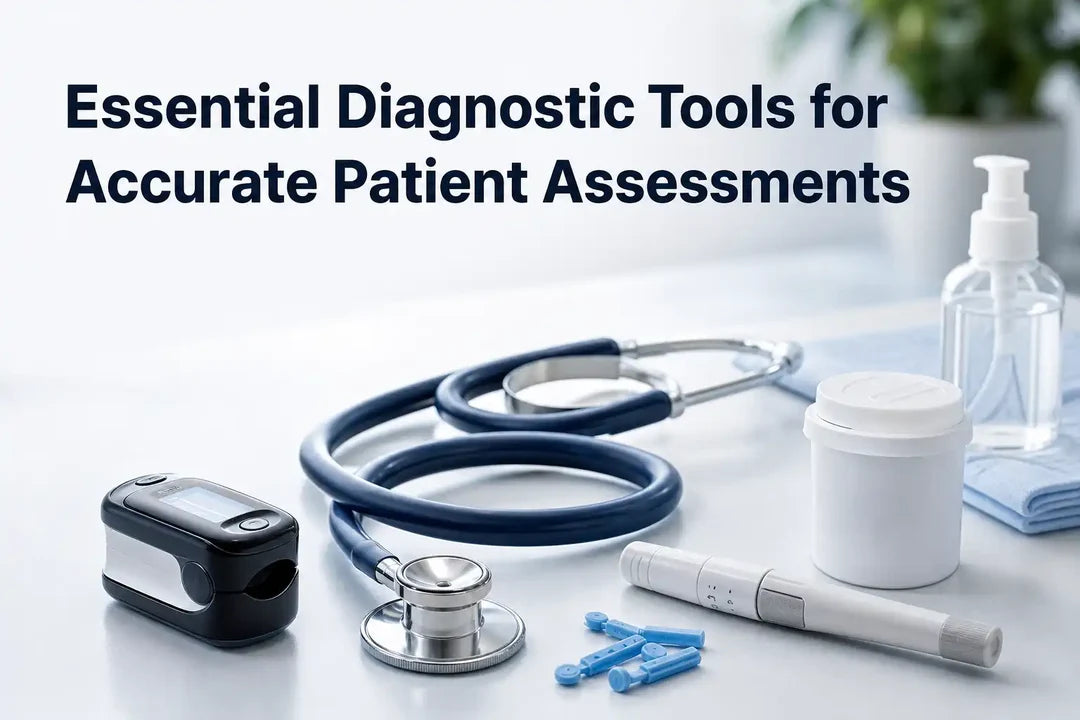
In healthcare, accurate assessments hinge on reliable diagnostic tools that enhance patient care and treatment outcomes. Essential instruments like stethoscopes, safety lancets, and pulse oximeters not only facilitate early detection but also ensure timely interventions. This guide provides practical insights for healthcare professionals on selecting and maintaining these critical tools to optimize patient assessments and safety.
Table of Contents
- Understanding the Importance of Diagnostic Tools
- Stethoscopes: The Cornerstone of Patient Assessment
- Safety Lancets: Ensuring Accurate Glucose Testing
- Pulse Oximeters: Monitoring Oxygen Levels Effectively
- Cleaning and Maintenance of Diagnostic Equipment
- Eco-Friendly Options in Diagnostic Tools
- Conclusion: The Future of Diagnostic Tools
Key Takeaways
- Accurate Assessments: Reliable diagnostic tools are crucial for enhancing patient care and treatment outcomes.
- Essential Tools: Key diagnostic tools include stethoscopes, pulse oximeters, safety lancets, blood pressure monitors, and thermometers.
- Stethoscope Selection: Choose stethoscopes based on patient age and specific needs for optimal sound quality.
- Safety Lancets: Medline Side Button Safety Lancets minimize cross-contamination risks and ensure accurate glucose testing.
- Pulse Oximeter Use: Regular monitoring with pulse oximeters is vital for patients with chronic respiratory conditions.
- Cleaning Protocols: Implementing thorough cleaning routines extends the lifespan of diagnostic tools and safeguards patient safety.
- Sustainability Focus: Eco-friendly diagnostic tools and cleaning products promote health and reduce environmental impact in healthcare settings.
Comparison at a Glance
| Option | Best for | Strengths | Trade-offs |
|---|---|---|---|
| Medline Elite Stainless Steel Neonatal Stethoscopes | Neonatal patients | High-quality sound transmission, durable design | May not be suitable for adult assessments |
| Medline Side Button Safety Lancets | Glucose testing | Minimizes cross-contamination, user-friendly | Single-use may lead to higher costs |
| Medline Fingertip Pulse Oximeter | Monitoring oxygen levels | Real-time readings, accommodates various finger sizes | Requires regular battery replacement |
| Medline Multi-Surface Glass Cleaner | Cleaning diagnostic tools | Eco-friendly, effective on multiple surfaces | Requires dilution for use, may not be as potent as traditional cleaners |
Accurate assessments are critical in healthcare, directly impacting patient care and treatment outcomes. Reliable diagnostic tools enhance the quality of evaluations and play a significant role in early detection and timely intervention. This article explores essential diagnostic tools, focusing on stethoscopes, safety lancets, pulse oximeters, and cleaning supplies, while providing practical guidance for healthcare professionals.
Understanding the Importance of Diagnostic Tools
Diagnostic tools are vital in healthcare settings, facilitating accurate assessments and aiding in the early detection of medical conditions. These tools range from simple instruments like stethoscopes to more complex devices such as pulse oximeters and glucose testing lancets. Each tool serves a unique purpose in patient care, helping clinicians make informed decisions that significantly impact patient outcomes.
Here’s a checklist of essential diagnostic tools critical for healthcare settings:
- Stethoscopes
- Pulse Oximeters
- Safety Lancets
- Blood Pressure Monitors
- Thermometers
Stethoscopes: The Cornerstone of Patient Assessment
Stethoscopes are fundamental for patient assessment, crucial for auscultation, which allows healthcare professionals to listen to internal sounds of a patient’s body, such as heartbeats and lung sounds. The quality of the stethoscope can significantly affect the accuracy of these assessments.
The Medline Elite Stainless Steel Neonatal Stethoscopes exemplify high-quality tools designed specifically for neonatal patients. Crafted from high tensile-strength stainless steel, these stethoscopes feature durable 22" tubing and a pediatric bell, ensuring accurate and clear auscultation, which is vital for treating the most sensitive patients. The non-chill ring provides added comfort, promoting a better experience during examinations.

When selecting a stethoscope, consider the age and specific needs of your patients. Pediatric stethoscopes, like the Medline Elite model, are designed for infants and children, while adult models offer larger bells for more robust sound transmission. Features such as dual tubing and diaphragm size can impact sound quality, making it crucial to choose a stethoscope that aligns with your clinical requirements.
Safety Lancets: Ensuring Accurate Glucose Testing
Safety lancets are essential for accurate glucose testing while prioritizing patient safety. The Medline Side Button Safety Lancets address common concerns associated with traditional lancets, such as cross-contamination and user error.

These safety lancets feature a side-button activation mechanism. To use them effectively, follow this step-by-step guide:
- Prepare the Site: Select a clean, dry area on the fingertip for testing.
- Activate the Lancet: Firmly place the lancet on the chosen site and push the side button to activate it. This action triggers a quick, gentle puncture.
- Retract and Lock: Once activated, the needle retracts automatically and locks in place, significantly reducing the risk of accidental finger sticks.
- Dispose Safely: After use, dispose of the lancet in a proper sharps container to maintain safety standards.
The Medline Side Button Safety Lancets minimize the risk of cross-contamination, as they cannot be reloaded or reused. This feature is particularly important in clinical settings where maintaining sterility is critical. Moreover, the controlled penetration depth ensures a quick and gentle puncture, making glucose testing more comfortable for patients.
Pulse Oximeters: Monitoring Oxygen Levels Effectively
Pulse oximeters are essential tools for monitoring a patient’s oxygen levels, particularly for those with chronic respiratory conditions. The Medline Fingertip Pulse Oximeter offers a reliable, non-intrusive method to measure blood oxygen saturation and pulse rate.

This device operates by placing a finger in the oximeter, which uses light beams to detect changes in blood volume and oxygen levels. Key features include:
- Four Display Modes: The oximeter provides real-time readings of SpO2, pulse rate, and a pulse bar for easy monitoring.
- Wide Compatibility: It accommodates a range of finger sizes, making it versatile for different patients.
- Automatic Features: The dual-color display rotates for optimal viewing, and a low-battery indicator alerts users when it's time to recharge.
Regular monitoring with a pulse oximeter is vital for patients with conditions like COPD or asthma. It helps identify fluctuations in oxygen levels, allowing for timely medical intervention. For instance, a patient experiencing shortness of breath may use the oximeter to check their SpO2 levels before contacting their healthcare provider, enhancing patient outcomes.
Cleaning and Maintenance of Diagnostic Equipment
Maintaining cleanliness is crucial for ensuring the longevity and effectiveness of diagnostic tools. Regular cleaning protocols help prevent cross-contamination, safeguard patient safety, and extend the lifespan of the equipment. Healthcare professionals must prioritize hygiene practices while using diagnostic equipment, especially in clinical settings where patient interactions are frequent.
One effective solution for maintaining cleanliness is the Medline Multi-Surface Glass Cleaner. This cleaner provides a streak-free finish on glass and reflective surfaces, as well as stainless steel, making it versatile for various diagnostic tools and environments.

Key features of this cleaner include:
- Non-ammoniated formula with a fresh fragrance
- Designed for a 1:64 dilution, making it cost-effective
- Compliant with Medline's Green Product Standards, promoting eco-friendliness
Implementing a thorough cleaning routine using effective products can significantly impact patient safety and the longevity of diagnostic equipment. A simple checklist for cleaning and maintaining diagnostic tools includes:
- Wipe down surfaces with approved cleaning solutions after each use.
- Inspect equipment for any signs of damage or wear.
- Store tools in a clean, dry environment to prevent contamination.
- Regularly replace any disposable components as necessary.
Eco-Friendly Options in Diagnostic Tools
As the healthcare industry increasingly focuses on sustainability, eco-friendly options for diagnostic tools and cleaning supplies are gaining traction. The importance of sustainability extends beyond environmental benefits; it also enhances the overall safety and health of patients and healthcare workers.
Medline's commitment to eco-friendly practices is evident through their green product standards. Utilizing products that meet these standards, such as the Medline Multi-Surface Glass Cleaner, allows healthcare facilities to reduce their environmental footprint while maintaining high levels of cleanliness and hygiene.
When considering cleaning products, it’s essential to compare traditional options with eco-friendly alternatives. Traditional cleaners often contain harsh chemicals that can be harmful to both users and patients, while eco-friendly products typically utilize safer ingredients that minimize health risks.
| Feature | Traditional Cleaners | Eco-Friendly Cleaners |
|---|---|---|
| Chemical Composition | Harsh chemicals | Natural ingredients |
| Health Impact | Potential irritants | Safer for users |
| Environmental Impact | Pollutants | Biodegradable |
Conclusion: The Future of Diagnostic Tools
Reliable diagnostic tools are essential for effective patient care, and their evolution continues to shape healthcare practices. As technology advances, the need for innovative diagnostic equipment will only grow. Healthcare professionals must stay informed about emerging tools and prioritize quality in their selections to ensure optimal patient outcomes.
Incorporating eco-friendly products into healthcare settings not only supports sustainability but also aligns with holistic healthcare principles. The integration of cutting-edge diagnostic tools and sustainable practices will play a crucial role in enhancing the quality of care and patient safety.
Ultimately, the selection of diagnostic tools should consider both current needs and future trends in healthcare. By choosing reliable, high-quality equipment and maintaining rigorous cleaning protocols, healthcare professionals can significantly contribute to improved patient assessments and outcomes.
Frequently Asked Questions
1. Why are accurate assessments important in healthcare?
2. What are some essential diagnostic tools mentioned in the article?
3. How do safety lancets ensure accurate glucose testing?
4. What is the role of pulse oximeters in patient care?
5. Why is cleaning and maintenance of diagnostic equipment important?
Glossary
| Term | Meaning |
|---|---|
| Stethoscope | A tool used for auscultation to listen to internal sounds of the body. |
| Safety Lancet | A device for glucose testing that minimizes cross-contamination risks. |
| Pulse Oximeter | A non-intrusive device that measures blood oxygen saturation and pulse rate. |
| Blood Pressure Monitor | An instrument used to measure blood pressure levels in patients. |
| Thermometer | A device for measuring body temperature. |
| Cleaning Protocols | Standard procedures for maintaining the cleanliness of diagnostic tools. |
| Eco-Friendly Products | Cleaning supplies that use natural ingredients and reduce environmental impact. |
| Cross-Contamination | The transfer of harmful bacteria or substances from one surface to another. |
| Auscultation | The act of listening to internal body sounds for medical assessment. |
| Patient Outcomes | The results of healthcare interventions on a patient's health status. |