
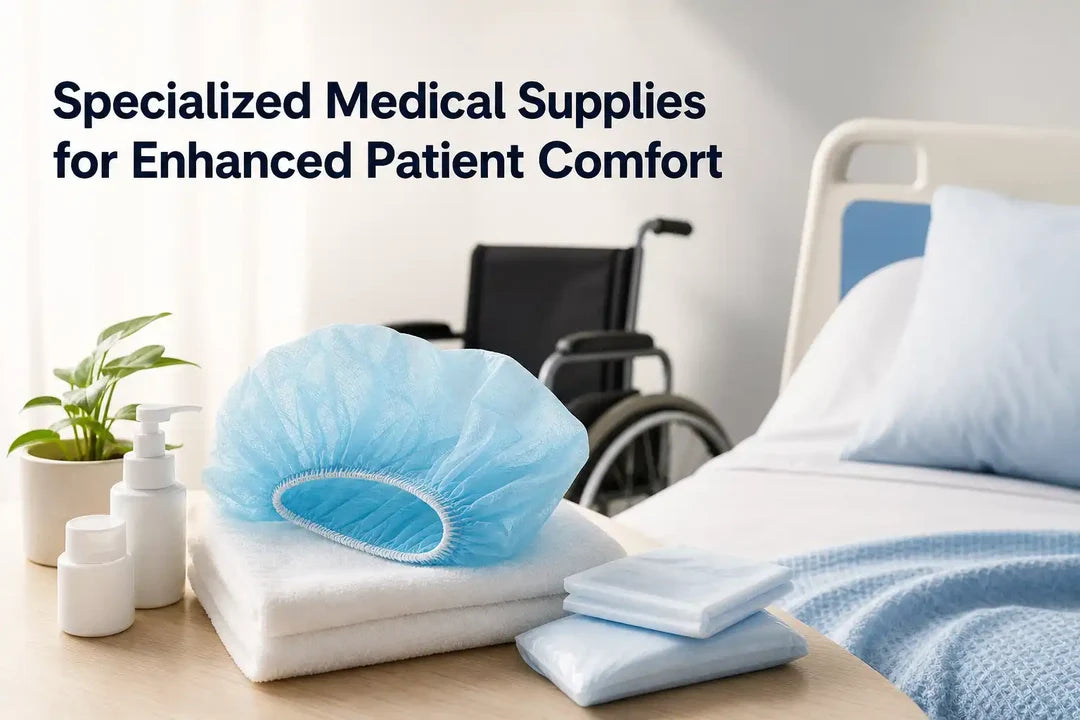
Overview
Patient comfort directly influences recovery and satisfaction in healthcare settings. By prioritizing hygiene products and mobility aids, providers can create a more supportive environment that enhances patient experiences. Understanding the balance between safety and comfort, especially through the use of disposable items and ergonomic designs, is essential for fostering effective care and promoting healing.
Table of Contents
- Understanding Patient Comfort in Healthcare
- The Role of Hygiene in Patient Comfort
- Spotlight on Medline Disposable Shower Caps
- Mobility Aids for Enhanced Patient Comfort
- Types of Mobility Aids
- PPE Supplies: Ensuring Safety and Comfort
- Types of PPE Supplies Commonly Used in Healthcare
- Impact of PPE on Patient Perception of Safety
- Balancing Comfort and Protection in PPE Selection
- Conclusion: The Future of Patient Comfort
Key Takeaways
- Patient comfort is essential for effective healthcare, influencing recovery and overall satisfaction.
- Hygiene products like soaps, sanitizers, and disposable items significantly enhance patient comfort and safety.
- Disposable hygiene products, such as Medline Disposable Shower Caps, reduce infection risk and improve patient experiences.
- Mobility aids are crucial for enhancing comfort and independence, particularly for seniors and those with chronic conditions.
- Personal Protective Equipment (PPE) should balance safety and comfort to foster a positive healthcare experience.
- Assessing patient needs is vital when selecting hygiene products and mobility aids to ensure optimal comfort.
- Future trends in healthcare will focus on sustainable and ergonomic designs to further enhance patient comfort.
Comparison at a Glance
| Option | Best for | Strengths | Trade-offs |
|---|---|---|---|
| Medline Disposable Shower Caps | Patients needing hygiene during care | Single-use, reduces cross-contamination, secure fit | Less sustainable than reusable options |
| Reusable Shower Caps | Patients seeking eco-friendly options | Sustainable, cost-effective over time | Requires laundering, potential for cross-contamination |
| Walkers | Seniors or those with mobility issues | Provides stability and confidence while walking | Can be cumbersome in tight spaces |
| Canes | Patients needing minimal support | Lightweight, easy to use | Limited support compared to walkers or wheelchairs |
| Personal Protective Equipment (PPE) | Healthcare providers ensuring safety | Protects against infection, enhances patient trust | Can be uncomfortable or restrictive |
Patient comfort is a critical component of effective healthcare, influencing recovery and overall satisfaction. This article explores various aspects of patient comfort, focusing on hygiene products and their role in enhancing care quality. Understanding these elements can help healthcare providers create a more comfortable environment for their patients.
Understanding Patient Comfort in Healthcare
Defining patient comfort involves recognizing its importance in recovery and overall satisfaction. Factors contributing to patient comfort include physical surroundings, emotional support, and personal hygiene. Healthcare providers play a pivotal role in ensuring that patients feel at ease, which can significantly impact their healing process.
Here’s a checklist to assess patient comfort levels:
- Evaluate room temperature and noise levels.
- Ensure that patients have access to personal hygiene products.
- Provide emotional support through attentive communication.
- Assess the comfort of bedding and seating arrangements.
- Inquire about pain levels and address them promptly.
The Role of Hygiene in Patient Comfort
Maintaining high hygiene standards is essential for patient comfort and safety. There is a clear connection between hygiene and patient satisfaction; patients who feel clean and well-cared-for are more likely to report positive experiences. Hygiene products, such as soaps, sanitizers, and disposable items, play a crucial role in this aspect.
Disposable products, in particular, have a significant impact on infection control. They reduce the risk of cross-contamination, which is vital in healthcare settings where patients may have compromised immune systems. One notable product in this category is the Medline Disposable Shower Caps. These single-use caps provide a hygienic solution for patients who need to maintain cleanliness during their care.

These shower caps feature a clear elastic band for a secure fit and are designed to be less noticeable, helping patients feel more at ease. The convenience of a disposable product allows healthcare providers to manage hygiene easily without the extensive cleaning protocols associated with reusable items.
When considering hygiene products, a comparison between disposable and reusable options can be insightful. While reusable products may seem more sustainable, disposable items often offer superior hygiene and convenience, especially in acute care settings. Providers must weigh these factors when selecting products to ensure they meet both safety and comfort needs.
Spotlight on Medline Disposable Shower Caps
The Medline Disposable Shower Caps are designed to enhance patient hygiene and comfort during bathing or showering. Constructed from clear plastic, these single-use caps are functional and unobtrusive. With an elastic band that holds securely in place, they fit most head sizes, making them a versatile choice for healthcare settings.
Using disposable shower caps in patient care offers several benefits. First, they help in infection prevention by reducing the risk of cross-contamination. In environments where hygiene is paramount, such as hospitals or nursing homes, these caps can be a small yet significant part of maintaining cleanliness. Moreover, the convenience of a single-use design means that caregivers can quickly provide a fresh cap without the need for laundering, which is a considerable time-saver.
To maximize the effectiveness of shower caps in a healthcare setting, follow these steps:
- Assess Patient Needs: Consider the patient's mobility and comfort level when determining if a shower cap is necessary.
- Provide Instruction: Explain to the patient how to wear the cap properly to ensure it fits well and remains in place.
- Monitor During Use: Keep an eye on the patient while they bathe or shower to ensure they are comfortable and safe.
- Dispose Properly: After use, dispose of the cap in a designated waste bin to maintain hygiene standards.
Mobility Aids for Enhanced Patient Comfort
Mobility aids play a crucial role in enhancing patient comfort, particularly for seniors and individuals with chronic conditions. These aids assist in movement and contribute significantly to a patient's independence and overall satisfaction with their care. Various types of mobility aids are available, each designed to cater to specific needs.
Types of Mobility Aids
- Walkers: Ideal for patients needing support while walking, providing stability and confidence.
- Canes: A simple yet effective tool that offers balance and support for those who require minimal assistance.
- Wheelchairs: Essential for patients with severe mobility restrictions, allowing them to move freely within their environment.
- Rollators: A combination of a walker and seat, offering both support and a resting place for individuals who may tire easily.
Each type of mobility aid serves a distinct purpose, and selecting the right one can significantly impact a patient's comfort. When choosing a mobility aid, consider the following:
- Assess Mobility Level: Understand the patient's ability to walk or stand unaided.
- Evaluate Environment: Consider the patient's living space and whether it accommodates the chosen mobility aid.
- Look for Features: Choose aids with adjustable heights, lightweight frames, and ergonomic grips to ensure ease of use.
By prioritizing the right mobility aids, caregivers can enhance patient comfort and promote a sense of independence. This not only improves the quality of life for patients but also fosters a more positive healthcare experience overall.
PPE Supplies: Ensuring Safety and Comfort
Personal Protective Equipment (PPE) plays a crucial role in healthcare settings, particularly in maintaining a safe environment for both patients and healthcare providers. While the primary function of PPE is to protect against infection and contamination, its impact on patient comfort should not be overlooked. A well-chosen PPE can enhance the overall healthcare experience by balancing safety with comfort.
Types of PPE Supplies Commonly Used in Healthcare
Healthcare facilities utilize various types of PPE to ensure the safety of patients and staff. Here’s a brief overview of the most common PPE supplies:
- Face Masks: Essential for preventing the spread of respiratory droplets.
- Gloves: Protect against direct contact with bodily fluids and contaminants.
- Gowns: Provide a barrier to protect clothing and skin during patient care.
- Face Shields: Offer additional protection for the face, particularly in high-risk areas.
Each type of PPE has its specific use case, and selecting the appropriate gear can significantly affect how patients perceive their safety in a healthcare environment.
Impact of PPE on Patient Perception of Safety
Patients often feel more secure when they see healthcare providers wearing appropriate PPE. This visible commitment to safety can enhance their overall comfort and trust in the care they receive. However, it’s important to balance the protective benefits of PPE with the comfort needs of patients. For instance, overly bulky or restrictive PPE may make healthcare providers less approachable, potentially increasing patient anxiety.
Balancing Comfort and Protection in PPE Selection
Choosing the right PPE requires careful consideration of both safety and comfort. Here are some factors that can help healthcare providers select the most suitable PPE:
- Material: Opt for breathable fabrics that allow for airflow while still providing adequate protection.
- Fit: Ensure that PPE fits well to avoid discomfort while working and interacting with patients.
- Type of Care: Different procedures may require specific types of PPE; assess the situation to determine the best options.
By prioritizing both safety and comfort in PPE selection, healthcare providers can create a more positive experience for their patients, ultimately leading to better outcomes.
Conclusion: The Future of Patient Comfort
As the healthcare landscape continues to evolve, the importance of specialized medical supplies in enhancing patient comfort cannot be overstated. From hygiene products like the Medline Disposable Shower Caps to various PPE supplies, each item plays a vital role in patient care.
Looking ahead, several trends in medical supplies may further improve patient comfort:
- Increased emphasis on ergonomic designs in mobility aids and PPE.
- Development of more sustainable and comfortable disposable products.
- Enhanced training for healthcare providers on the importance of comfort alongside care.
Healthcare providers are encouraged to prioritize comfort in their supply choices. Implementing these specialized products can significantly enhance patient satisfaction and promote a healing environment. By focusing on the intersection of safety and comfort, the future of patient care looks promising, with the potential for improved recovery experiences across the board.
Frequently Asked Questions
1. Why is patient comfort important in healthcare?
2. What factors contribute to patient comfort?
3. How do hygiene products enhance patient comfort?
4. What are some examples of mobility aids?
5. What role does PPE play in patient comfort?
Glossary
| Term | Meaning |
|---|---|
| Patient Comfort | The overall ease and well-being of a patient during care. |
| Hygiene Products | Items used to maintain cleanliness and prevent infection. |
| Disposable Products | Single-use items that minimize contamination risk. |
| Mobility Aids | Devices that assist patients in moving independently. |
| PPE (Personal Protective Equipment) | Gear designed to protect healthcare workers and patients from infection. |
| Medline Disposable Shower Caps | Single-use caps that enhance hygiene during bathing. |
| Infection Control | Practices aimed at preventing the spread of infections. |
| Emotional Support | Psychological assistance provided to patients to enhance comfort. |
| Ergonomic Design | A design approach that prioritizes user comfort and efficiency. |
| Cross-Contamination | The transfer of harmful substances from one surface or person to another. |